Forging his own path in cybersecurity
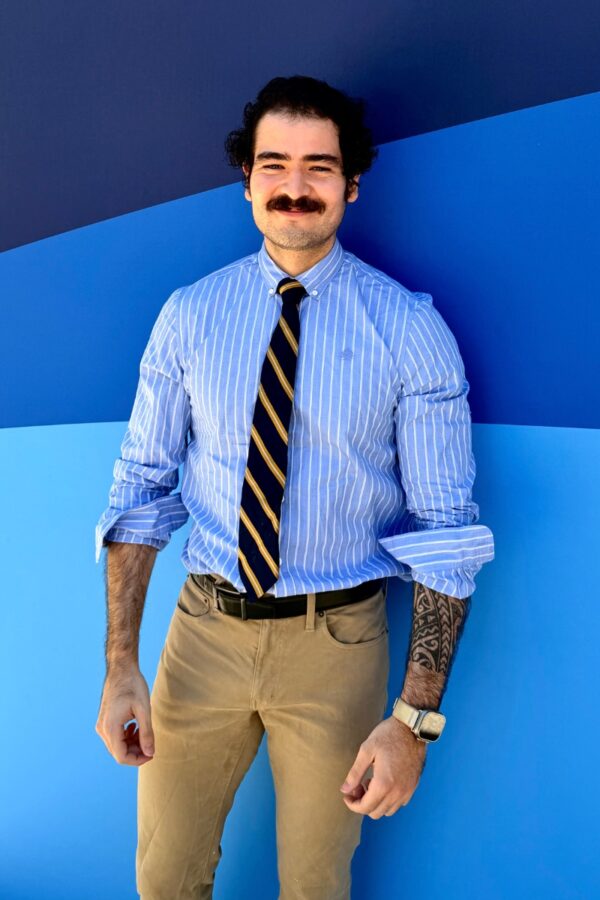
For graduating Senior Bruno Marroquin (CSSE: IAC), completing his bachelor’s degree represents a significant journey that is both educational and personal.
Recently graduated this summer, Marroquin first came to the Computer Science & Software Engineering program looking to study a field that connects computer science, software engineering, problem-solving and real-world technology.
“UW Bothell also felt like a place where I could continue to grow as a student while building skills that align with my long-term goals in AI, cybersecurity, accessibility and health technology,” he said.
His curiosity in CSSE began with his family. At a young age, he played complex video games like StarCraft and World of Warcraft. He also built computers with his brothers at age 10.
He wanted to learn how software can be used to build tools that help people in real life, like how software is used to power the cochlear implants that help him hear.
Overcoming community barriers
Growing up deaf in Mexico, Marroquin received his right cochlear implant at five years old and his left cochlear implant at age 10.
“My mom chose a difficult path for me, and I went through school with hearing people and never learned sign language or experienced the Deaf community,” he said. “Because I did not grow up connected to the Deaf community or sign language, I faced social and language barriers in a different way. But she never held me back; she helped me find every way possible to communicate and move forward.”
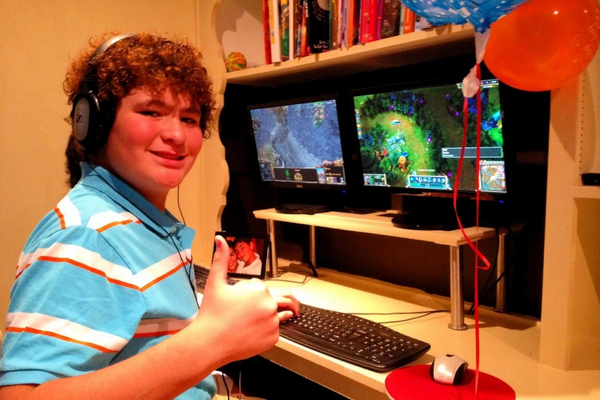
When attending school with hearing students in the United States for the first time, he taught himself to read lips, body language and facial expressions to better understand people. Without other Deaf peers, he learned to navigate new environments independently and advocate for his own needs.
“At first, I felt overwhelmed because everyone communicated so naturally. They talked with each other, helped one another, and shared fun moments,” Marroquin said. “It was a completely different experience from the schools I had attended before.”
“I know every deaf person’s journey is different, but for me, growing up in a hearing academic environment, using cochlear implants, learning to lip-read and developing my own ways of communicating helped me move toward the goals I have today.”
Consistency in learning
Marrquin is among the first Deaf students, based on available data, to complete the Information Assurance & Cybersecurity option within CSSE. To stay on top of his coursework, he came up with his own methods of learning material.
“I often rely on self-study, visual learning, repetition, written notes, captions when available and breaking complex topics into smaller pieces,” he said. “This has helped me become more disciplined and reflective as a learner.”
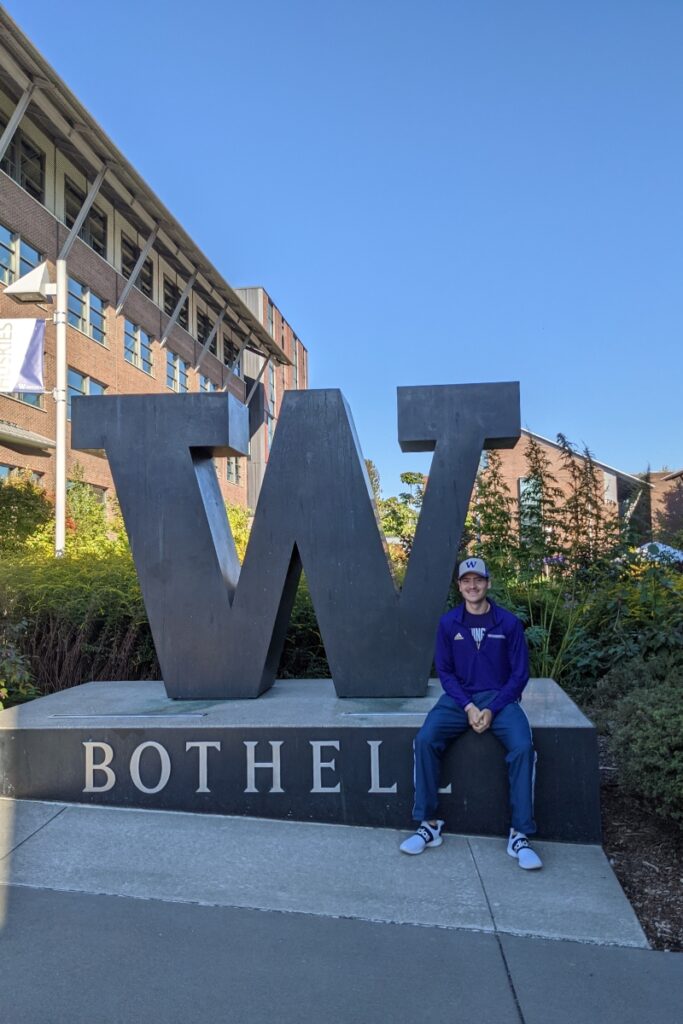
He also mentioned how UW Bothell supported access to his learning.
“Having access to course materials, project guidance, and supportive instructors has helped me continue moving forward,” he said.
For Marroquin, the academic environment at UW Bothell works especially well when materials are clear, organized, and available for review outside of class. “This is very helpful for me because I can go back, study at my own pace and process information more deeply,” he said.
Refining his own techniques became especially important for learning in CSSE, which Marroquin said can move very fast. Learning how to study in his own way made him more confident in his learning process.
“I have learned that consistency matters more than trying to understand everything all at once,” he said.
This consistency also applies to his capstone project, which reflects his personal interest in seeing how technology can be applied to real-world situations.
Marroquin’s capstone project, “Almarr: Nutrition Tracking and Progress Management for Well-being and Health” is designed to track meals, manage nutrition, monitor body transformation and receive personal AI guidance on nutrition, motivation and healthy habits.
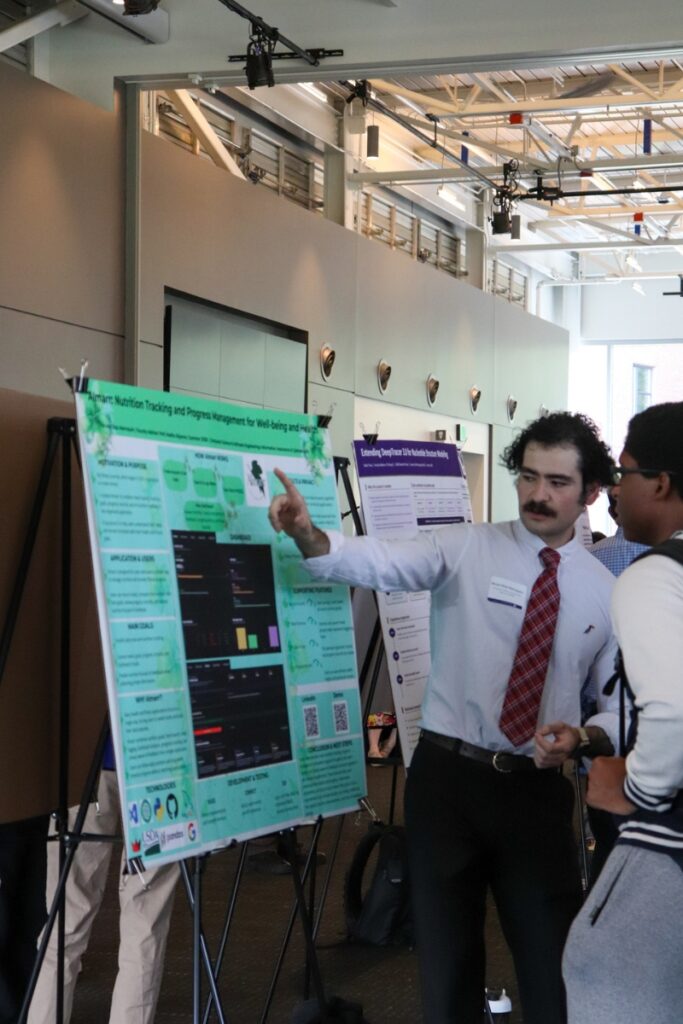
The idea for the project came from Marroquin’s personal journey as a natural vegan bodybuilder which began when he was in high school.
“At the beginning, I barely knew what I was doing, but I stayed consistent,” he said. “I continued researching, experimenting and learning from both mistakes and progress. Each time I learned something new, I incorporated it into my routine and stayed consistent in my fitness journey. Over the years, I gained knowledge about nutrition, workout programming, injury recovery, diet, stress management and time management.”
Expanding access through technology
After graduating, Marroquin is already looking ahead to what’s next. He plans to pursue a master’s degree in AI & Cybersecurity while exploring projects that improve people’s security, health and daily lives. His long-term goal is to create accessible tools that improve health, education and security while making technology easier for people to understand and use. Just as importantly, he hopes his own experience will inspire Deaf students and students with disabilities to pursue careers in technology.
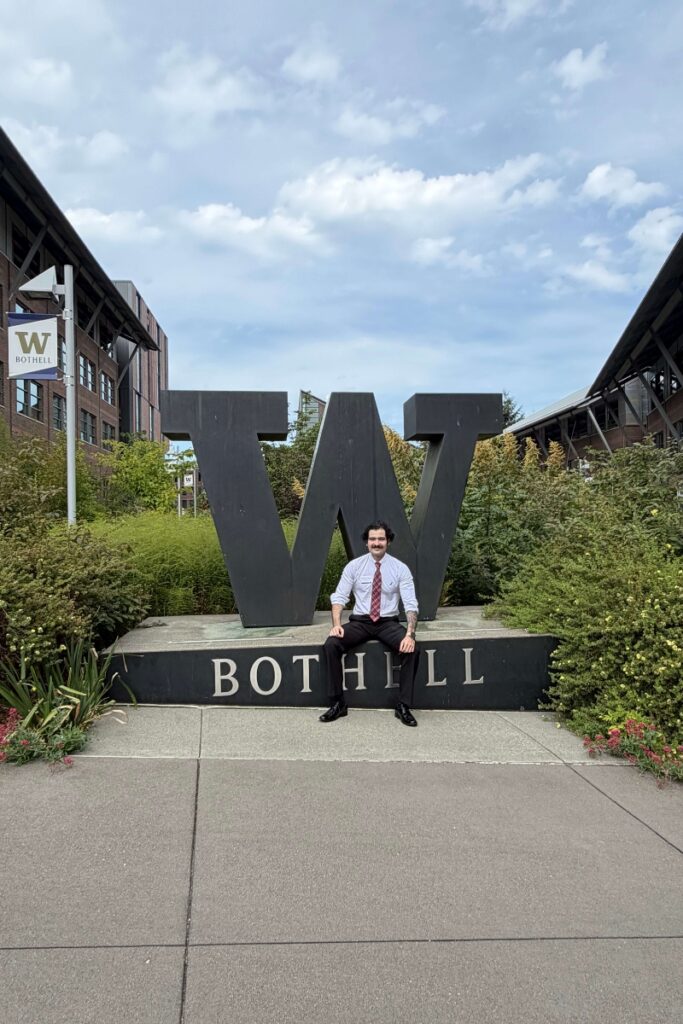
Marroquin shared his story because he wants students with disabilities to know that they belong in engineering and technology fields and that there is no single path to success. He hopes his experiences demonstrate that challenges do not define a person’s potential and that different ways of learning and communicating can be strengths.
“I know the path can be difficult, and I think stories like this can help other students feel that their goals are possible too,” he said. “I want to show that even if the journey takes time and is challenging, it is still possible to grow, break barriers, contribute, and make a meaningful impact.”