Community-Engaged Learning & Research
Community-Engaged Learning & Research (CELR) courses are hands-on, reflective, skill-building opportunities for students to engage with campus and community projects. Through a mutually beneficial exchange with community partners, students apply theory to practice, develop professional experience, and contribute to the public good.
Explore ways to engage with us
There are many ways to engage with CELR, whether you’re a student, a faculty member, or a community partner. See below to learn more about how you can get involved.
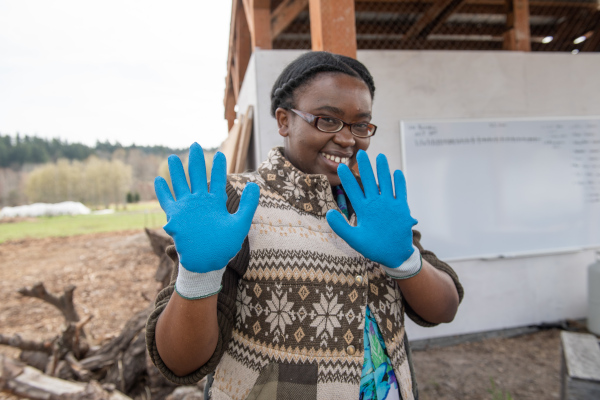
For students
Learn more about ways you can engage with UW Bothell community partners while gaining valuable volunteer and career experience:
View CELR courses and types Enrolled CELR student next steps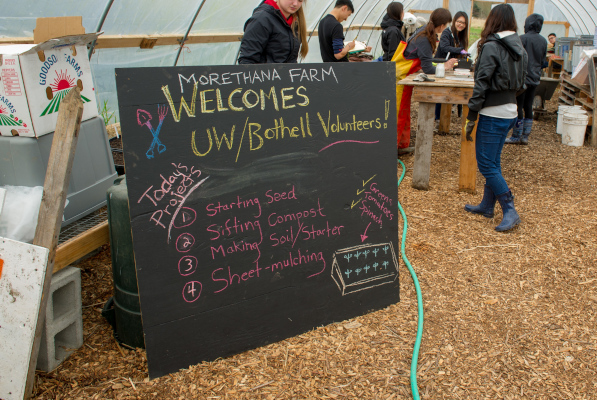
For partners
Collaborate with UW Bothell to create opportunities to foster reciprocal exchange of knowledge and resources. Learn more about the role of partners in CELR courses.
Information for CELR partners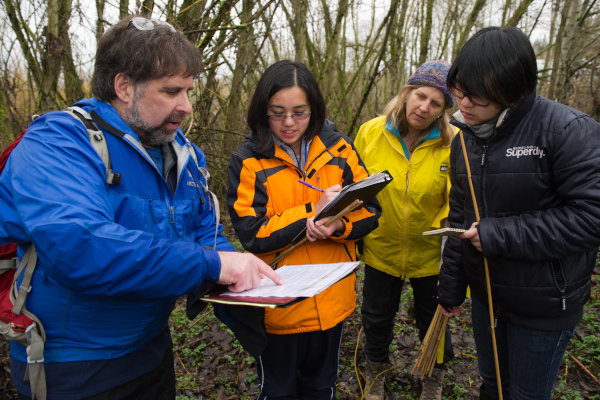
For faculty
Explore ways to engage students with community partners through community-engaged research courses and projects:
Integrate community-engagement into your course
CELR Advising
Meeting with a CELR advisor is easy! Appointments can be scheduled for virtual or in-person. Email or call us at uwbcelr@uw.edu or 425-352-3195 if you have any questions about scheduling an advising appointment.
Schedule a CELR Advising AppointmentWhat is CELR?
CELR is defined as a credit-bearing educational experience where students participate in an organized activity (direct service, research, creative process, advocacy, consulting) collaborating with a community partner (organization, industry, business, K-12 schools, local government) for the purpose of mutual beneficial exchange of knowledge and resources in a context of partnership and reciprocity (adapted from Bringle and Hatcher (1996) & the Carnegie Foundation for the Advancement of Teaching).
Our mission is the advancement of mutually beneficial relationships between the university and the extra-campus community through community-engaged learning and research for the purposes of education and growth among all involved parties. CELR supports the University of Washington Bothell in its mission to be a “transformational learning community,” and to “serve as a catalyst to enhance quality of life throughout our region” while fostering a “dynamic community of multicultural learning.”
CELR Stories
Read more amazing stories from CELR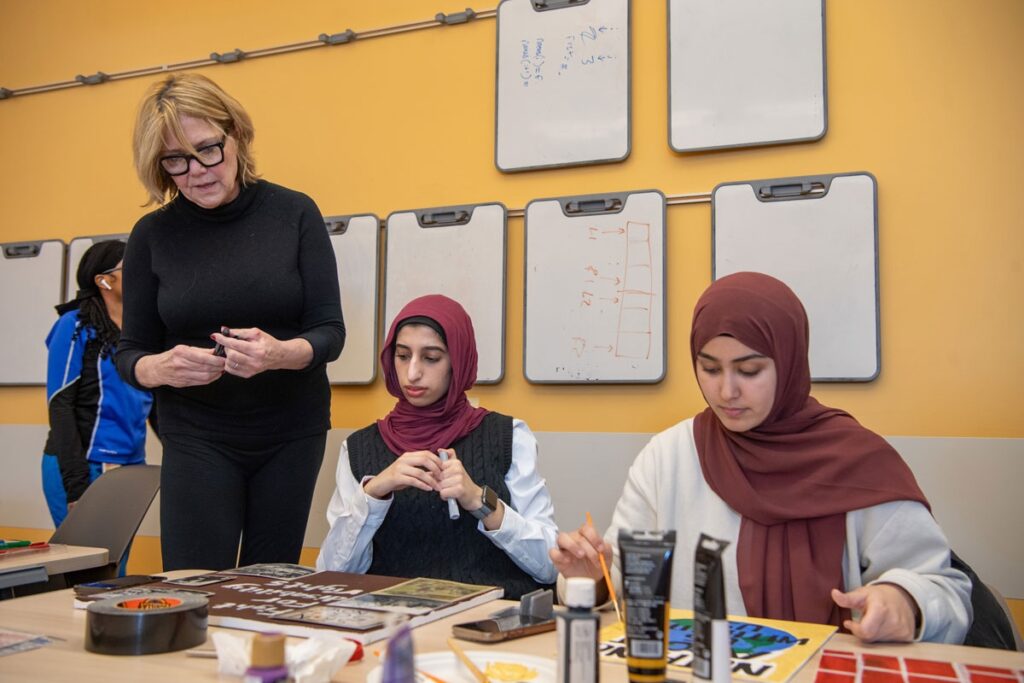
The art and practice of disability justice
Dr. Maureen West educates students about disability justice through art and community engagement.
Learn more about innovative disability justice learning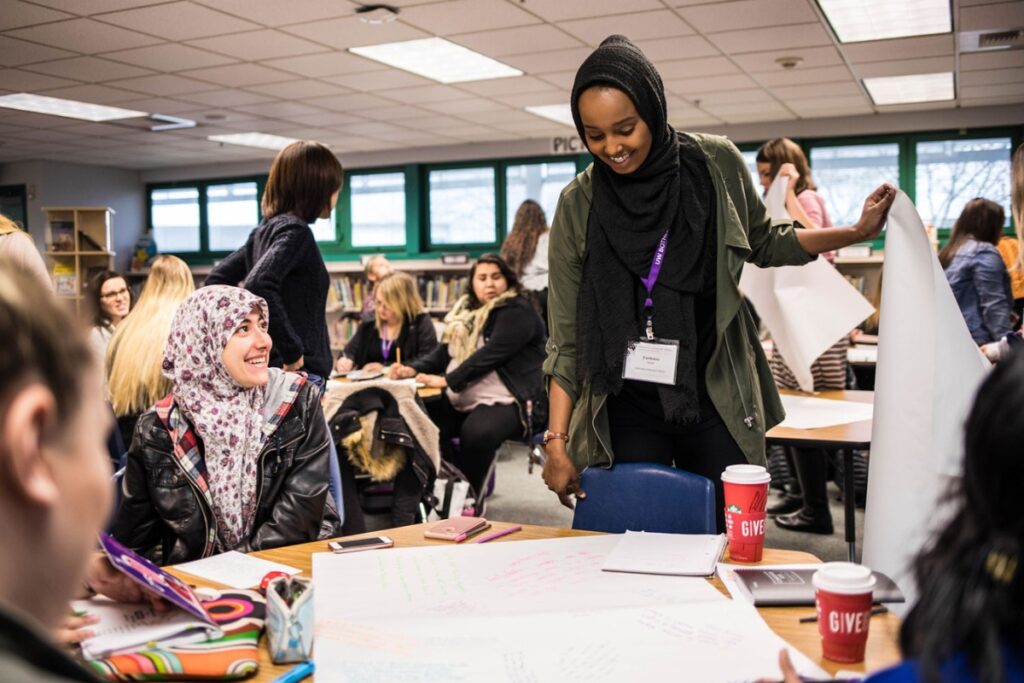
Black spaces in place-based education
Lecturer Dion Crommarty incorporates place-based education to demonstrate the abundant contribution of African Americans to the local communities.
Learn more about place-based education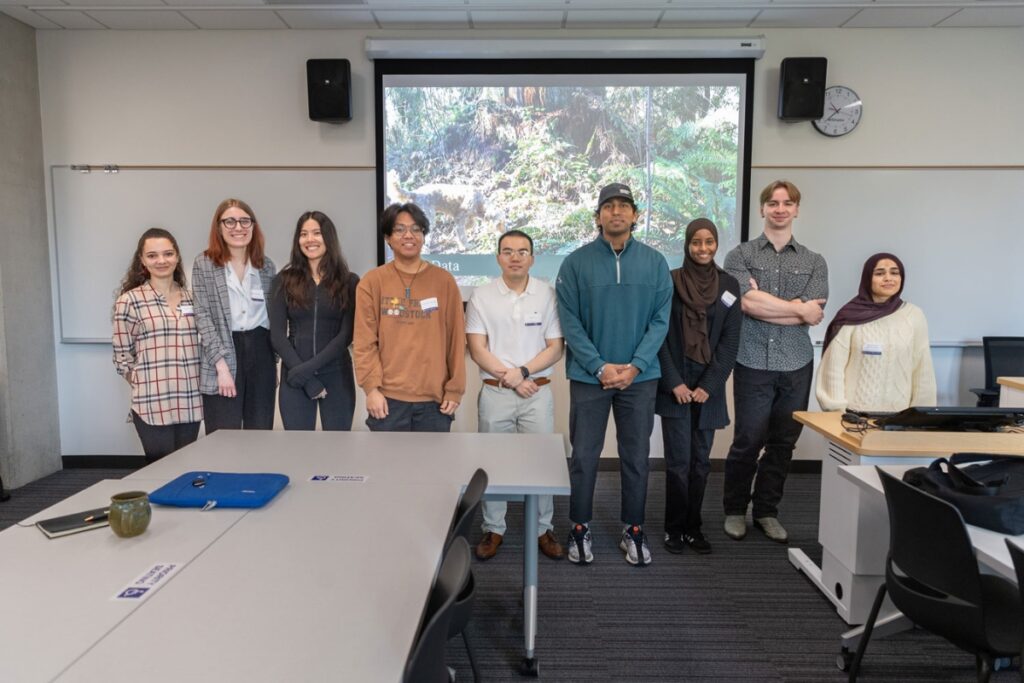
When a park becomes a classroom
Dr. David Stokes leads his students to conduct several environmental and conservation studies at the EERC and local green spaces.
Learn more about EERC and environmental studies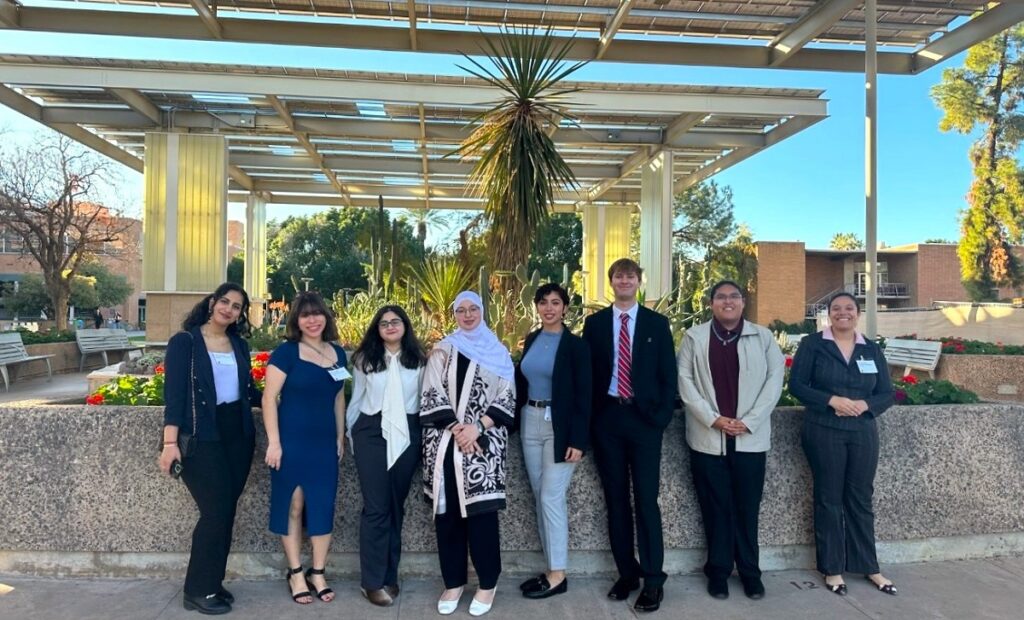
NextGen Student Ambassador Builds Network around Public Service
Students participated in the 2024 Next Generation Service Corps Leadership Conference and gained more insights into public services and community engagement.
Learn more about students build public network