Invasive Species Management and Restoration Pathway
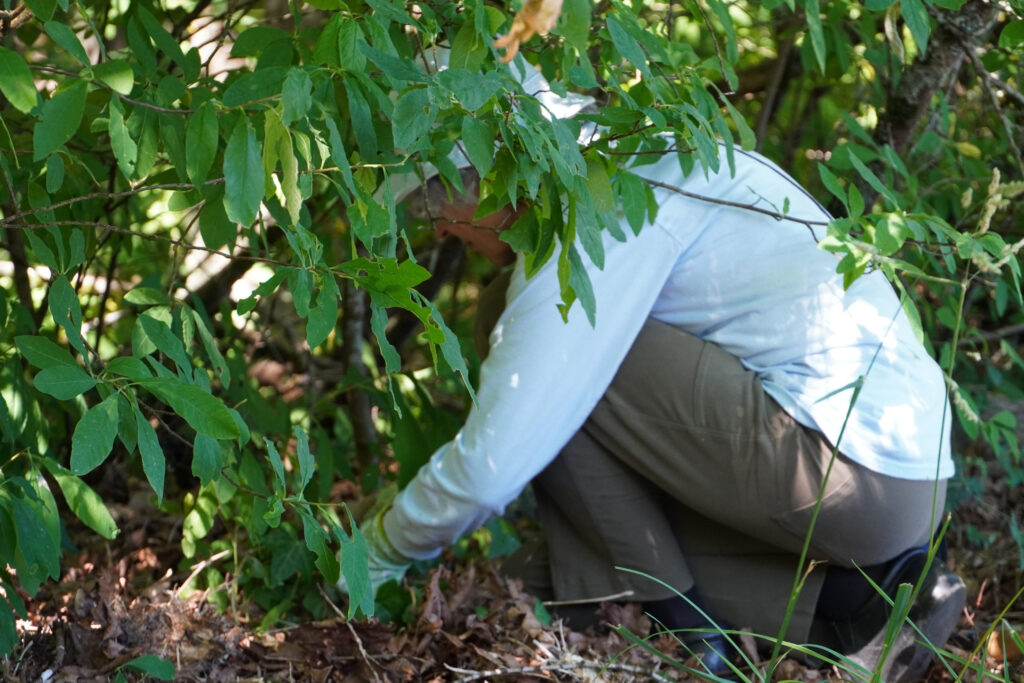
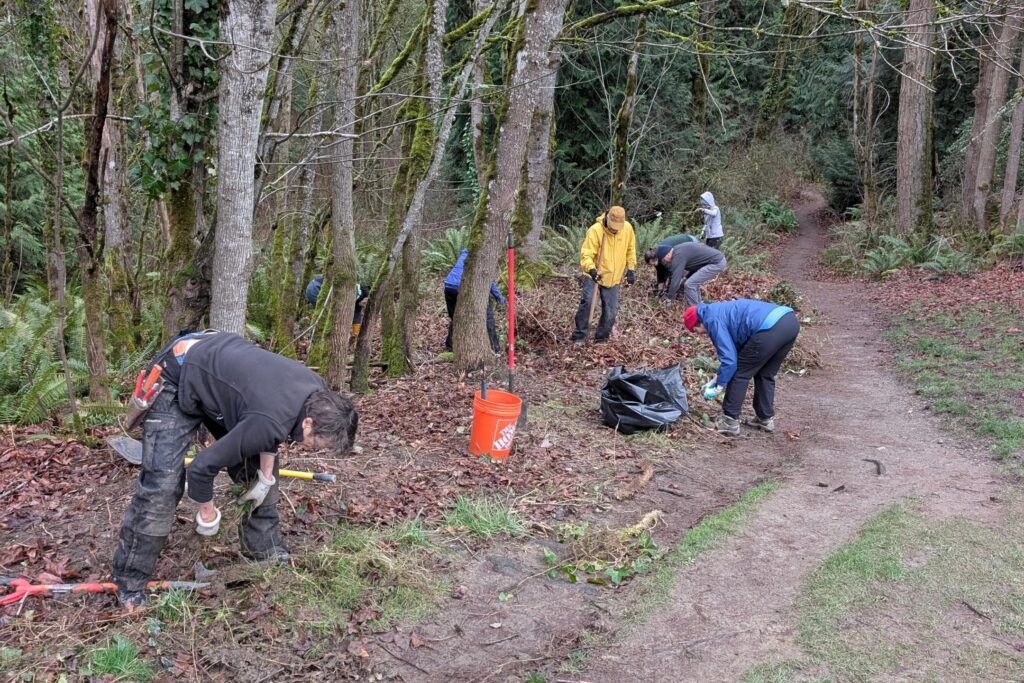
This pathway focuses on community-centered invasive species management, bringing together volunteers and partner agencies to protect and restore native ecosystems. Interns lead community cleanup events, coordinate removal efforts, support park restoration, and help develop a long-term management plan for sustaining native plant communities.
Interns collaborate with CoSEE staff and state park partners to conduct hands-on restoration work and build relationships with local stakeholders. The work emphasizes community engagement, ecological stewardship, and real-world conservation practice—fostering long-term care for the natural spaces we share.
This internship isn’t reserved for the most experienced applicants. We welcome students at every stage of their learning, including those just beginning to explore this field, and no prior experience is required.
Projects may include:
- Plan and lead community volunteer events focused on invasive species removal and native habitat restoration
- Coordinate and conduct hands-on removal projects in partnership with state park staff and partner organizations
- Support the development and implementation of a long-term management plan for sustaining native plant ecosystems
Past project highlights
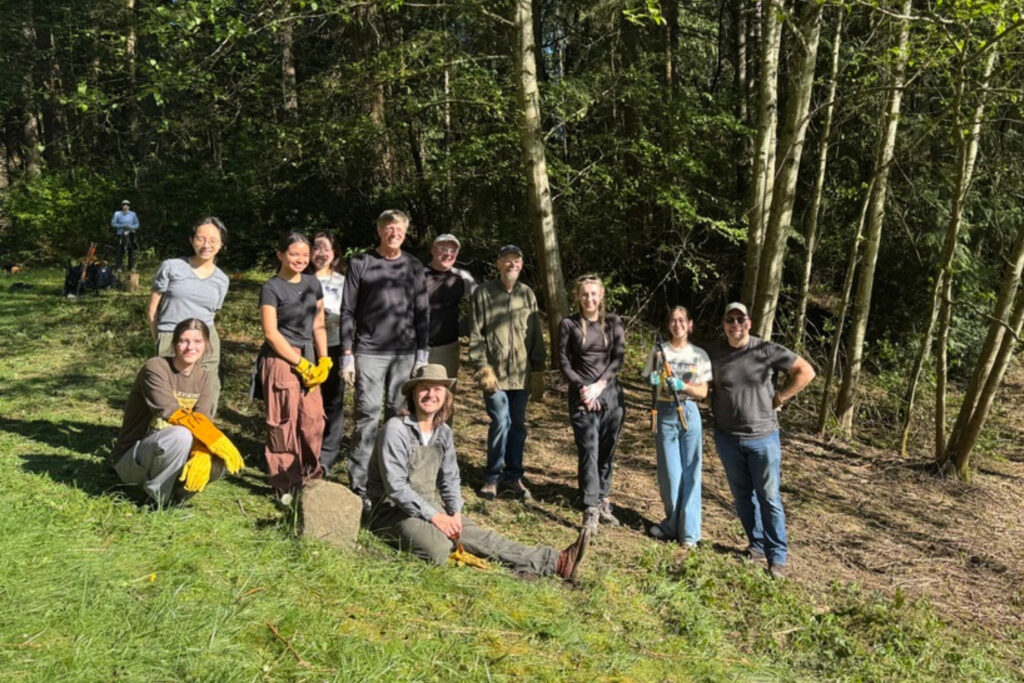
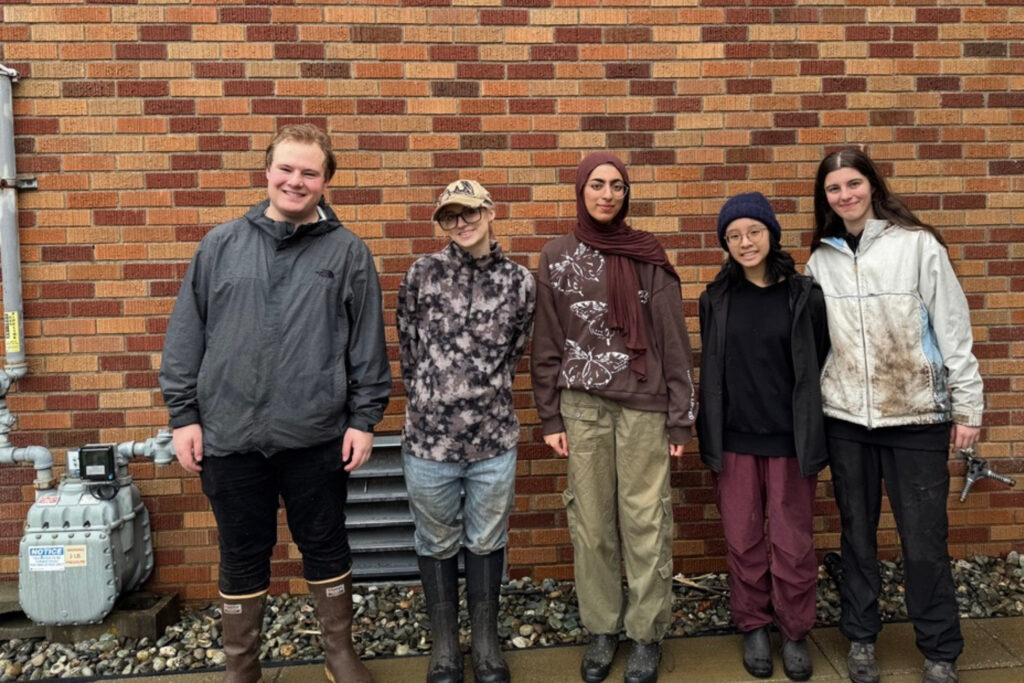
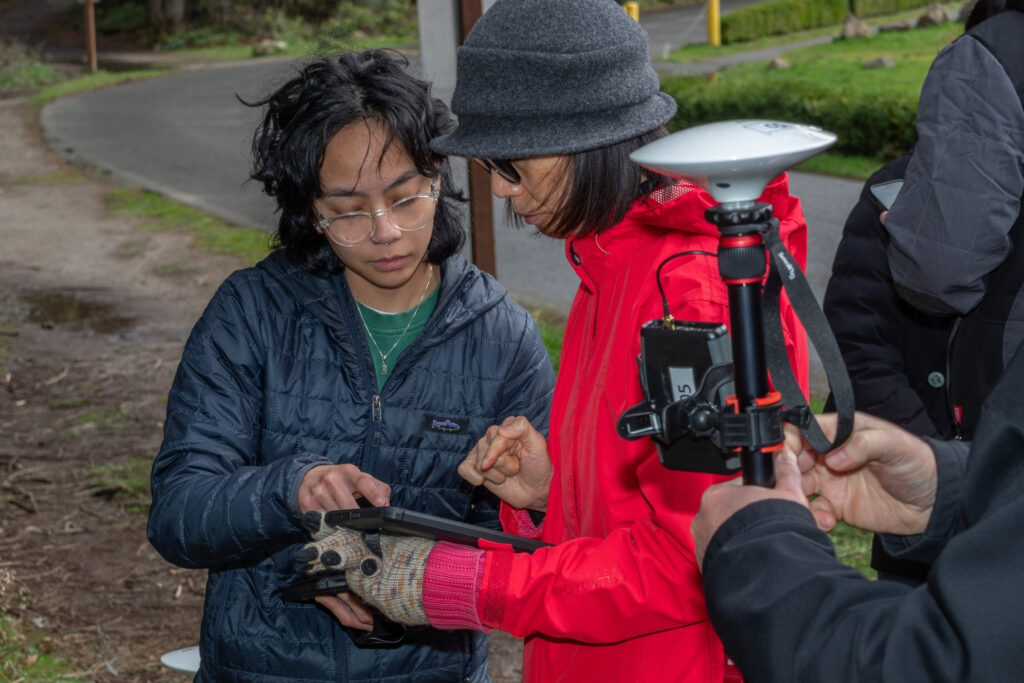
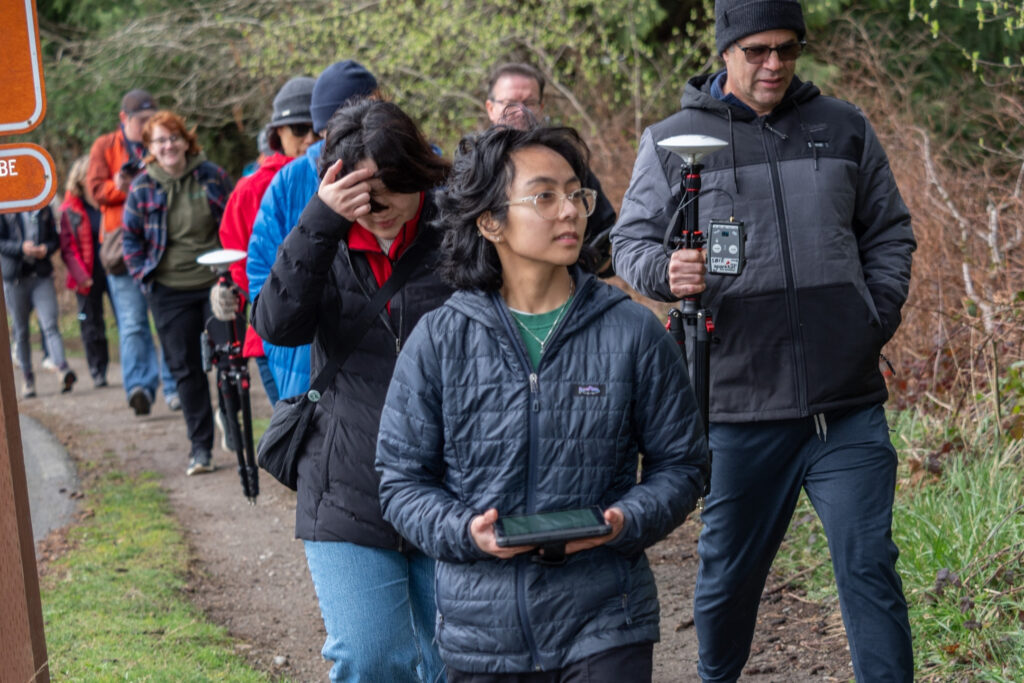
UW Bothell student helping to re-map the entirety of Saint Edward State Park
Janelle led a team of interns to map the prevalence of three key invasive species throughout Saint Edward State Park, and contributed to a full trail re-mapping project whose files were shared directly with Washington State Parks. During her time she also led a Mapping the Park 101 events where she shared her work with the broader community.
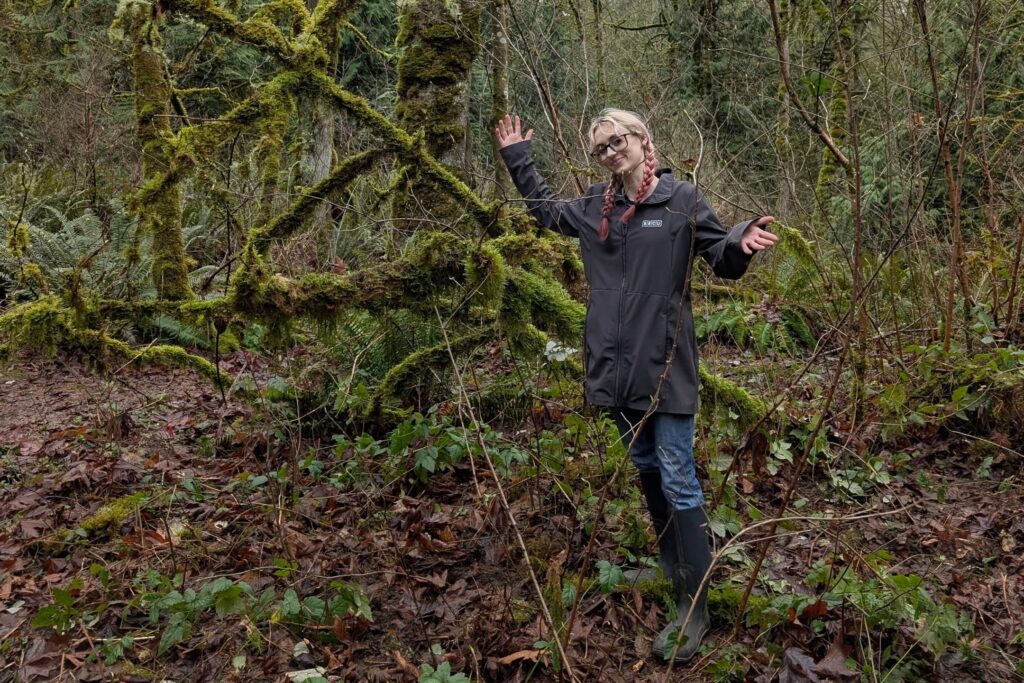
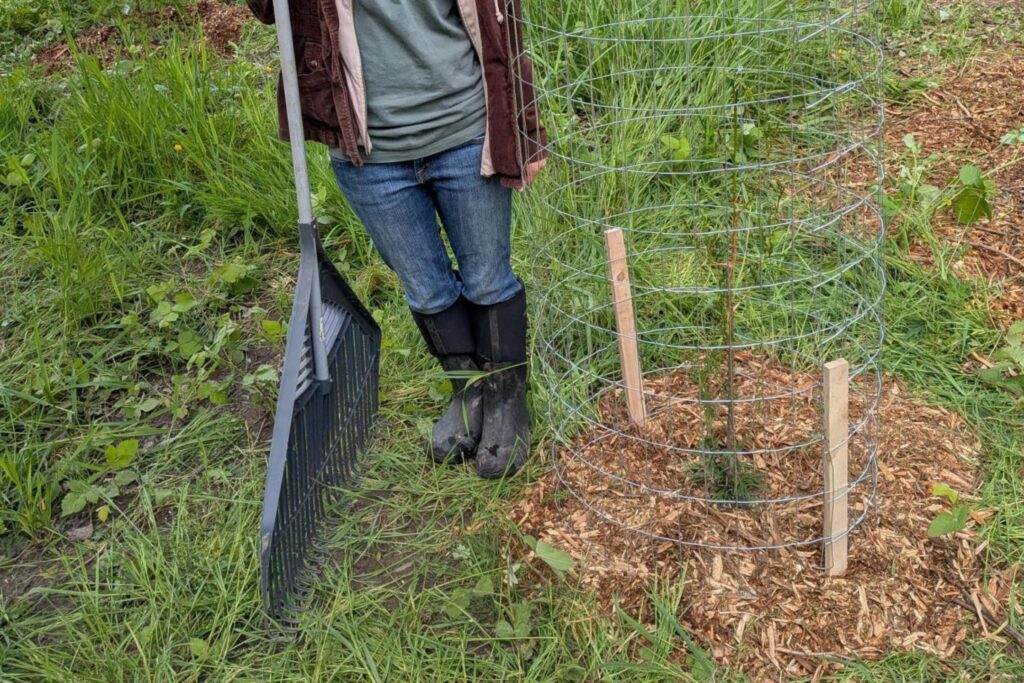
UW Bothell student broadening the reaches of invasive removal through new partnerships
Savannah helped launch CoSEE’s monthly restoration events at Saint Edward State Park, preparing sites, leading volunteers, creating flyers and materials, and growing attendance. Her work has since expanded to Lake Sammamish State Park, where she now supports restoration events and broader programming with the Friends of Lake Sammamish.
Blogs on this pathway
- Learn about advancing invasive removal at Saint Edwards State Park
- Learn about local community work to help get rid of invasive plants being lead by CoSEE interns at the park
- Learn about English Holly invasion at Saint Edward State Park through Dr. Santiago Lopez research
- Learn about Himalyan Blackberry removal at Saint Edward State Park spearheaded by UW Capstone interns
- Learn about collaboration with community partners like Friends of Lake Sammamish State Park to help restoration efforts