Native Plant Learning Garden
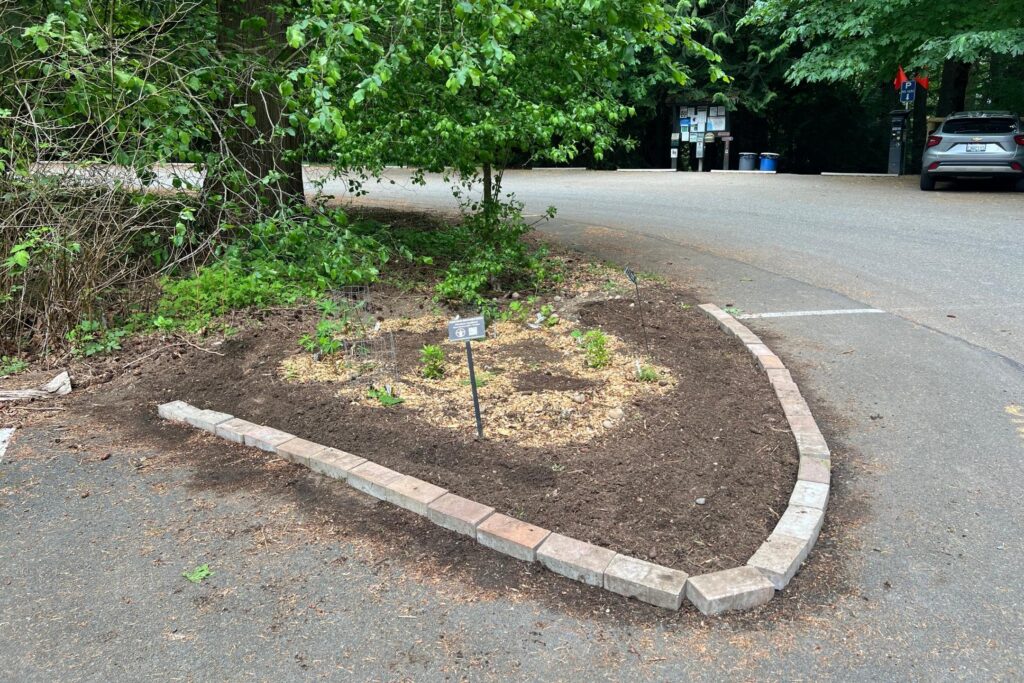
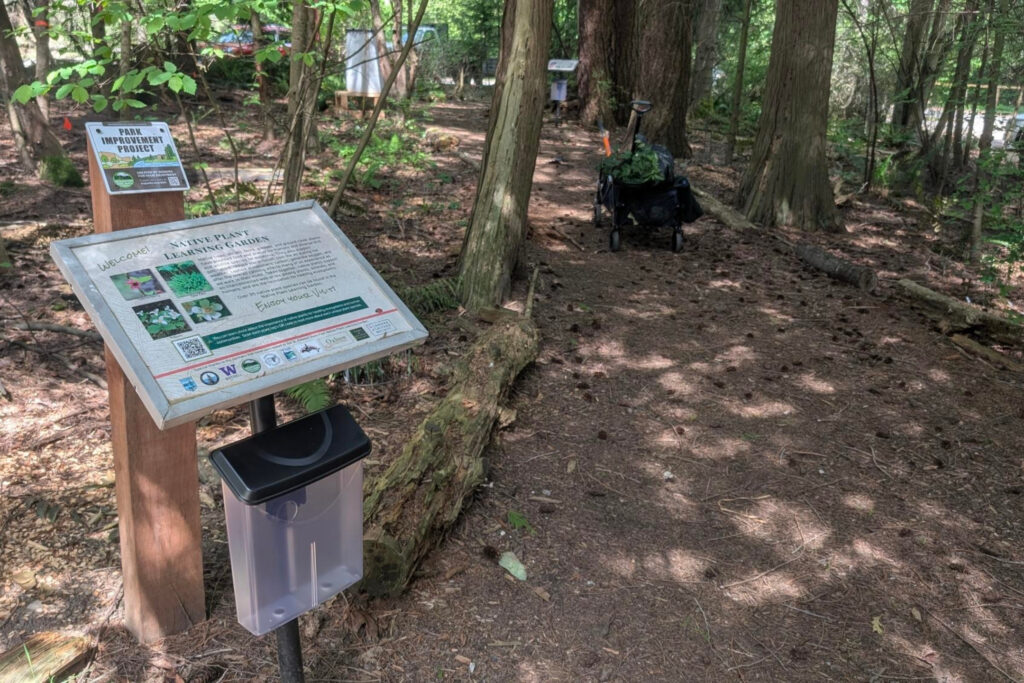
The Native Plant Learning Garden (NPLG) is an ever-growing garden at Saint Edward State Park that is continuously improved and maintained by CoSEE interns, staff and other community partners. The garden is located near the gymnasium parking lot. It has gone through multiple phases in which the current phase is prioritizing long-term maintenance, ecological health, and sustaining the space for years to come.
Why do we have an NPLG?
The Native Plant Learning Garden at Saint Edward State Park has been part of CoSEE’s work since the Environmental Education and Research Center (EERC) was first established. Originally designed as a space for environmental learning and community engagement, the garden has evolved over time through the contributions of students, staff, and community partners.
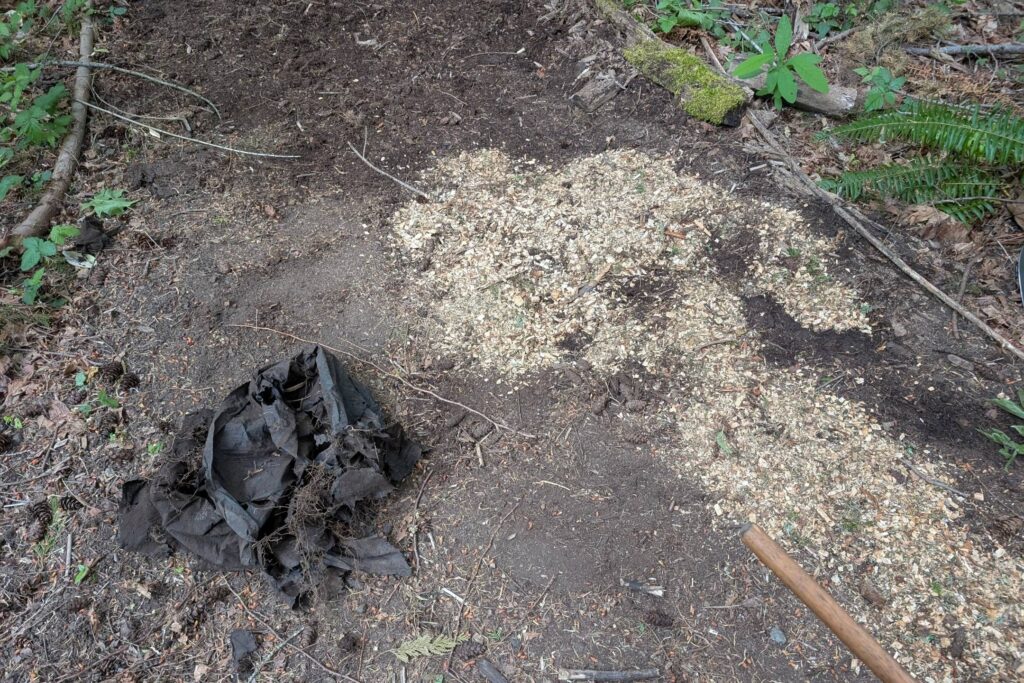
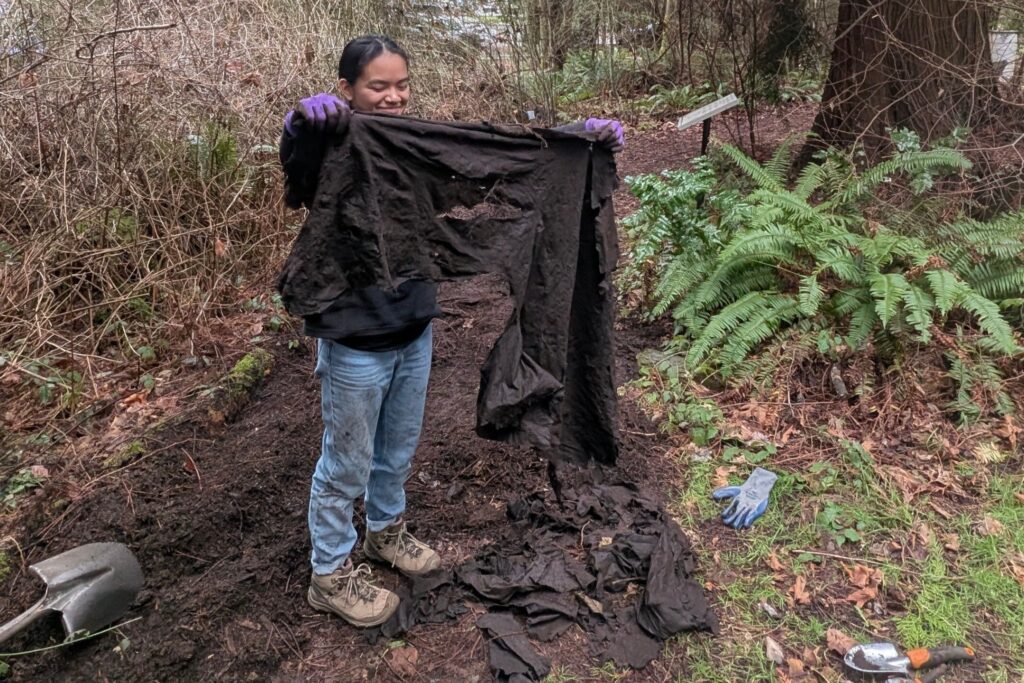
The earliest projects that took place in the NPLG were centered around planting and establishing space. Overtime, maintenance on the garden has been the main project for CoSEE interns including a massive tarp removal of old landscaping fabric beneath the garden trail. This continued maintenance and ongoing planning allows for the garden to promote biodiversity and a more sustainable ecosystem.
The team behind the work
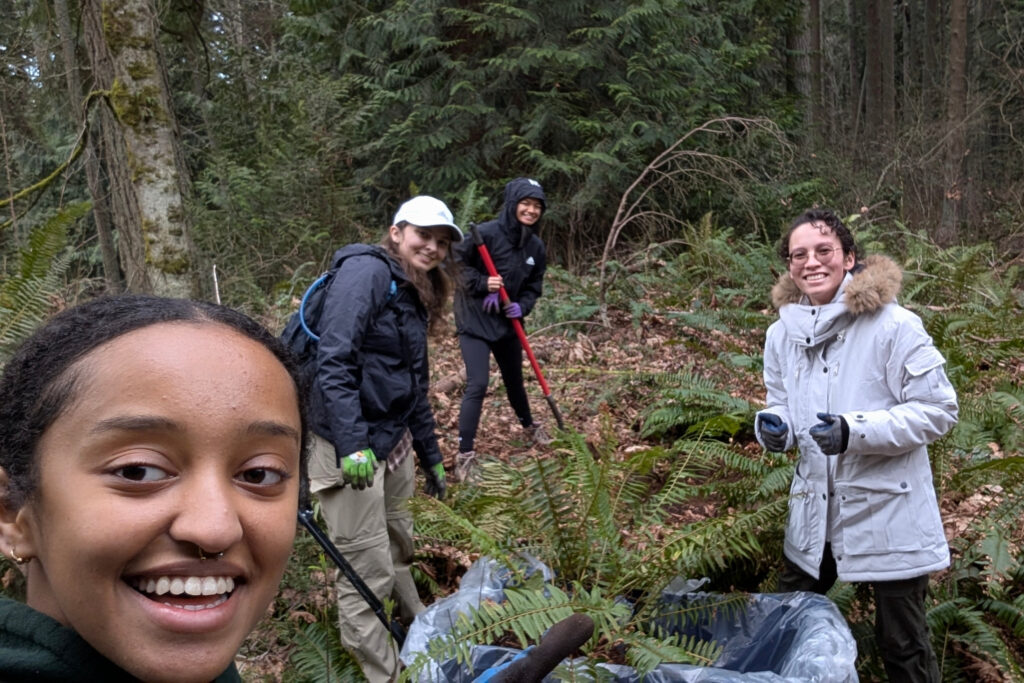
Leading this work are CoSEE interns Ruth and Tiana, with support from Program Manager Maddie Iem, fellow interns Aysha, Newton, and Ash, and community partners including the Friends of Saint Edward State Park (FOSEP) and Washington State Parks. Together, they are working to strengthen the garden’s foundation so it can continue to function as both a thriving ecosystem and a meaningful learning space.
Through this project, Ruth and Tiana have both taken leadership roles by planning restoration work and events, problem-solving in real time, and collaborating directly with staff, interns, and community members. To learn more about the amazing work that CoSEE interns have put towards this project, check out our blog about the garden.
What’s next for the NPLG
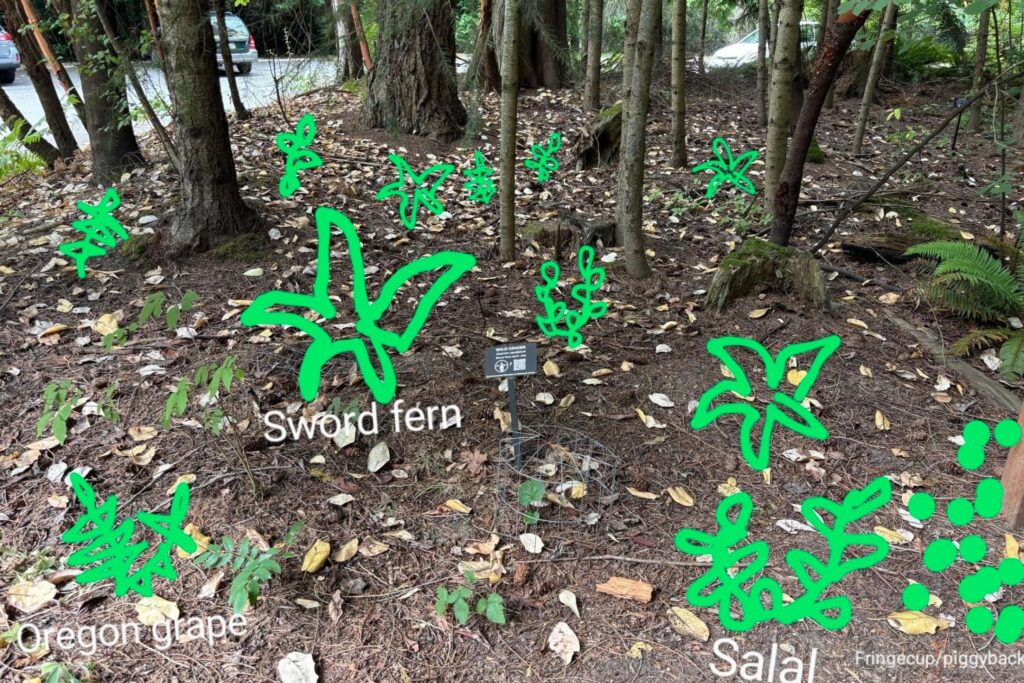
Ruth has developed a planting plan for Spring 2026 that reflects both the garden’s history and its future needs. Rather than simply adding new plants, this phase focuses on balance and longevity — relocating dominant species like sword fern and Oregon grape while introducing a wider range of pollinator plants and native herbs. These additions are designed to strengthen plant relationships, improve biodiversity, and create a more sustainable ecosystem within the garden.
Future planning for the garden will become seasonal and projects that interns can lead to further support the garden. Upcoming planting events will invite interns and community members to help bring this plan to life.
To fund these efforts, Ruth and the team applied for the Washington Native Plant Society’s Native Plant Conservation Grant. Working within a tight timeline, Ruth developed a proposal focused on increasing biodiversity, improving plant health, and updating educational signage. With support from FOSEP and CoSEE faculty, the team successfully secured the funding needed to move forward.
The garden continues to grow with each new group of interns and committed community partners to further work towards a garden that will last for many years to come.