The Forest Community
The forests at Denny Creek connect to Big Finn Hill Park and Saint Edward State Park, providing a place for a surprising variety of plants and animals to live here alongside us.
Satisfy your curiosity here! Follow your interests by exploring videos, photos, and writing all about the topics on each sign. Looking for a different page? Click here to explore all topics!
What’s on this page:
Plants, Fungi & Beyond
Plants can do something most other life can’t: photosynthesize! When plants photosynthesize, they gather energy from the sun, water, and CO2 to grow. For a quick overview, check out “What is Photosynthesis?” Some plants, like our Red Alders, can even fertilize the soil while they grow by working with bacteria. When plants die, the energy and nutrients are released by fungi to fuel new young plants. Our mild, wet climate is perfect for plants and fungi.
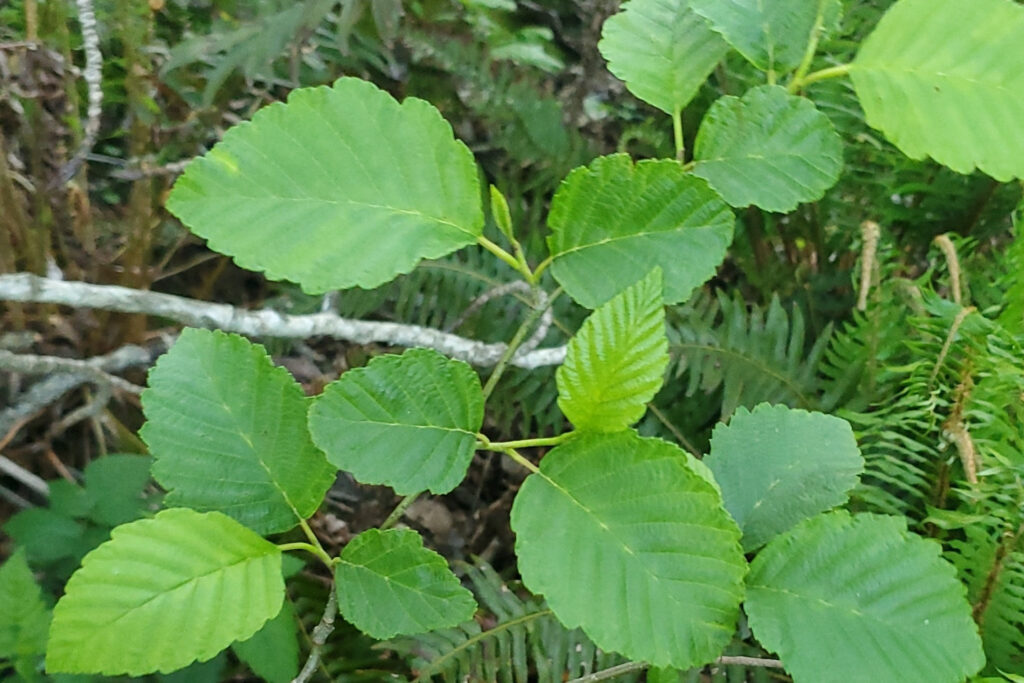
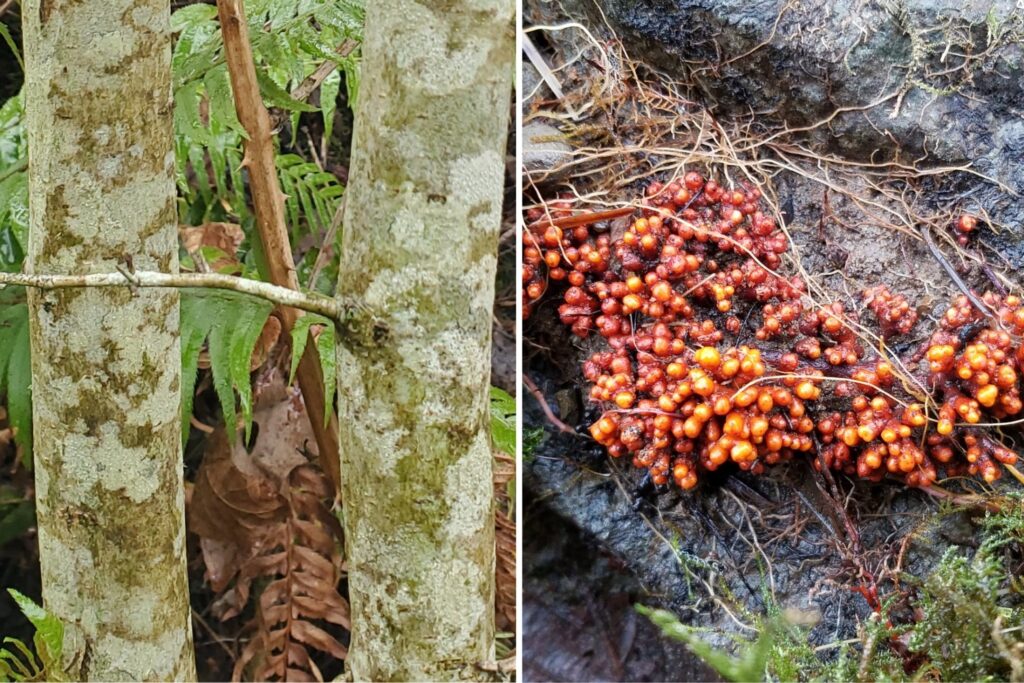
Q: Can you find moss, ferns, fungi and trees all nearby?
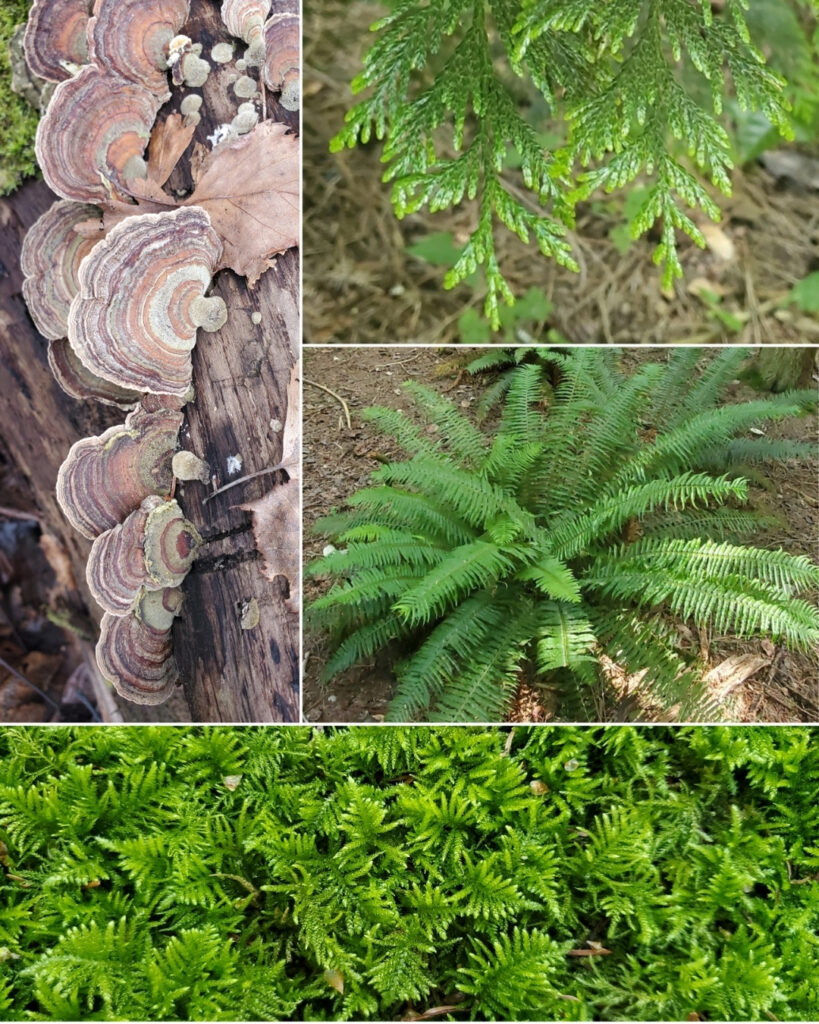
See some common species you might find in the image below and watch the 4-minute video from Washington’s Working Forests to learn how to identify our most common trees.
Can you think of life that depends on plants?
You’re probably right- because almost all life depends on plants! Plants give us the oxygen we all need to breathe, and they help keep the climate stable. Learn how from “How do trees clean the air and store carbon?” by One Tree Planted. Plants gathering energy from the sun are at the bottom of the food chain. Plants feed herbivores, which feed carnivores! Can you think of life that doesn’t depend on plants? Plants aren’t only a source of food, but also a home to woodpeckers, squirrels, bats, owls, and many bugs.
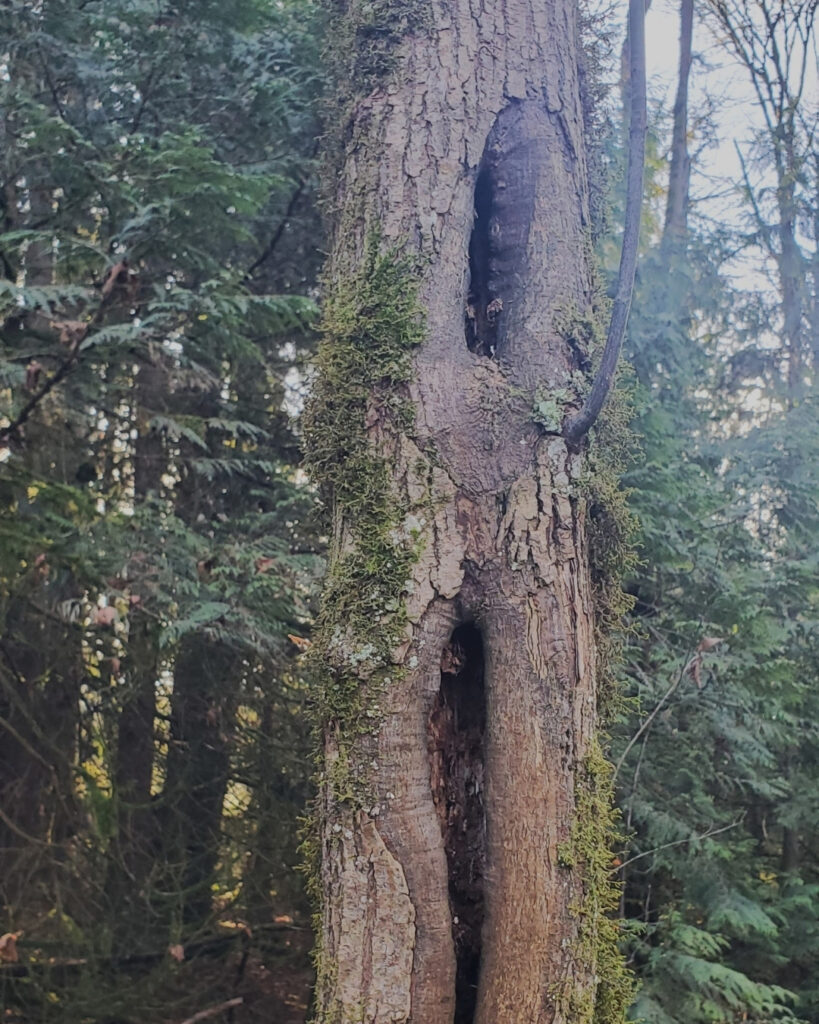
Q: Which homes in plants do you think we have here? Can you see any evidence? Discover some homes you might find nearby below.
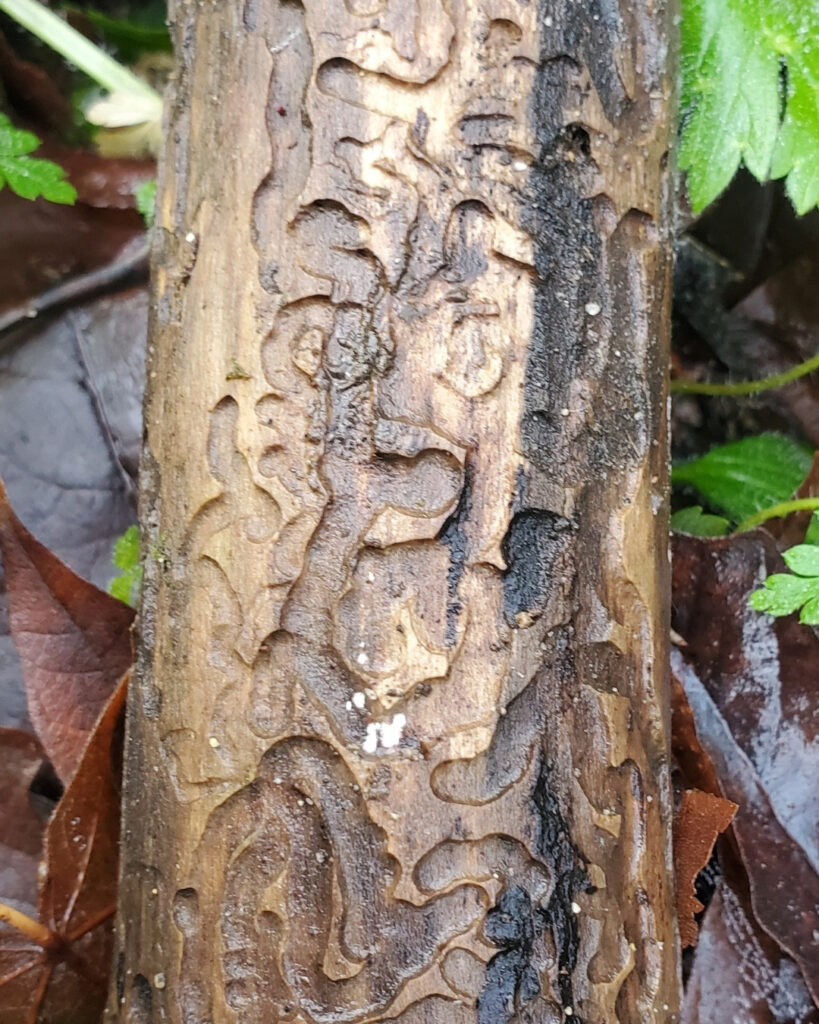
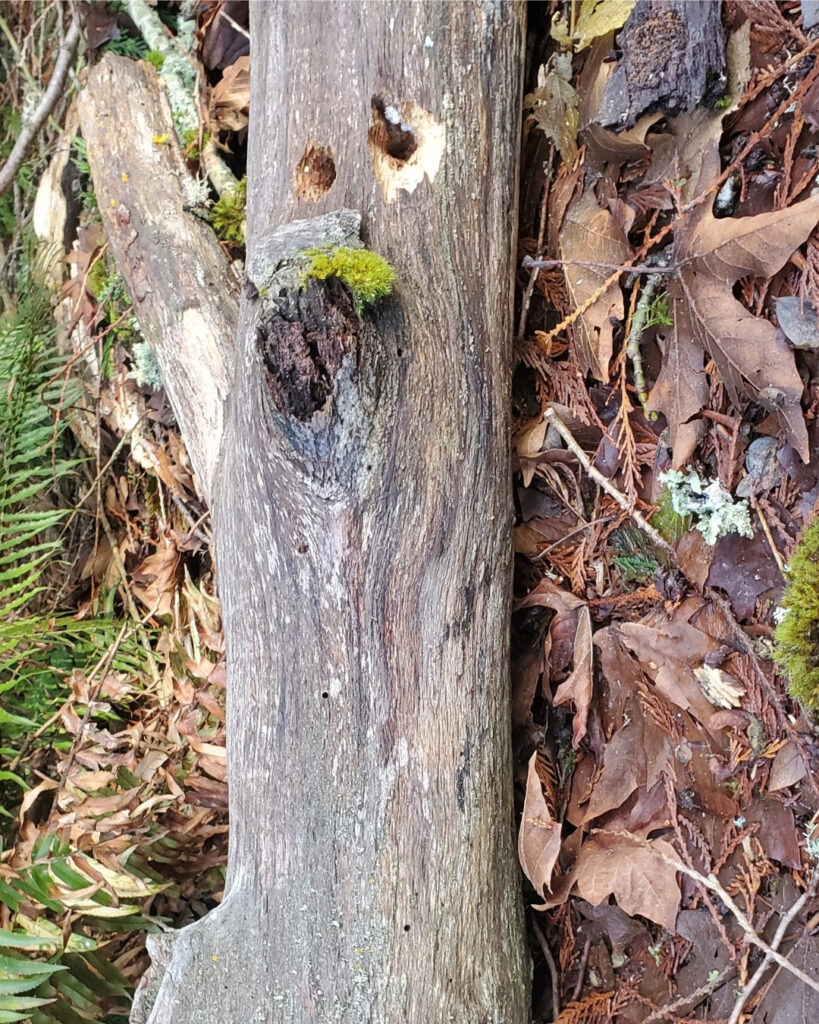
Wait, that’s not a plant?!
Some things that look like plants aren’t plants at all. Lichens are amazing organisms where fungi build a protective shelter and algae living inside photosynthesize. Lichen are several different organisms working together to survive! They can be very sneaky, and may look like moss, fungi, or bird poop!
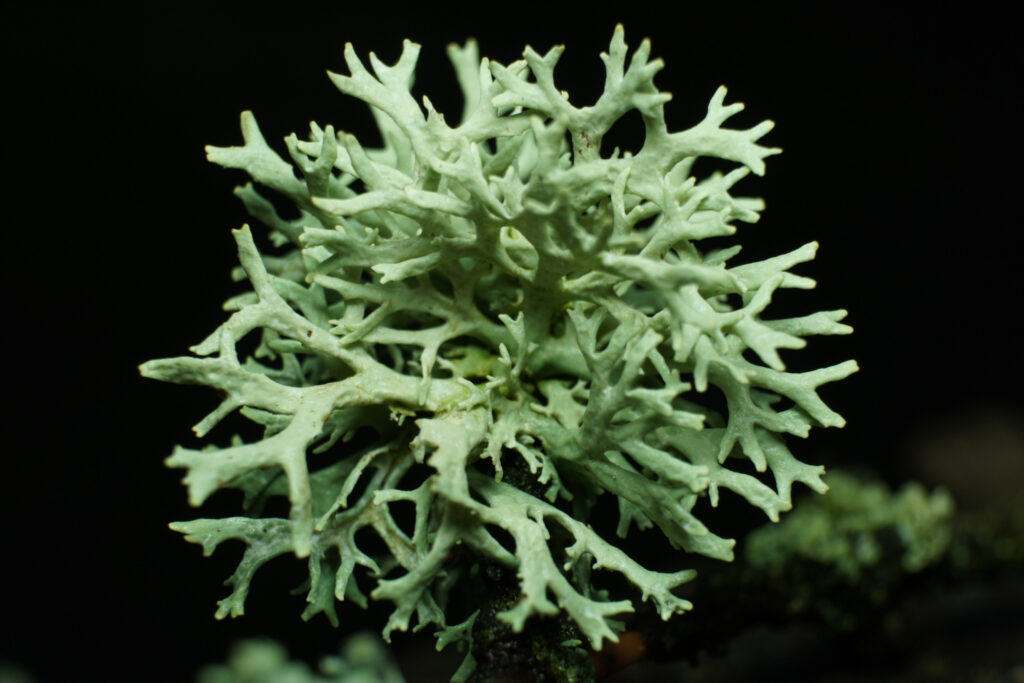
Q: Can you find any here? They don’t need soil, so you might see them on rocks, bark, branches or the ground.
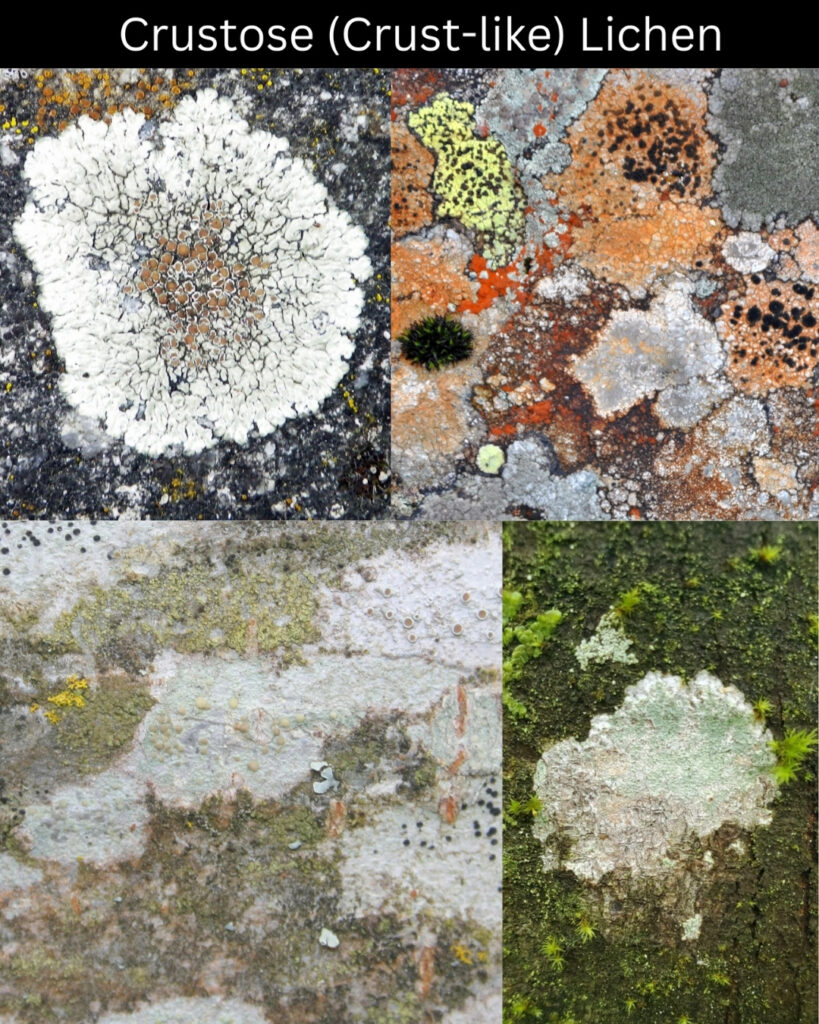
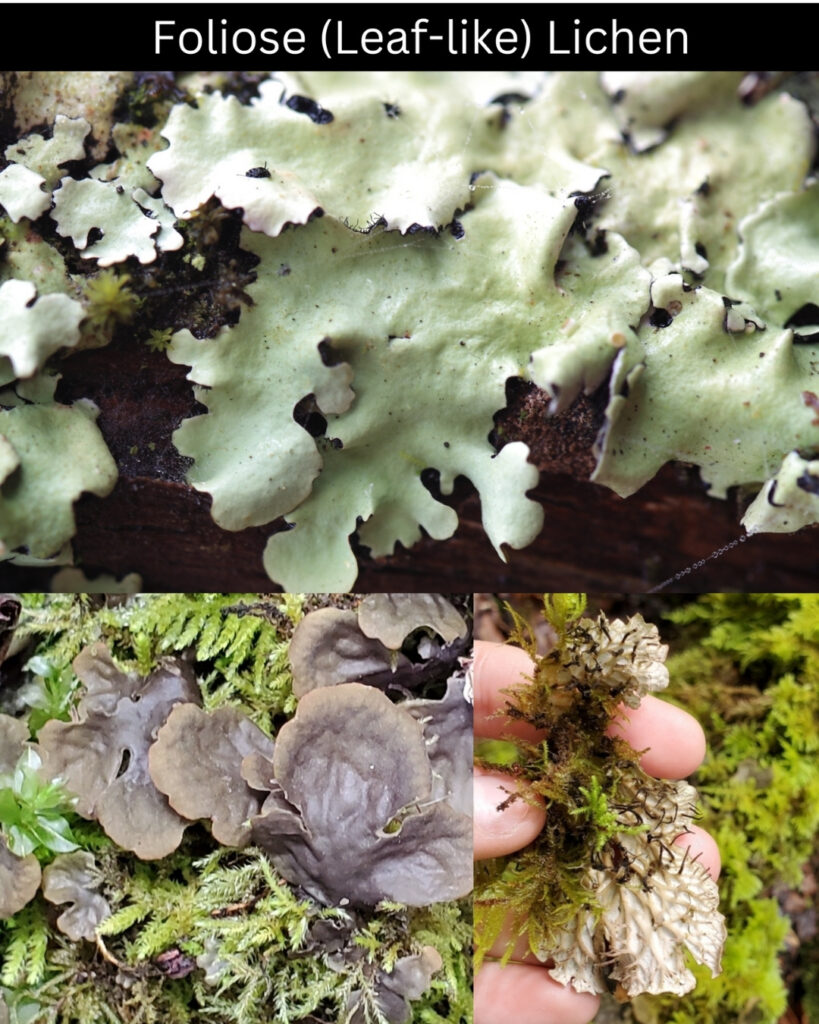
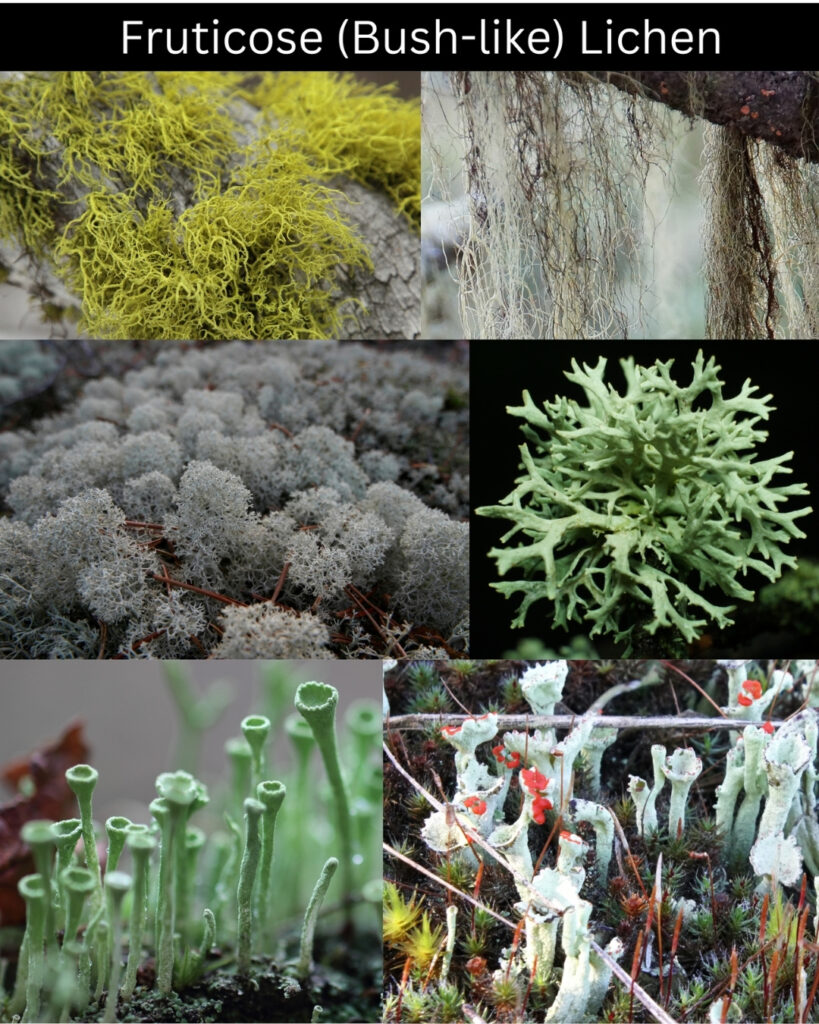
Lichen can be crust like, leaf-like, or bushy. Crust-like lichen can look like paint or spots and often grow on alder bark and rocks. Leaf-like lichen are flat but frilled, and can often be found on damp mossy logs and tree branches. Bushy lichen can be stringy, bushy, funnel-shaped and more, and can be found on living trees and fallen branches.
Birds: The Soundtrack of the Forest
The protective cover of the forest can make birds hard to spot, but often easy to hear. Try identifying them by sound using the Merlin App from the Apple Store or Google Play Store and discover a new way to “see!” We can also learn about who is here from their forest engineering!
How can birds be forest engineers?
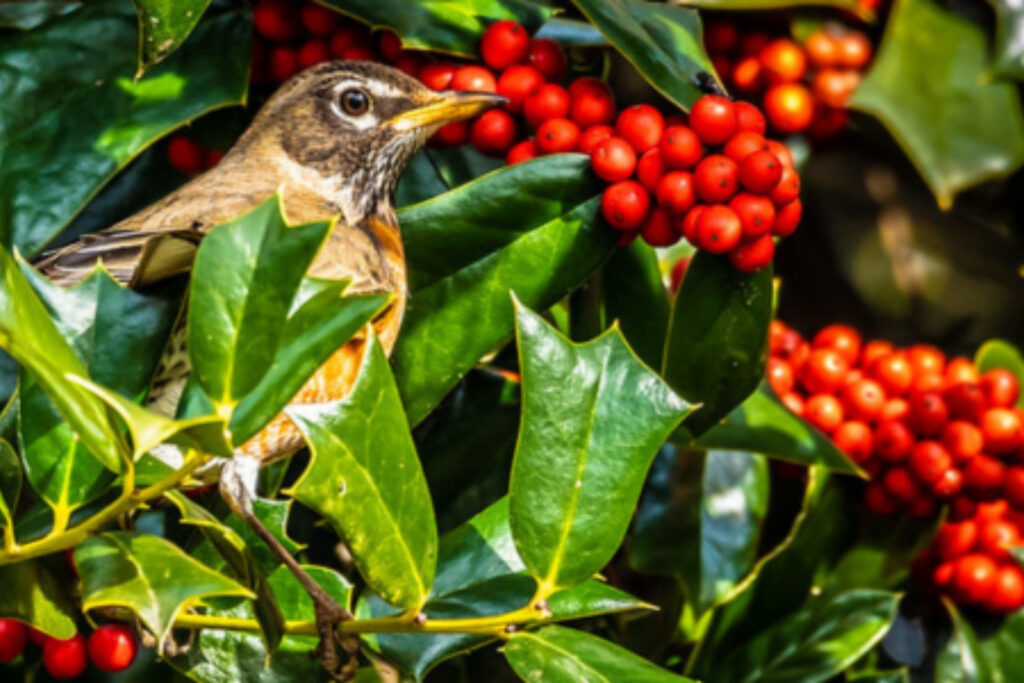
Birds don’t just live in forests – they shape them! How do plants spread if their seeds just fell below them? They wouldn’t get far. With birds’ help, berries can travel far from where they started. American robins love the red berries of the invasive English holly plant, and they can bring seeds deep into native forests where they grow into holly trees. Learn more about how birds play a role in plants spreading at “American Robins deck the Halls” from the New Jersey Conservation Foundation.
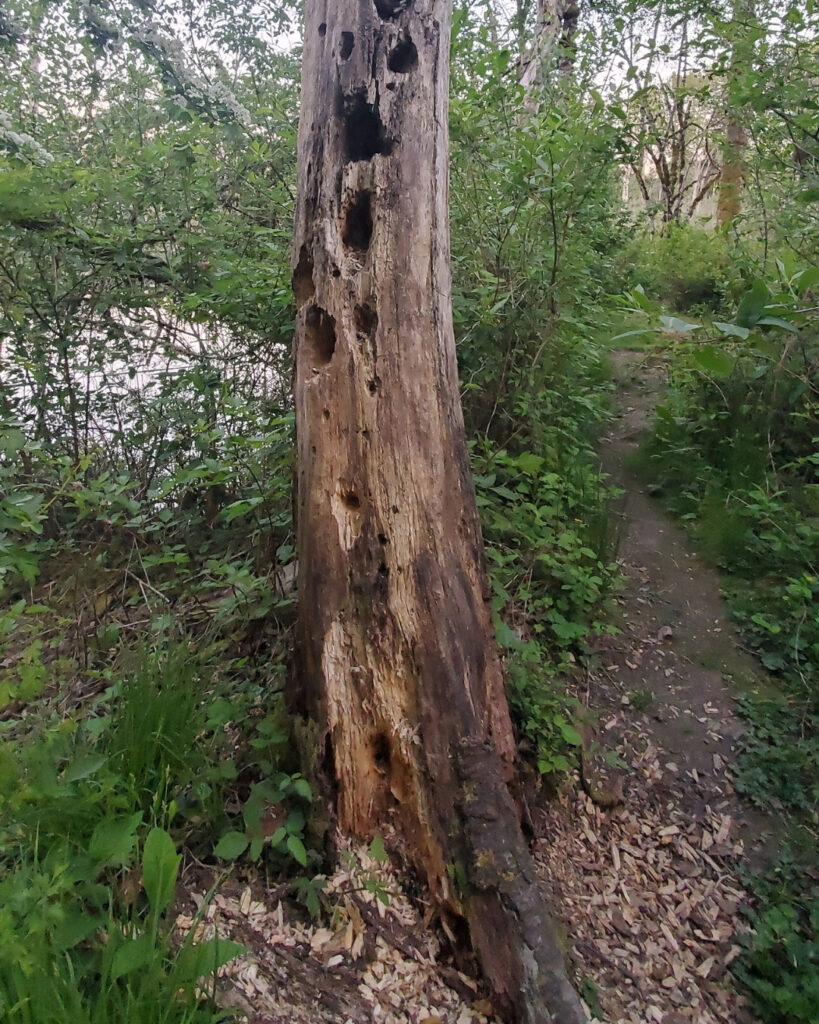
Woodpeckers play a special role in our forests. The Pileated Woodpecker, the largest woodpecker in North America, carves into living and dead trees in search of food and to create nest cavities. By carving up trees, woodpeckers spread critical fungi to new trees and excavate homes for other birds and mammals. Their role in the forest is so important that they are a Keystone species: a species with a big impact on ecosystem health and the survival of other species. Discover different types of Keystone Species from Science Notes.
Life in Streams
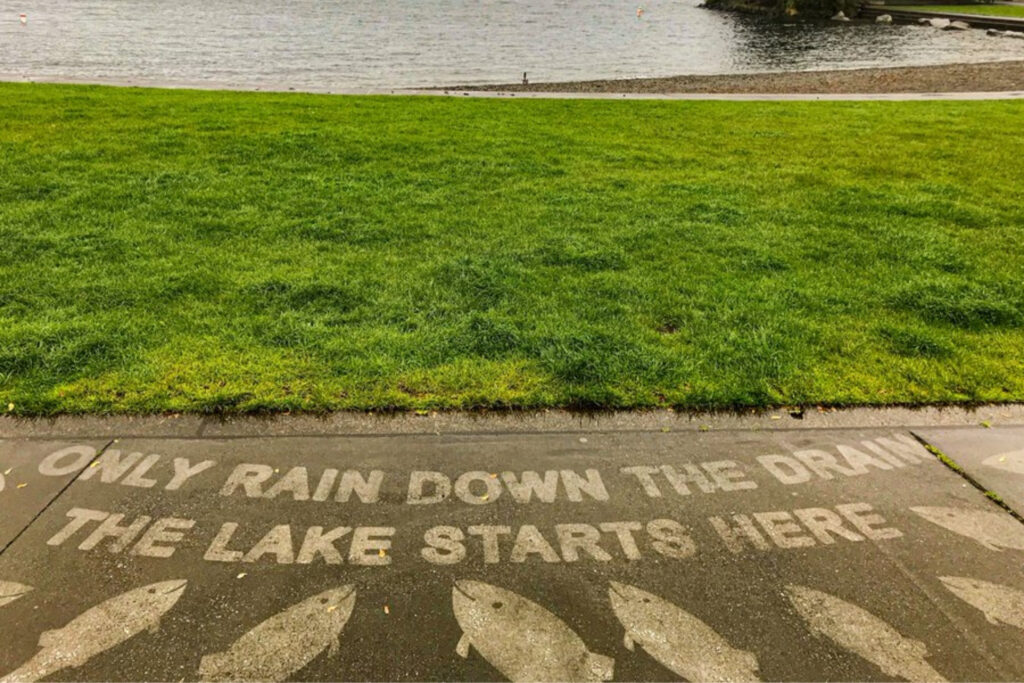
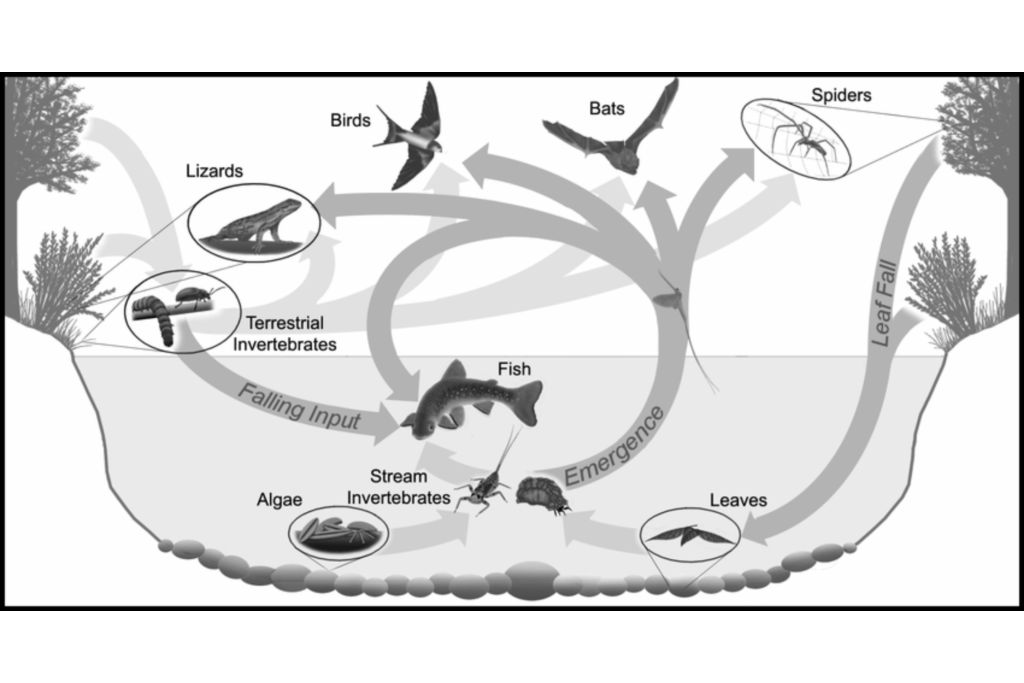
What lives in a stream can tell us a lot about the stream. When rain falls, it may filter through the canopy and forest surface or onto a driveway and down a storm drain. Either way, water brings what it finds along. What enters the stream affects what can live within it, and the life within it affects the stream.
Indicator species are often very sensitive to their environment and are often the first to suffer from environmental change. In streams, these are macroinvertebrates—stream bugs which live in creeks. Some species are very sensitive to dirt, pollutants, pesticides or temperature. We monitor these species to get an idea of how the stream is changing over time. Check out the City of Kirkland’s Stream Bug Monitoring Dashboard to see the results and learn how you can help! (Kirkland monitors water quality and stream habitat too!)
Q: Do you think Denny Creek has these species? Look around and explore the city of Kirkland’s dashboards above to find out!
In the Shadows: Camera Traps and Hidden Animals
What animals have you seen in the forest or your neighborhood?
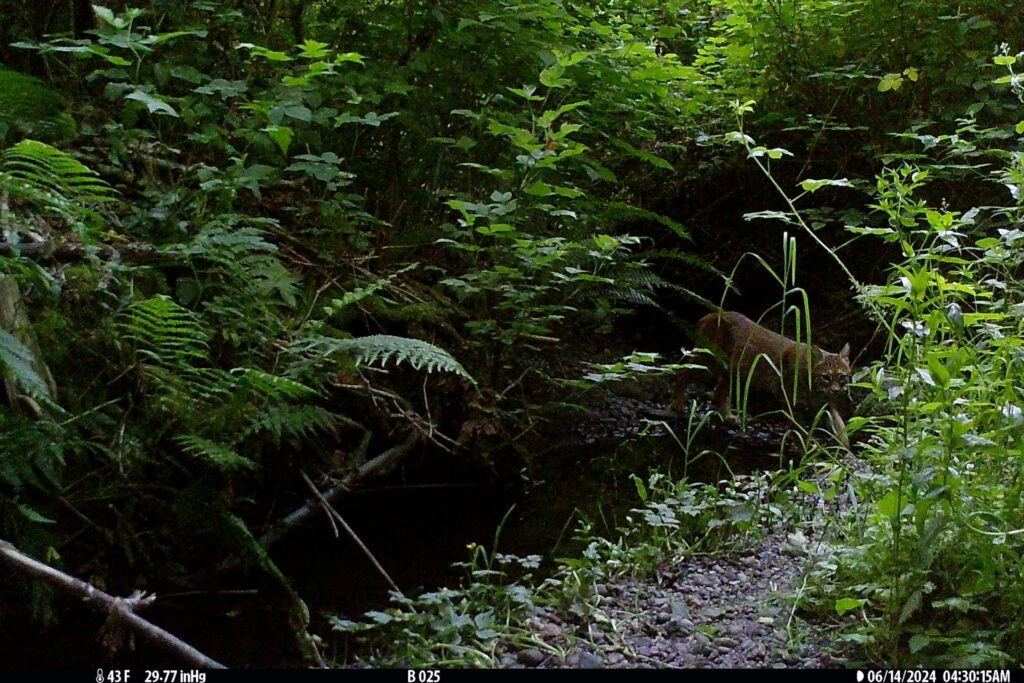
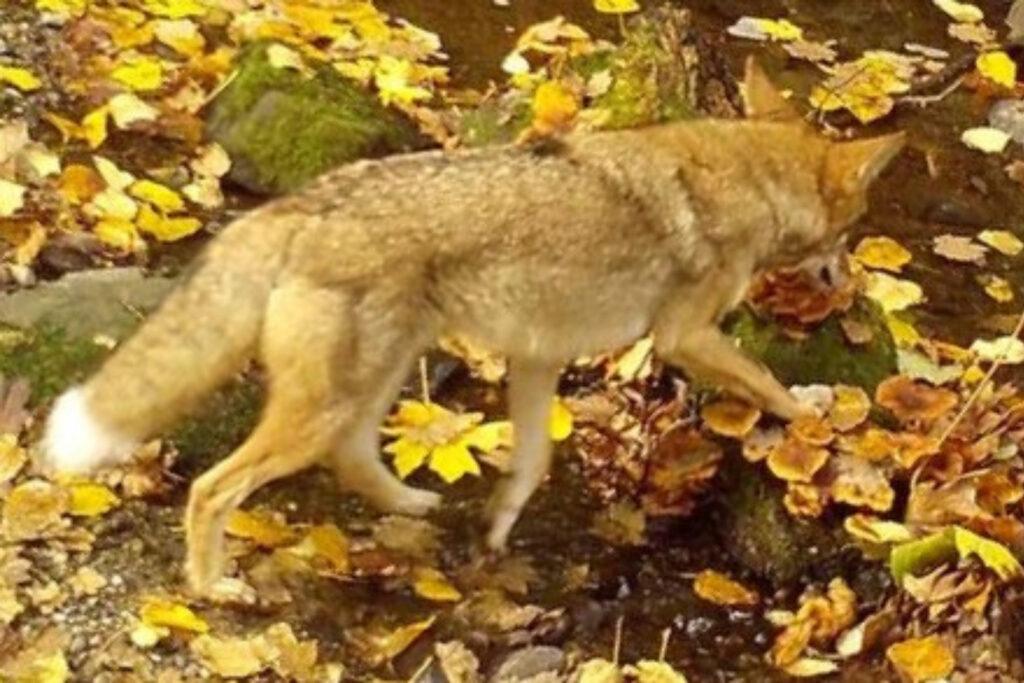
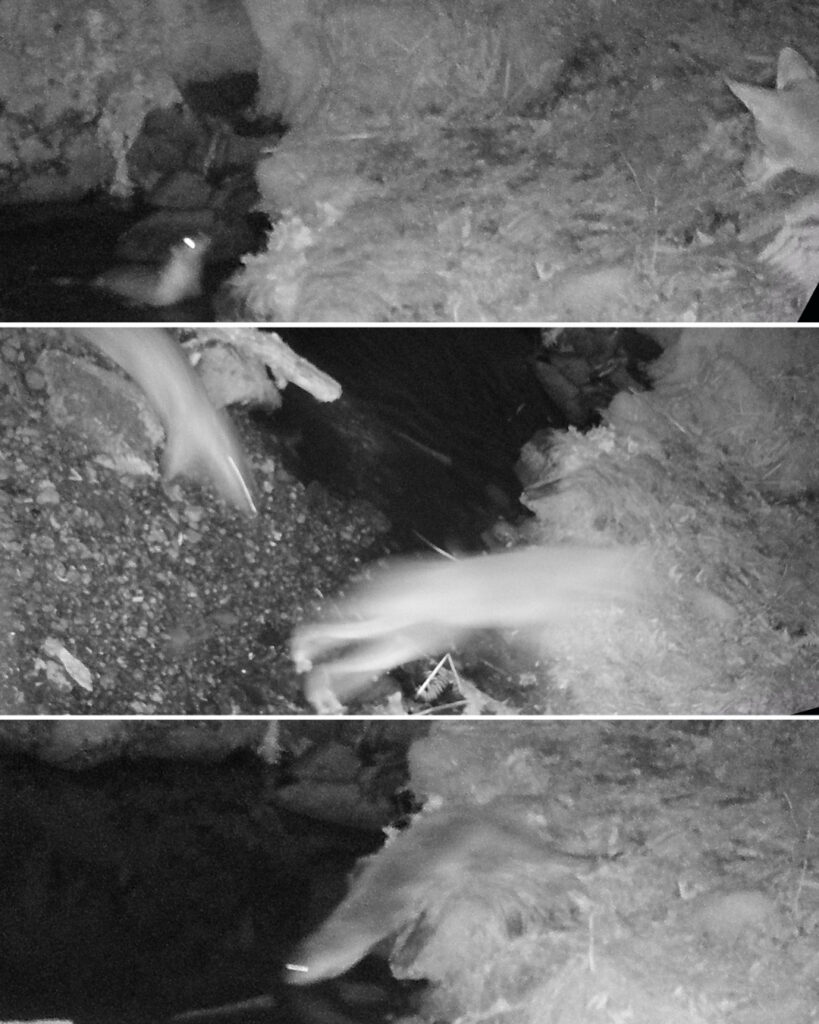
Some animals are rarely seen by people. They might avoid people on purpose or only come out early in the morning or at night. We can have an eye on the forest day and night if we use motion-activated camera traps!
To understand what animals live in the Finn Hill area, Dave Stokes and his team worked with the community to set up over 100 cameras all over the forest and neighborhood. Together, they uncovered many animals living here among us.
Dive into Dave’s research & photos here!
Coyotes, raccoons, squirrels and rabbits would often live on the forest edge and in suburbs, while shy animals like bobcats and flying squirrels like to live deeper in the forest. If you get to see one, you’re very lucky!
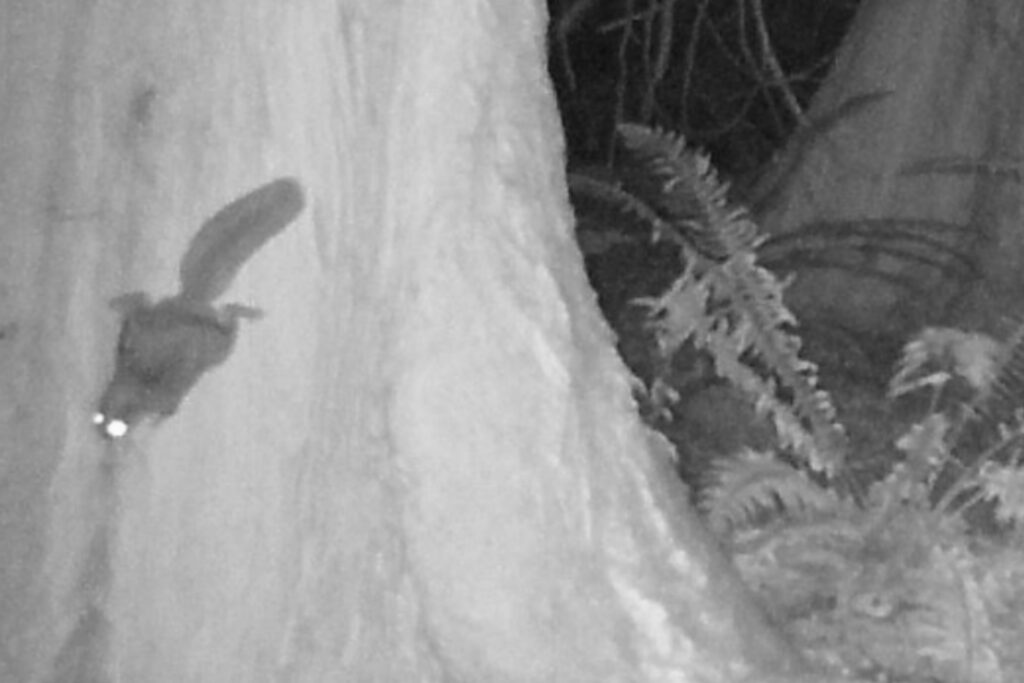
How can I see them?
You have better chances of seeing wildlife when you are slow or still and quiet as you search. Try going early in the morning to wildlife hotspots, like wetlands and creeks. You can also set up your very own camera to look for late-night surprises in your own backyard!
Check out how cameras help us understand the impact of the I-90 wildlife bridge and more from Sentinent Climate, or watch videos of crossings (including animals we don’t find in Kirkland) from the Washington Department of Transportation!