Internships
Supporting student research
CoSEE offers a variety of project-based internship pathways that connect environmental education, research, conservation and community outreach. Internships are credit-based and can count towards the hands-on learning academic credit at UW Bothell. We are located in Saint Edward State Park.
We are proud to support undergraduate research and capstone projects for students from both UW Bothell and UW Seattle. From immersive fieldwork to faculty-mentored research and community-driven collaborations, students gain real-world experience tackling complex challenges at the intersection of ecology and society.
At CoSEE, we understand experiential learning not as something students apply after learning has already occurred, but a part of learning itself. Building on Banks et al.’s LIFE Center framing of learning as lifelong, lifewide, and life-deep, we resist models that make meaningful opportunities contingent on what students have already studied, practiced, or accomplished. Instead, we design internships and other experiential opportunities as spaces where learners can cultivate identities, discover interests, build relationships, develop emerging skills, contribute to their communities, and begin conversations that continue across future academic, professional, civic, and everyday settings. Experiential learning isn’t the last step after students have prepared for work, it’s part of an ongoing trajectory of becoming, one that helps learners recognize what they already know, imagine new possibilities for themselves, and participate more fully in the communities they are already part of.
Internship pathways
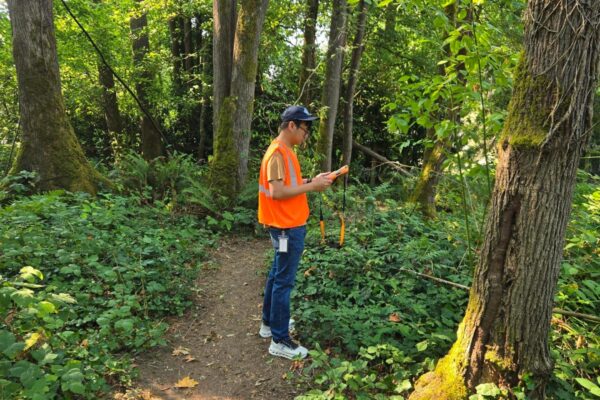
Geographic Information Systems (GIS)
Interns apply GIS tools to support ecological monitoring and restoration at Saint Edward State Park and Lake Sammamish, contributing to spatial data projects that inform conservation and land stewardship.
Learn more about the GIS pathway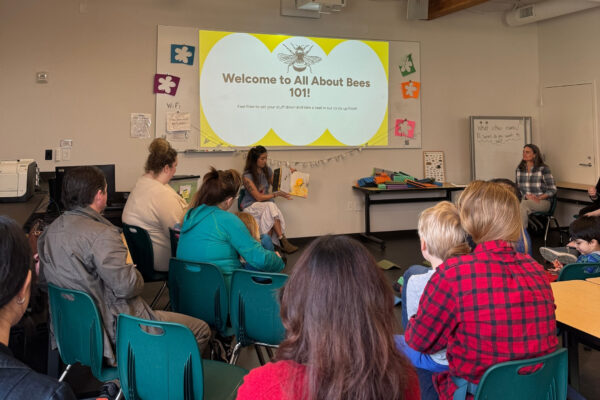
Inclusive Environmental Education
Interns design and deliver inclusive, place-based environmental education experiences — from hands-on learning tools to accessible storytelling — that are culturally responsive and welcoming to learners of all ages and abilities.
Learn more about the inclusive education pathway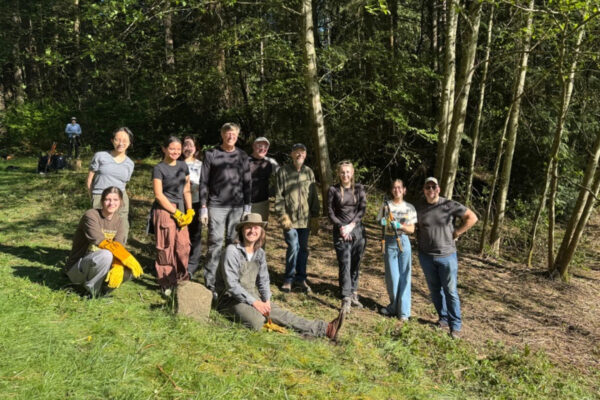
Invasive Species Management and Restoration
Interns lead invasive species removal and restoration efforts at Saint Edward State Park, coordinating with volunteers and partner agencies to protect native ecosystems and develop long-term management plans.
Learn more about the invasive management pathway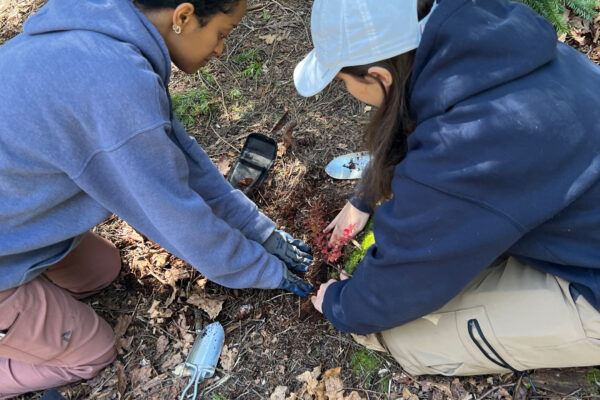
Native Plant Conservation and Community Engagement
Interns support community-centered native plant conservation at Saint Edward State Park by managing and supporting the Native Plant Learning Garden in partnership with Friends of Saint Edward State Park and beyond.
Learn more about the native plant pathway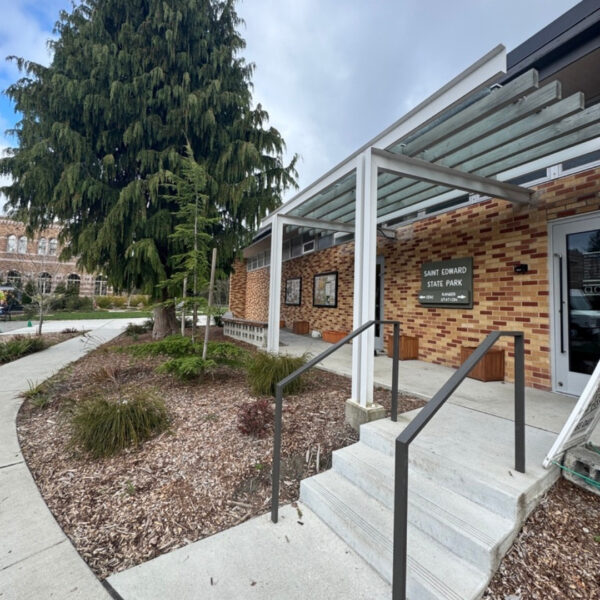
Social Media and Communications
Interns use digital media and storytelling to amplify CoSEE’s work — managing social media, designing outreach materials, and supporting newsletters to connect diverse audiences to environmental education.
Learn more about the communications pathway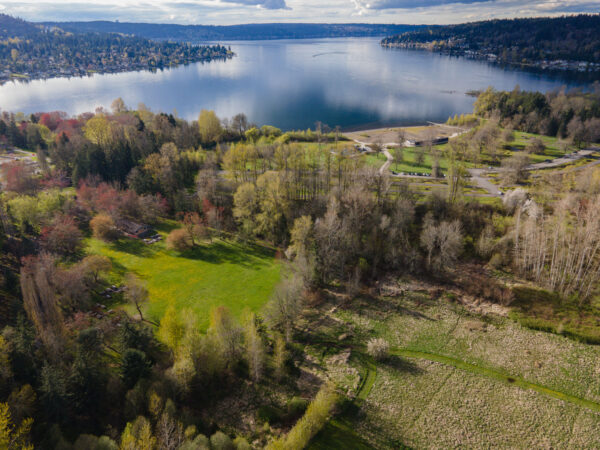
Special Internships Projects
Special Internship Projects grow out of CoSEE’s partnerships with community and partner organizations. These opportunities may have different timelines, paid options, or specialized areas of focus.
View current special projects opportunitiesApplications
We are currently accepting intern applications for the 2026–2027 school year. Internships are credit based. Student can choose to enroll for up to 3 credits based on hours worked. Students will be enrolled in BIS 498 C. This course counts towards IAS students hands on learning credit.
This internship isn’t reserved for the most experienced applicants. We welcome students at every stage of their learning, including those just beginning to explore this field, and no prior experience is required.
Internship terms with open applications for 2026-2027 school year:
- Full Year: October 19, 2026 – June 11, 2027 (Close October 5)
- Term 1 (Fall & Winter): October 19, 2026 – March 19, 2027. (Close October 5)
- Term 2 (Winter & Spring): January 19 – June 11, 2027. (Close January 4)