In 2023, the University of Washington Bothell launched the Master of Science in Community Health & Social Justice degree program to address the urgent need for health professionals who understand the root causes of inequities and have the education to address them.
The program’s curriculum appeals not only to students’ career ambitions but also to their deeply personal, experience-informed goals to enact change.
“Students drawn to our M.S. in Community Health & Social Justice are already committed to equity and justice,” said Dr. Jody Early, professor in the School of Nursing & Health Studies. “Learning how to harness the power of storytelling gives them a vehicle to connect their lived human experience to the systems-level change they came here to create.”
Spark for consciousness
Information has the power to affect beliefs, but storytelling may be even more powerful. According to a study out of Harvard Business School, the impact of statistics on beliefs fades by 73% over the course of a day while the average impact of stories decreases by only 33%.
In her health communication courses, Early teaches students that a well-crafted personal narrative can spark what educator and philosopher Paulo Freire called critical consciousness. “It’s that moment when someone truly sees how social, political and economic forces shape people’s lives — and feels compelled to do something about it,” Early said.
Data can be an important tool in revealing inequity and injustice, she noted, but storytelling is an invaluable platform for shining light on the real people behind the numbers.
“Stories are the heart of social change and the ‘why’ that drives policy change and entire movements,” she said. “It’s not policy briefs or facts alone that move people to act. It’s the human beings inside those policies.”
Catalysts for change
In her class, Early partners with “Narrative Matters,” a peer-reviewed journal that aims to amplify personal stories which carry a policy message and bring new voices into health policy debates. The journal’s mission closely algins with the CHSJ program goals and gives students a real-world platform and audience for their work.
Early also showcases how others use storytelling to strengthen, uplift and empower communities — giving students the opportunity to learn from organizations such as the Urban Indian Health Institute, Public Health – Seattle & King County and Latinos Northwest Communications.
“When students discover that their own story has the power to shift someone’s perspective or inspire someone to take action,” she said, “it transforms not just their advocacy but their sense of themselves as catalysts for change.”
In the articles below, explore how current and past CHSJ students are fueled by their personal experiences, and how they leverage the power of storytelling to inspire broader systemic change around the issues they care about most.
Explore the personal stories of CHSJ students :
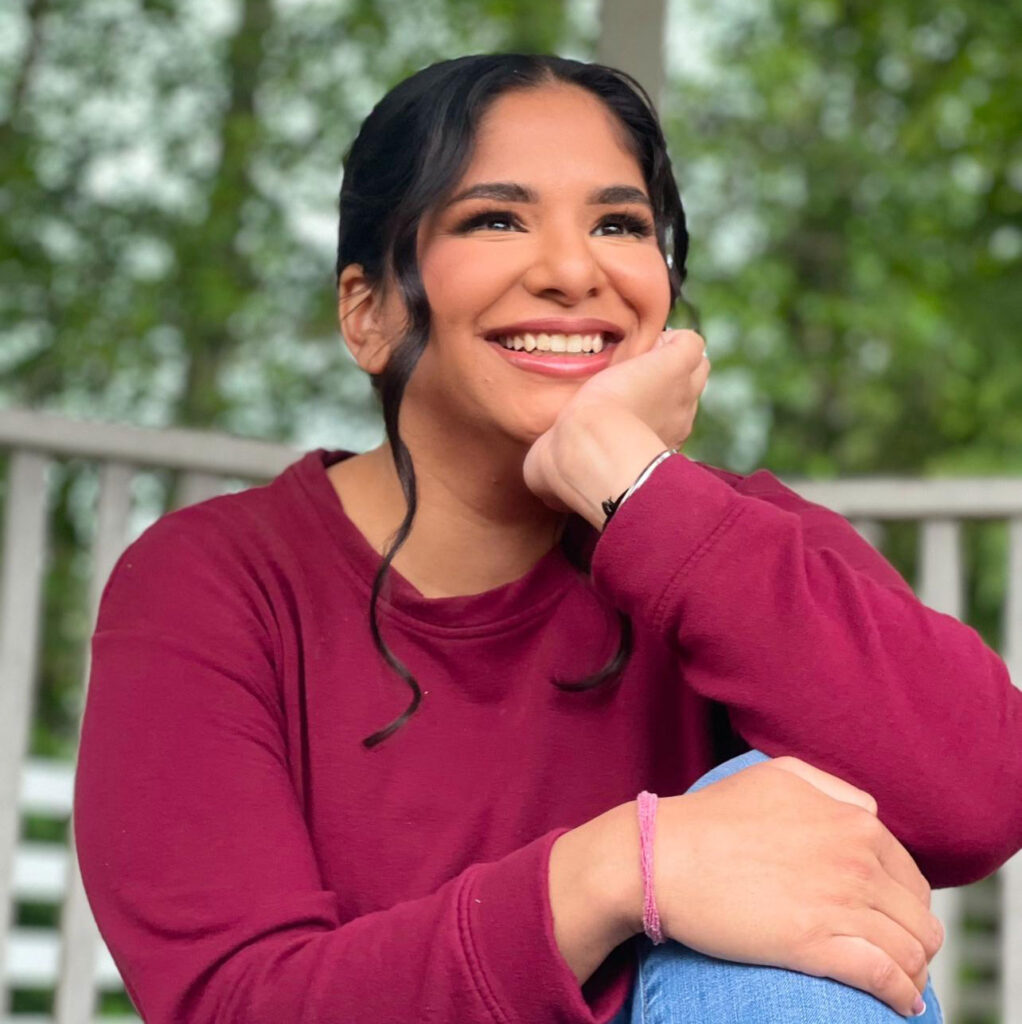
Harkirat Kaur
As a graduate student majoring in Community Health & Social Justice, Harkirat Kaur aims to use storytelling as a bridge between communities and decision makers.
“A lot of the youth out there, even if they want to get help, are faced with a system that is really hard to navigate.”
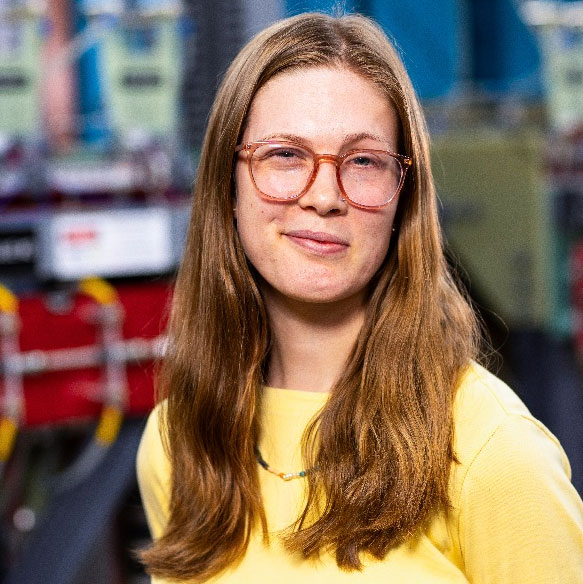
Eirene Fudenna
From a medical crisis to financial fear, Eirene Fudenna’s journey to public health was a personal one.
“It is clear that health care in the U.S. has to be stripped down to its bones and rebuilt with well-being for all in mind.”
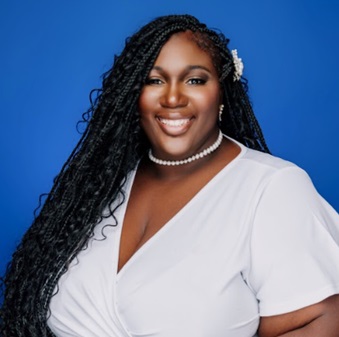
LaNiqua Bell
After the death of her son, LaNiqua Bell wants to prevent future mothers from suffering the same fate by advocating for equity in health care.
“From the beginning, my work has always been about giving access to people who don’t have it and helping to level the playing field.”
Explore the personal stories of CHSJ alumni:
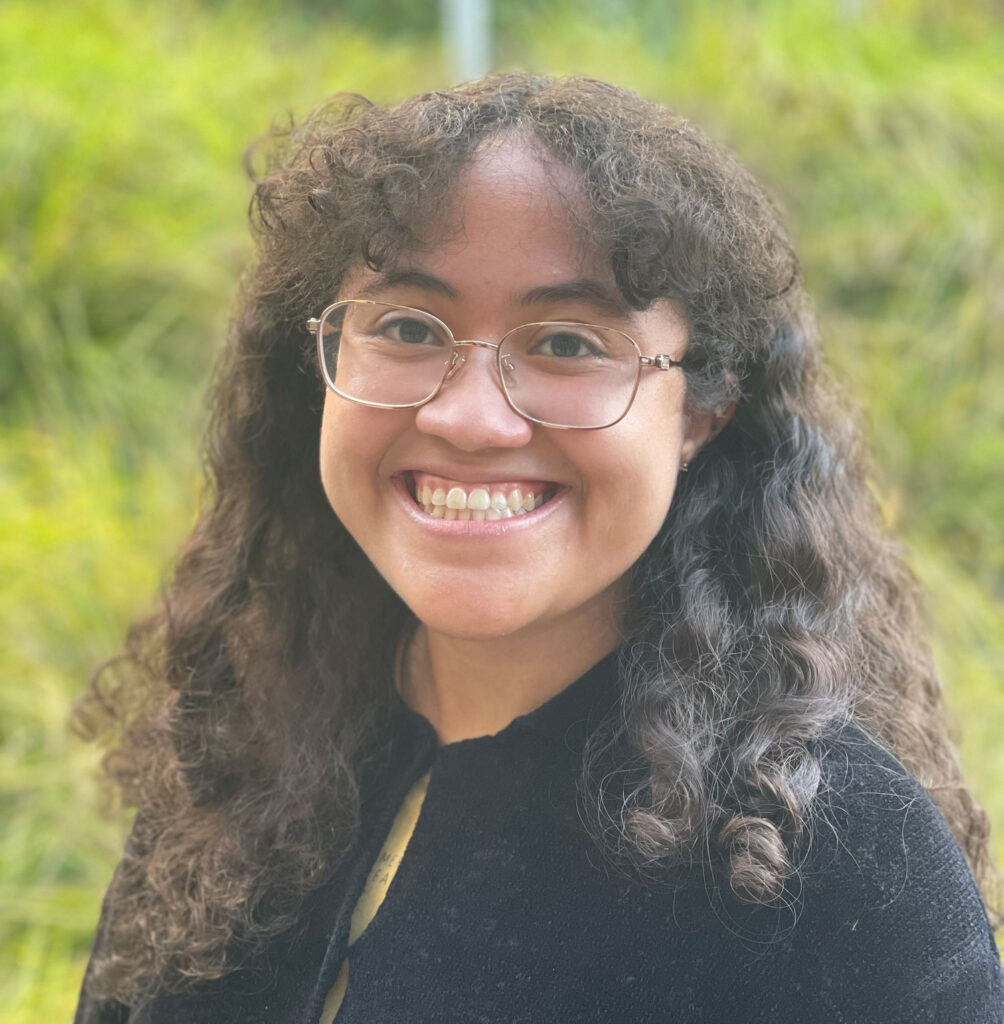
Jacqueline Richards
Richards graduated from the UW Bothell with a master’s degree in CHSJ. From selecting classes to pursuing research opportunities, her experiences were the driving force behind everything she did, including a fellowship with the UW’s Latino Center for Health.