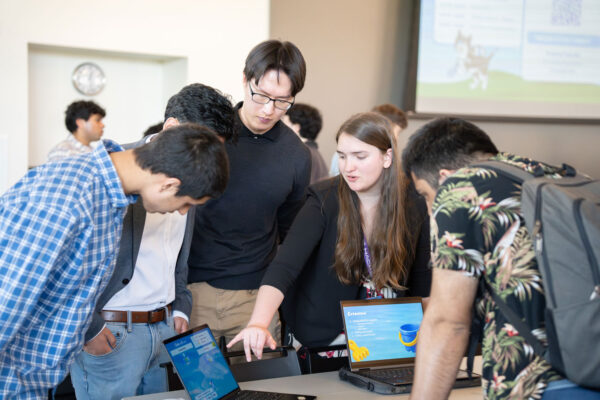
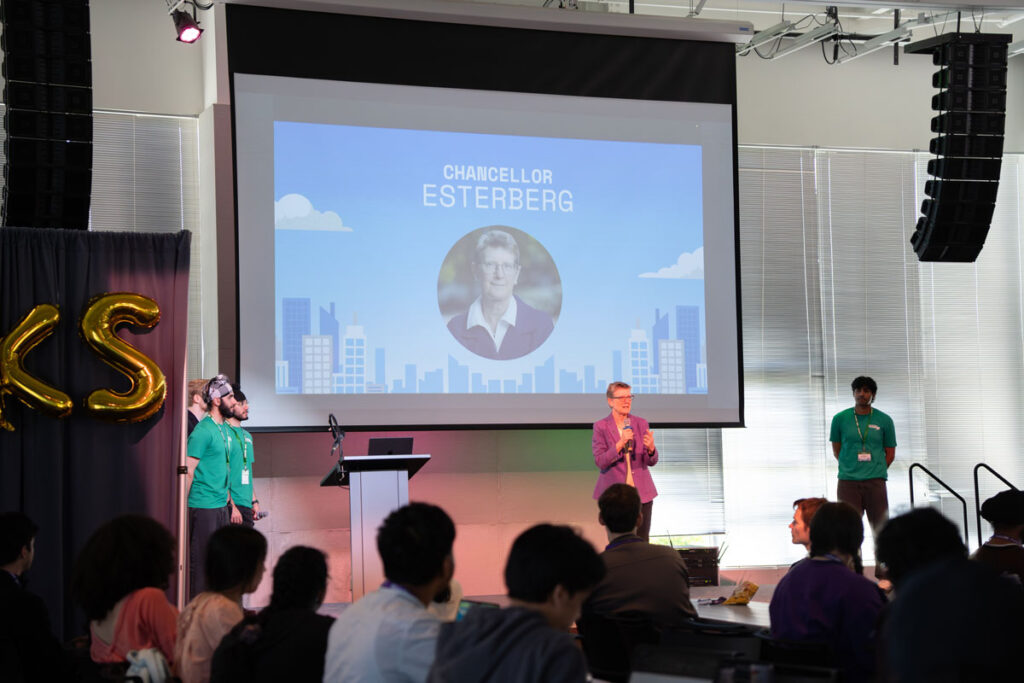
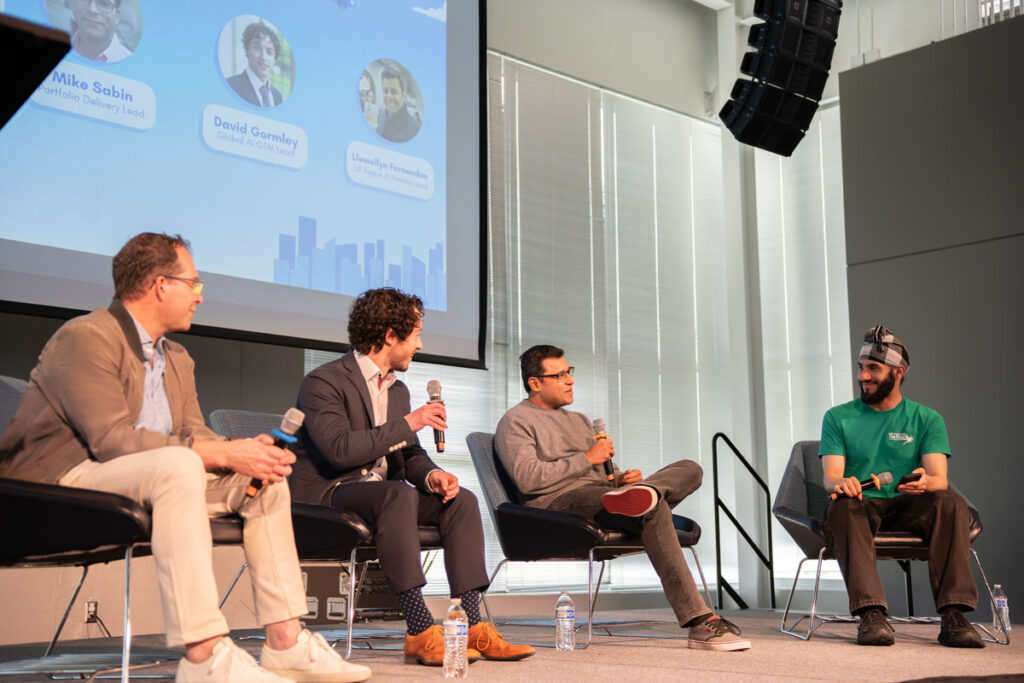
One of the biggest student-led events of the year at the University of Washington Bothell is the annual hackathon, where students are challenged to put their minds together in teams to build something new around a central theme.
For the 2026 “UWB Hacks: The Future” event — which marked the 10th anniversary since the first campus hackathon — participants took on the role of visionary innovators to shape the world of tomorrow through creativity, technology and collaboration.
“What makes hackathons such a great format is they can cater to a large audience,” said Jonah Uellenberg, a senior majoring in Computer Science & Software Engineering. “You’ll have people who want to leave with a cool project, others who enjoy the competition and meeting new people, and those who want to network and learn something new through a workshop — and it all comes together in a single event.”
The hackathon attracted more than 310 attendees from 13 colleges and universities, ranging north to the University of British Columbia near Vancouver, Canada, down south to the University of Southern California in Los Angeles and as far east as Northeastern University in Boston.
From an app that protects against attacks from AI agents to a browser extension that shows the estimated carbon footprint of online purchases, students completed 70 projects over the course of a three-day weekend.
Led by students
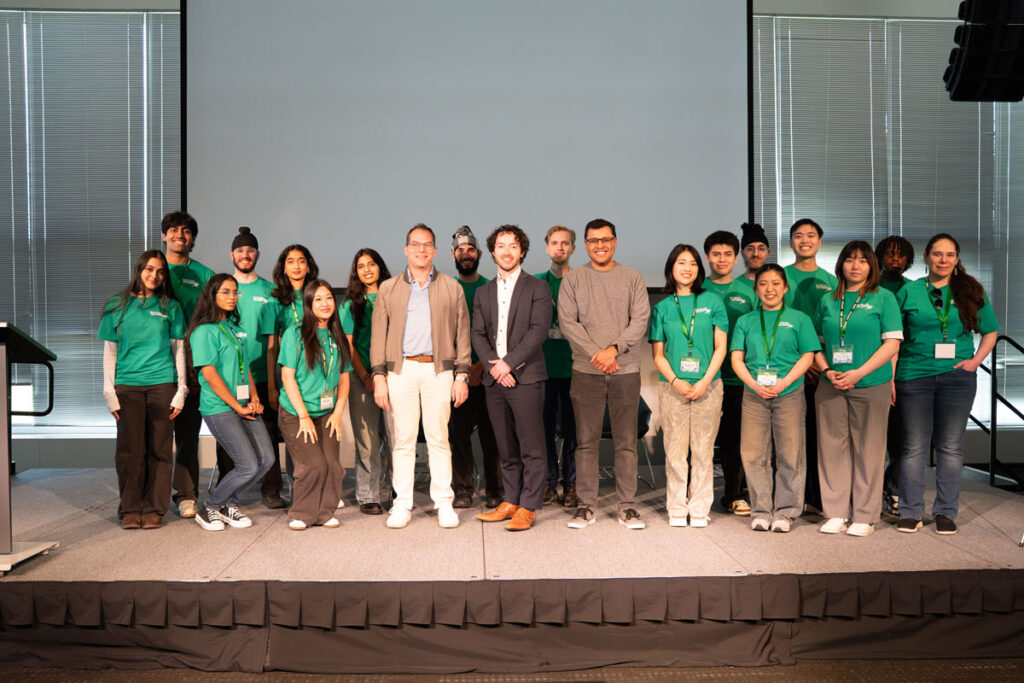
About 20 students served on the organizing team, planning a full eight months out from the event. As president of the Association for Computing Machinery at UW Bothell, the club that first started the campus hackathon, Uellenberg was one of this year’s lead organizers.
“I want to highlight that UWB Hacks is entirely student-led, and I’m proud of what everyone has been able to accomplish,” he said. “I’ve had so much fun working with and learning from everyone who helped make this hackathon a success. They’re such incredibly talented people who have poured their time into UWB Hacks alongside their classes.”
Student teams submitted projects across three tracks: Cities & Societies, Human Experience and Avanade Business Solutions (sponsored by longtime hackathon community partner, Avanade). Winners in each track were able to select from a curated set of prize options with a total value of up to $2,400.
One of Uellenberg’s favorite projects was Gridlock, a spatial simulation platform that helps city planners untangle transit networks and predict foot-traffic dispersion. It was a finalist for the Cities & Societies prize.
“As someone who frequently rides the light rail, this is near and dear to my heart, and it’s wonderful seeing students combining mathematical modeling with visualizations that are accessible to those without that background,” he said. “Bridging this gap is critical for officials to make informed decisions, and this project executed it exceptionally.”
Protecting children
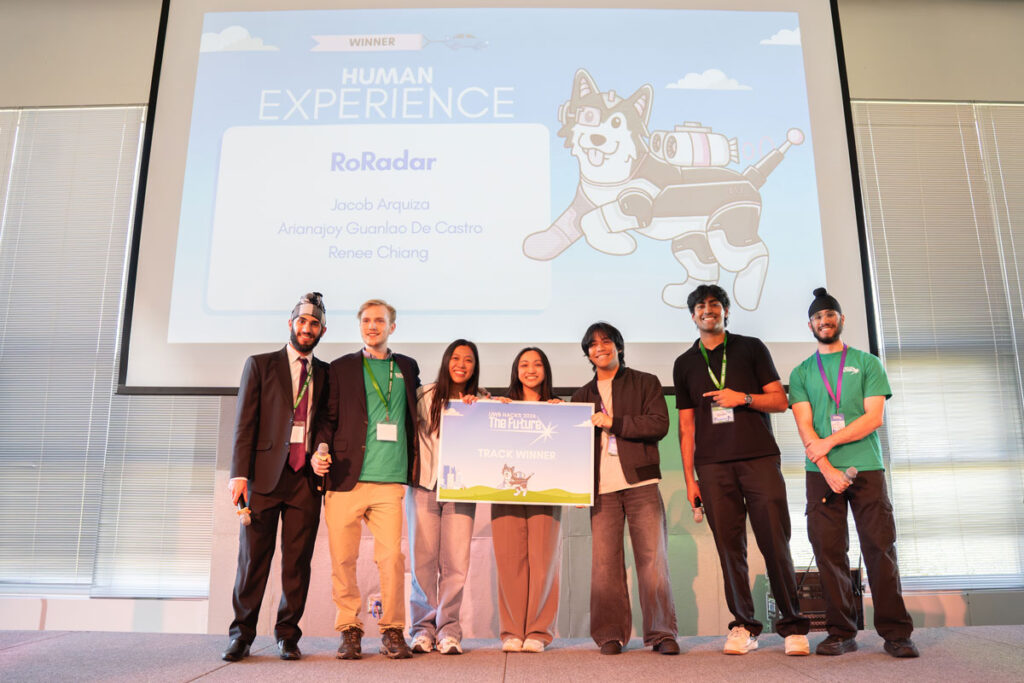
The Human Experience track’s winning project was RoRadar, a tool to help combat online child grooming and predation on Roblox, a popular online gaming platform. RoRadar lets parents access their children’s Roblox activity to view connections and experiences marked as suspicious.
“I knew talking about child safety could be a good topic,” said Arianajoy De Castro, a UW Bothell sophomore majoring in Applied Computing who was on the winning team. “All three of us had been super into Roblox as kids, but we knew there had been a lot of stories of creeps taking advantage of children.”
According to Roblox, those younger than 13 account for 35% of age-checked daily active users, while another 38% are ages 13 to 17. “After looking into it deeper, we realized how big the problem actually was and noticed that Roblox had done little to nothing to combat it,” she said. “That’s how RoRadar came to be.”
The app provides parents with a structured snapshot of public risk signals for the accounts it screens — flagging things such as suspicious friends and games tied to unsafe social environments — and then generates an overall profile score with results broken down into explainable factors.
“I want to become a project or product manager who overlooks specific applications and their processes,” De Castro said. “This project was the perfect way for me to gain some experience with developing a product and managing how exactly to present it to judges.”
Scanning for damage
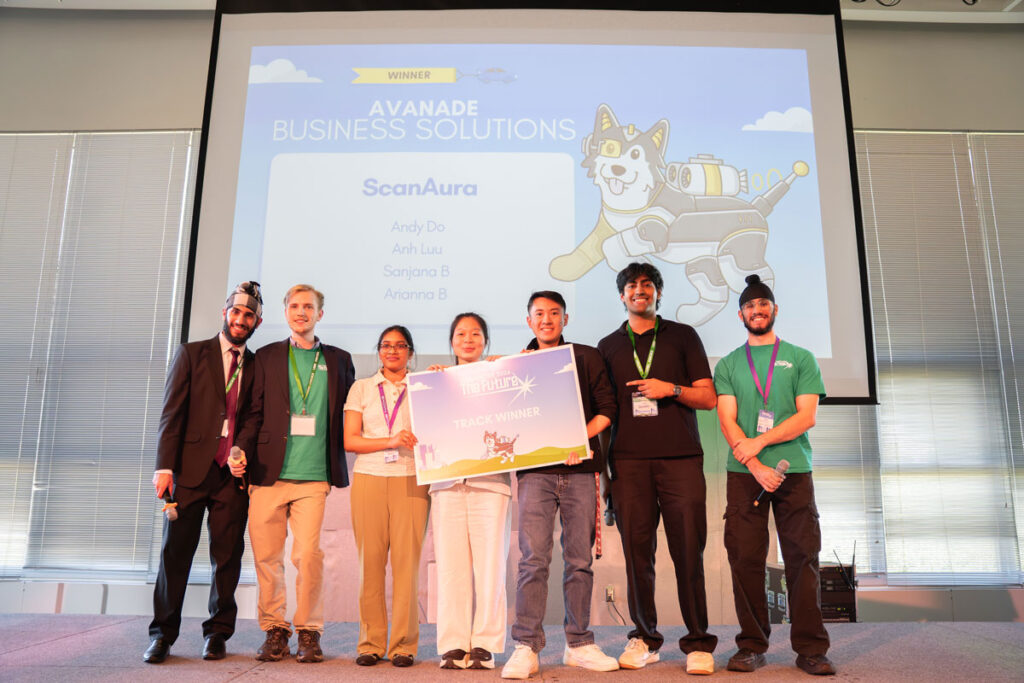
In the Avanade Business Solutions track, the team that created ScanAura took home the prize. The dual-sided infrastructure scanning platform allows both personal users and business professionals to find structural damage to homes and buildings through different scanning functions.
Users can choose between four different scanning types: terahertz, hyperspectral, thermal infrared and a comprehensive scan that combines all methods into one full diagnostic report. Each scan detects different types of structural issues such as hidden moisture, material degradation, heat loss and surface or internal damage.
“This project helped me learn how to work under pressure and work with something new and unfamiliar,” said Andy Do, a UW Bothell senior majoring in Business Administration with a concentration in Management Information Systems and a minor in CSSE. “Pitching your ideas and findings to stakeholders is also another skill that’s going to be very useful for my future career because it’s hard to make it understandable to someone who’s never heard of certain terms.
“Being confident during a pitch is a challenge,” he said, “but the hackathon helped me learn to be more confident when presenting.”
The Cities & Societies track winner was Coco — an AI-powered voice companion that provides tech support for seniors — developed by a team from the University of California, Berkeley.
“Being confident during a pitch is a challenge, but the hackathon helped me learn to be more confident when presenting.”
Andy Do, senior, Business Administration
Better together
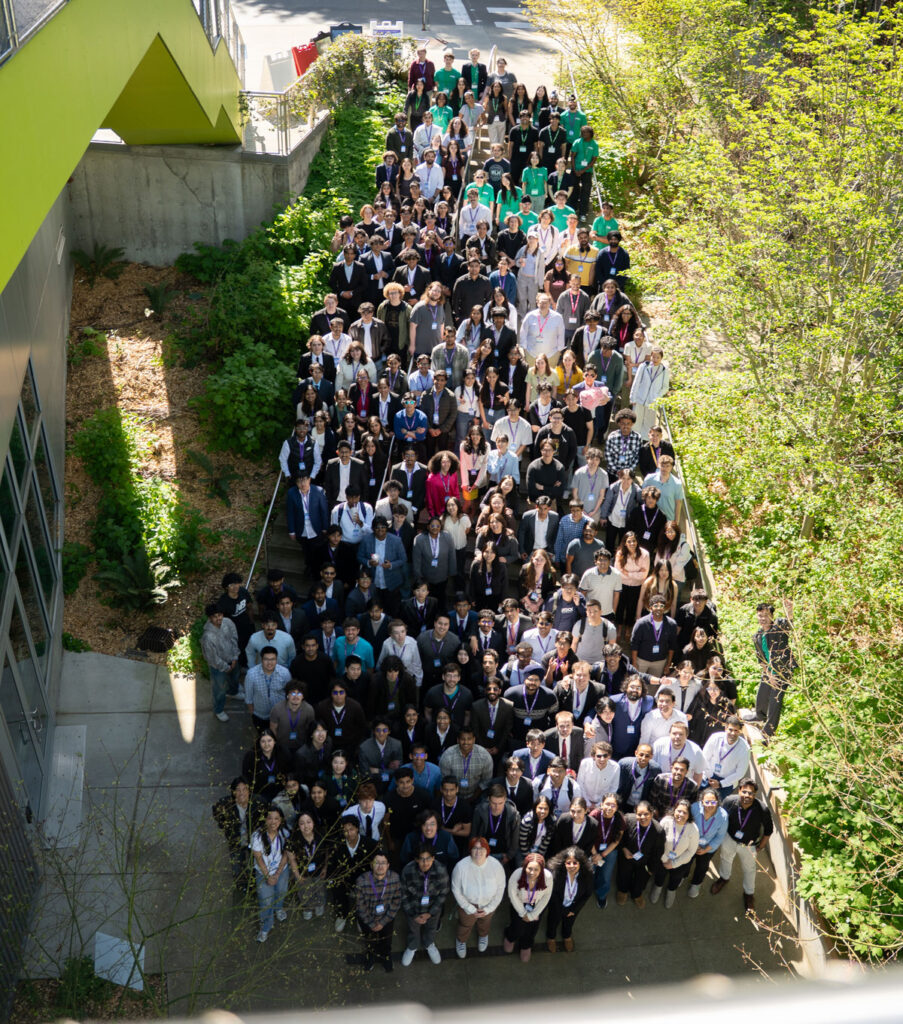
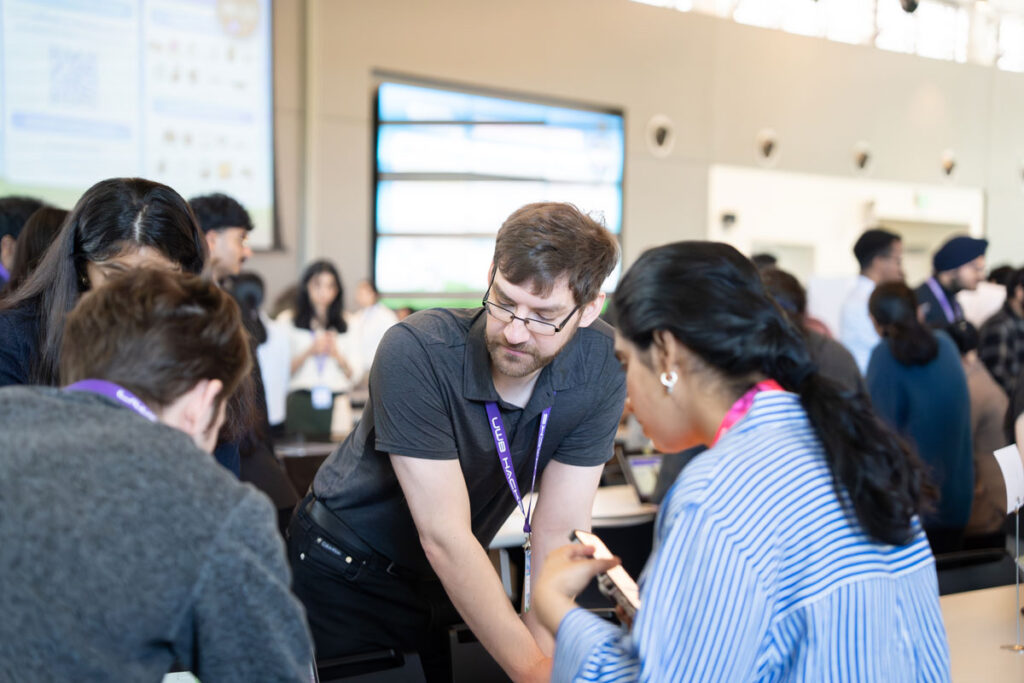
The annual hackathon is open to all majors, both to encourage newcomers and to invite cross-major collaboration that represents real-world projects across industry. The event attracts students from all five schools at UW Bothell, and their level of teamwork is evident in the range of projects submitted — blending elements of business, science, health, sustainability and so much more.
“For me, attending a hackathon is less about the project itself and more about the opportunity to work with my friends under a bit of a time crunch,” Uellenberg said. “I’m lucky to have had the chance to work with all the amazing people in the organizing team.”
A full list of this year’s projects can be found on the hackathon website.
UW Bothell and Hackathon organizers would like to thank the following sponsors: Avanade, PepsiCo, Starbucks, WSECU, Club Council and the Services & Activities Fees Committee.