Dr. Nathanie A. Lee: Turning Learning Theory into Teaching Practice at UW Bothell
A lifelong commitment to students & educators
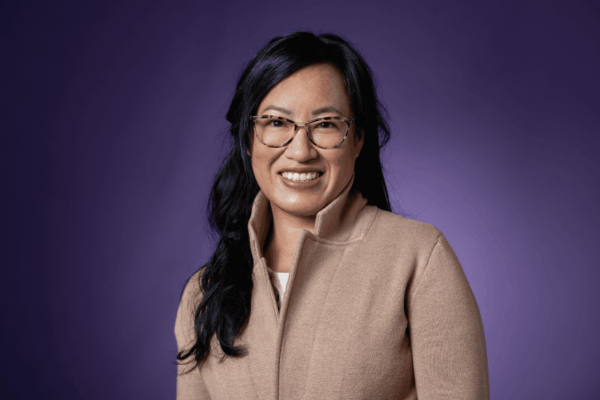
Dr. Nathanie A. Lee, Assistant Teaching Professor in the School of Educational Studies at the University of Washington Bothell, has dedicated her career to advancing equity in education and supporting a diverse teaching workforce. She began her career as an elementary school teacher, where she taught for ten years before pursuing her doctorate in Learning Sciences and Human Development at the University of Washington.
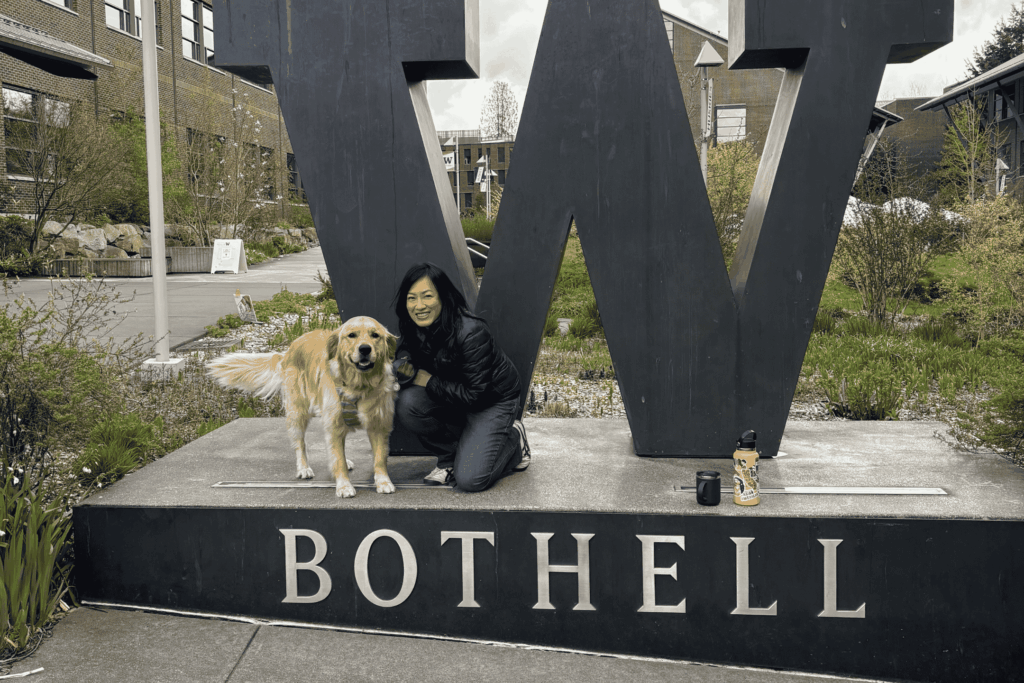
With over two decades of experience, she brings a practitioner-informed perspective to her scholarly work and teaching. Her classroom experience continues to shape her work as a scholar and educator, grounding her commitment to preparing future teachers who understand how racialized identities and complex social and cultural factors influence learning, and to examining the structures and supports that empower students and teachers to thrive.
Teaching for real-world impact
In her courses, Dr. Lee guides future educators in examining how learning is shaped by culture, identity, and community. She cultivates reflective practice, encouraging students to consider how their own identities influence their teaching and how they can engage thoughtfully with the diverse communities they will serve.
Her teaching emphasizes the connection between theory and real-world application, helping students translate developmental and learning theories into meaningful classroom practices. Beyond the classroom, Dr. Lee contributes to program and curriculum development at UW Bothell, designing and teaching two courses for the recently added Developmental & Youth Studies major, both of which partner with the Office of Connected Learning to facilitate community engagement.
Scholarship that informs policy & practice
Dr. Lee’s research examines how racialized identities shape teaching, learning, and family engagement, investigating the experiences of teachers of color across the educational pipeline and examining how non-dominant families motivate and support children academically. Her work brings forward the structural and cultural conditions that shape educator development and school–family relationships.
Her scholarship includes peer-reviewed publications and invited contributions on teacher learning and identity formation. Her forthcoming chapter, “If learning is a social endeavor, why am I doing this alone?: Teacher educator learning from a racialized perspective,” explores how educators engage their identities in professional learning. This upcoming addition to her impressive scholarly portfolio builds on her dissertation research that analyzed how early-career teachers of color navigate institutional contexts, offering insight into persistent challenges in teacher preparation and retention.
Across her research, Dr. Lee centers voice, context, and equity, contributing scholarship that informs both policy and practice aimed at sustaining a diverse educator workforce.
Shaping the future of teaching
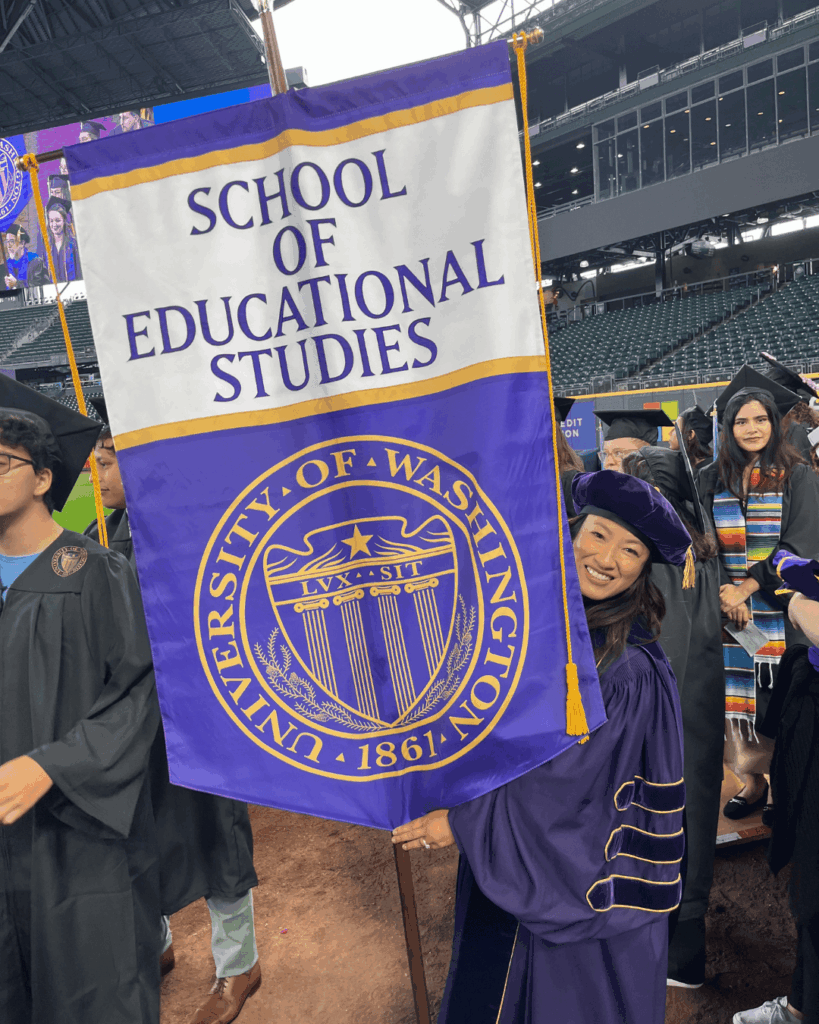
Beyond her research, Dr. Lee advances initiatives that strengthen pathways into teaching for individuals from underrepresented communities. Her work aligns with efforts such as the recent $1.5 million gift to UW Bothell to expand access to educator preparation, which led to the creation of the Washington Education Association Fellows Program. As faculty lead, Dr. Lee helps guide the program’s mission to diversify the teaching profession while developing strong classroom leaders and advocates.
Dr. Lee also contributes to the broader educator community through speaking and service. She recently served as a guest speaker at the Everett Public Schools Affinity Group Gathering for BIPOC teachers, paraeducators, and white allies, where she shared her journey as a teacher and professor of color. She has also participated as a faculty panelist highlighting inclusive and equitable teaching as a core element of effective practice.
At UW Bothell, Dr. Lee continues to inspire students, educators, and colleagues through her commitment to equity and her expertise in creating supportive educational environments. Her work demonstrates how research-informed teaching and advocacy can advance a more just and inclusive future for the profession.