Meet CoSEE’s newest internship cohort
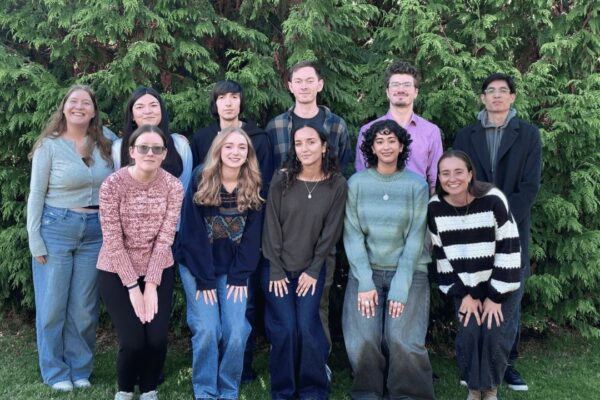
As CoSEE welcomes its 2026-27 Term 1 interns, we’re excited to begin a new year of learning, collaboration and community engagement.
This fall’s cohort includes 12 undergraduate interns and four high school interns working across five pathways: Geographic Information Systems (GIS), Invasive Species and Restoration, Native Plants and Community Engagement, Environmental Education, and Social Media and Communications. Students bring a wide range of interests, experiences and academic backgrounds, creating opportunities for both specialized project work and cross-disciplinary collaboration.
Throughout the term, interns will build new skills, contribute to ongoing CoSEE initiatives and work alongside community partners on projects that support ecological restoration, environmental education and public engagement.
Environmental Education Pathway
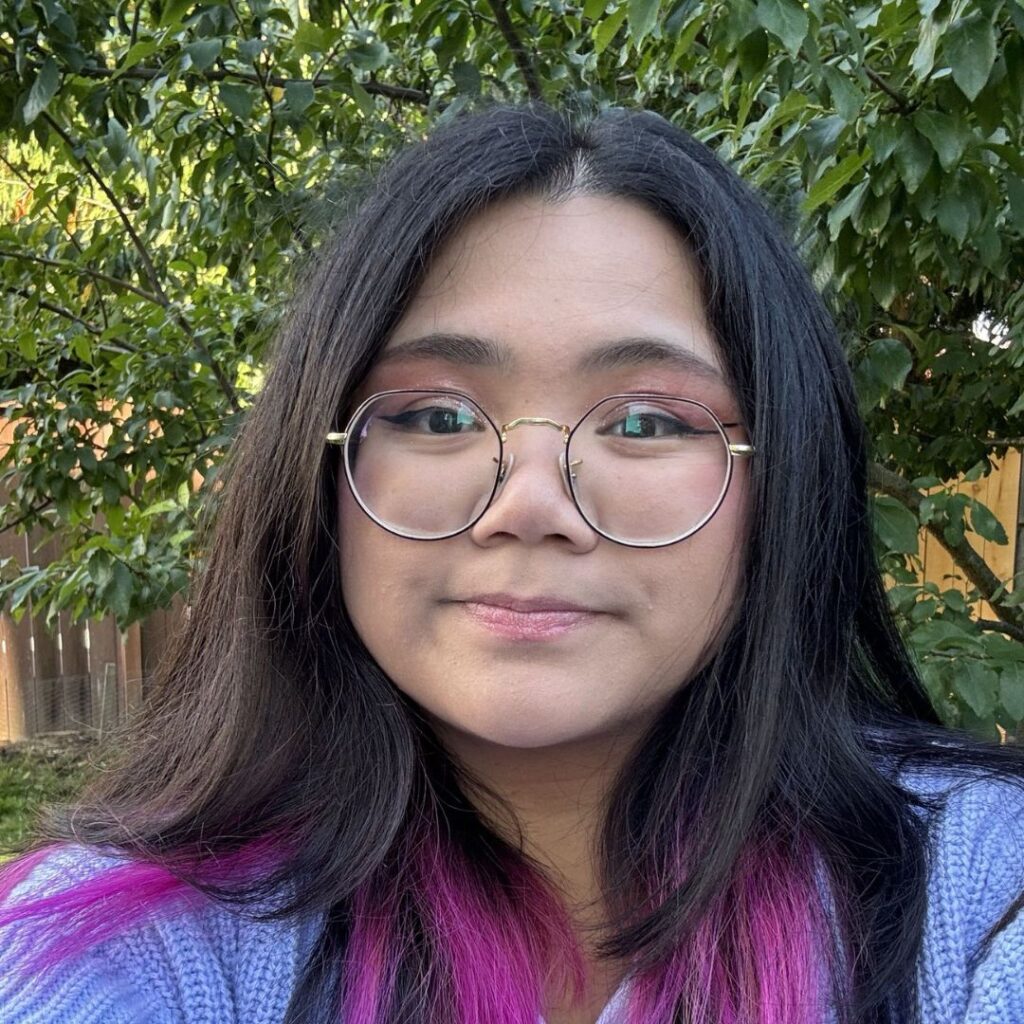
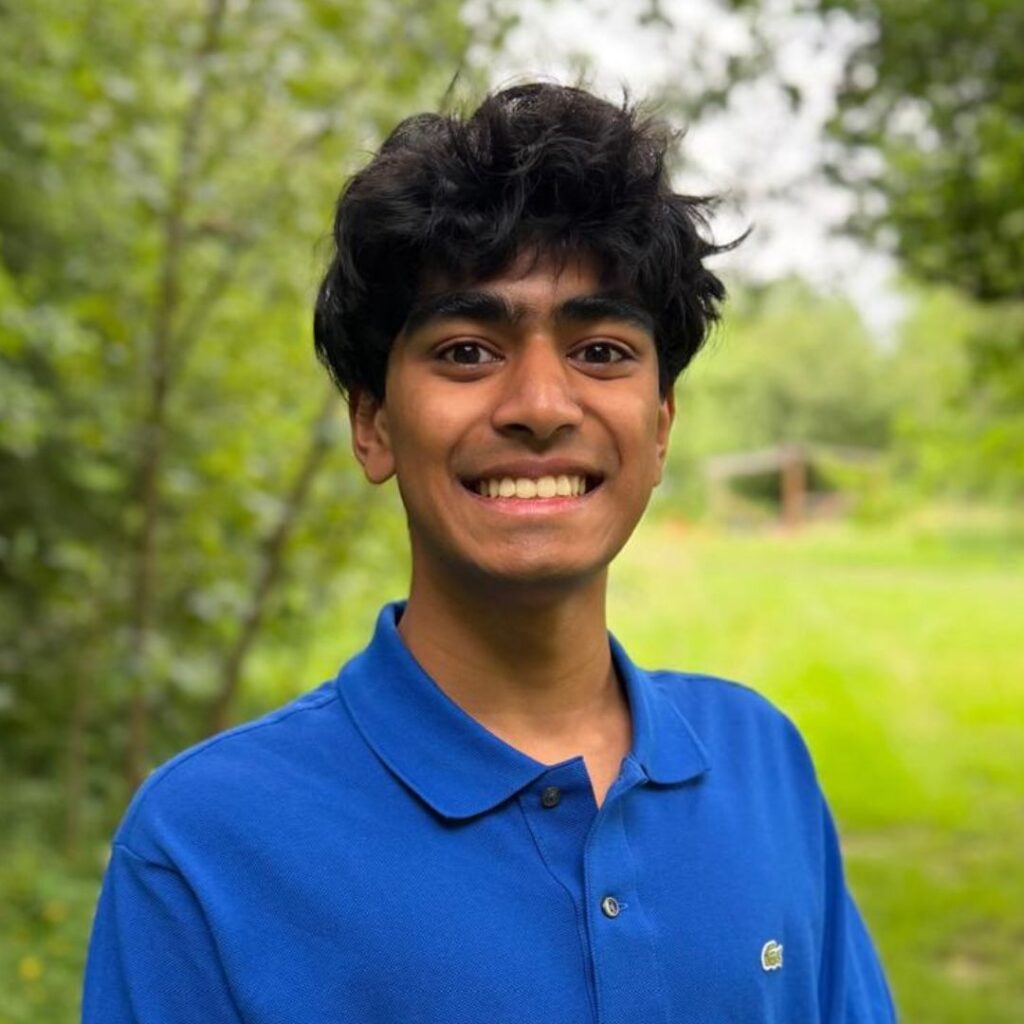
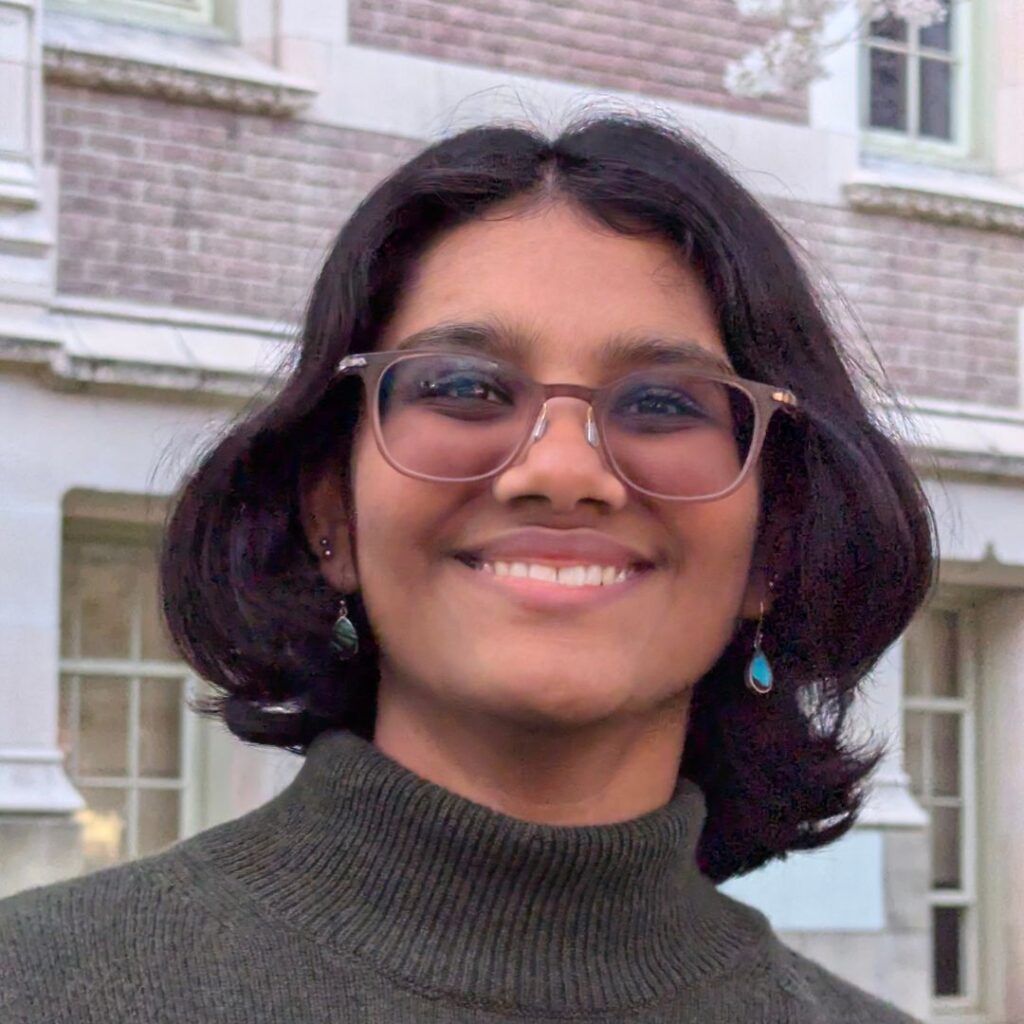
Interns in the Environmental Education pathway help create inclusive learning experiences through storytelling, educational resource development and public programming. Their work focuses on making environmental education accessible to people of all ages and abilities.
This term, interns will continue expanding CoSEE’s Adaptive Library and help test adaptive books in classroom settings. They will also support environmental education programs in collaboration with community partners including Trout Unlimited and OneBothell.

Geographic Information Systems (GIS) Pathway
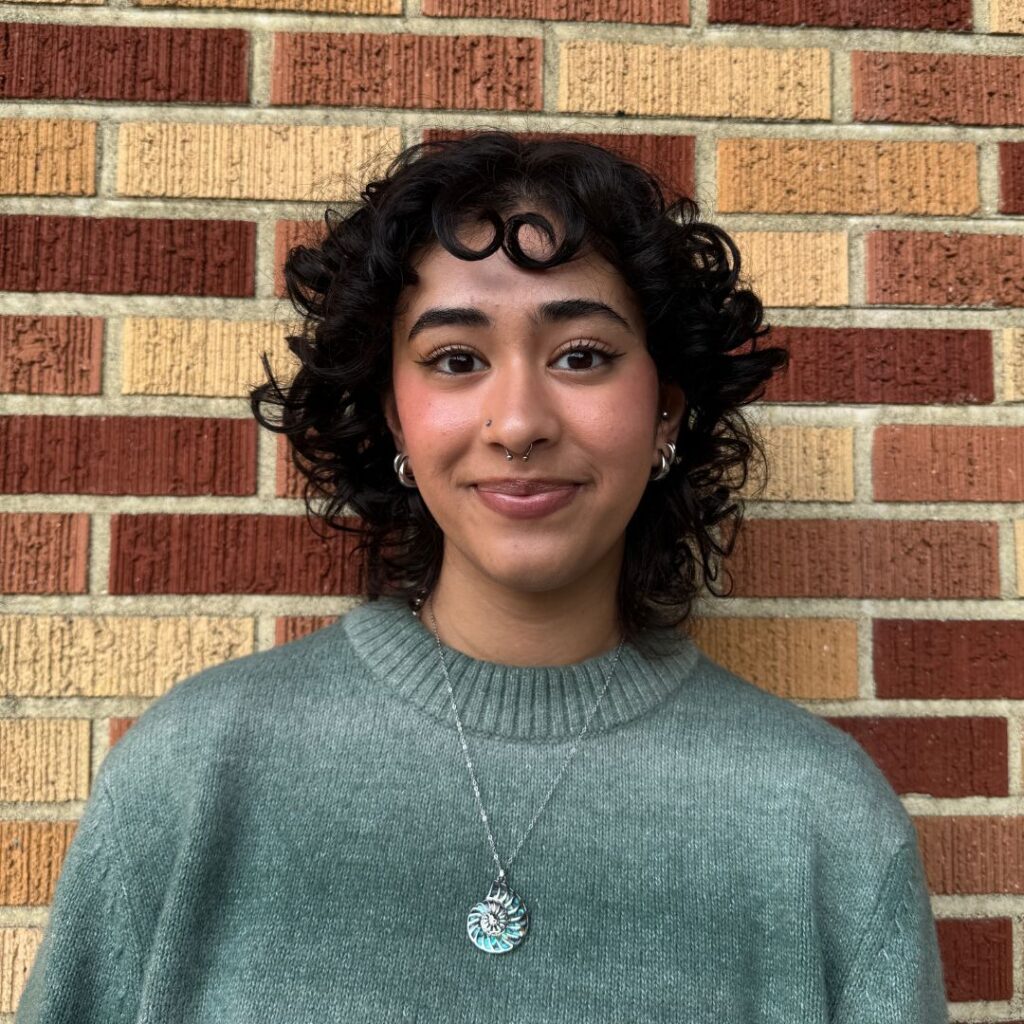
The GIS pathway introduces students to mapping, ecological monitoring and restoration planning. Interns develop technical skills while supporting conservation and stewardship efforts.
This term’s projects will focus on mapping priority invasive plant species at Saint Edward State Park, including English holly, cherry laurel and Himalayan blackberry. The data interns collect will help inform restoration planning and management efforts.
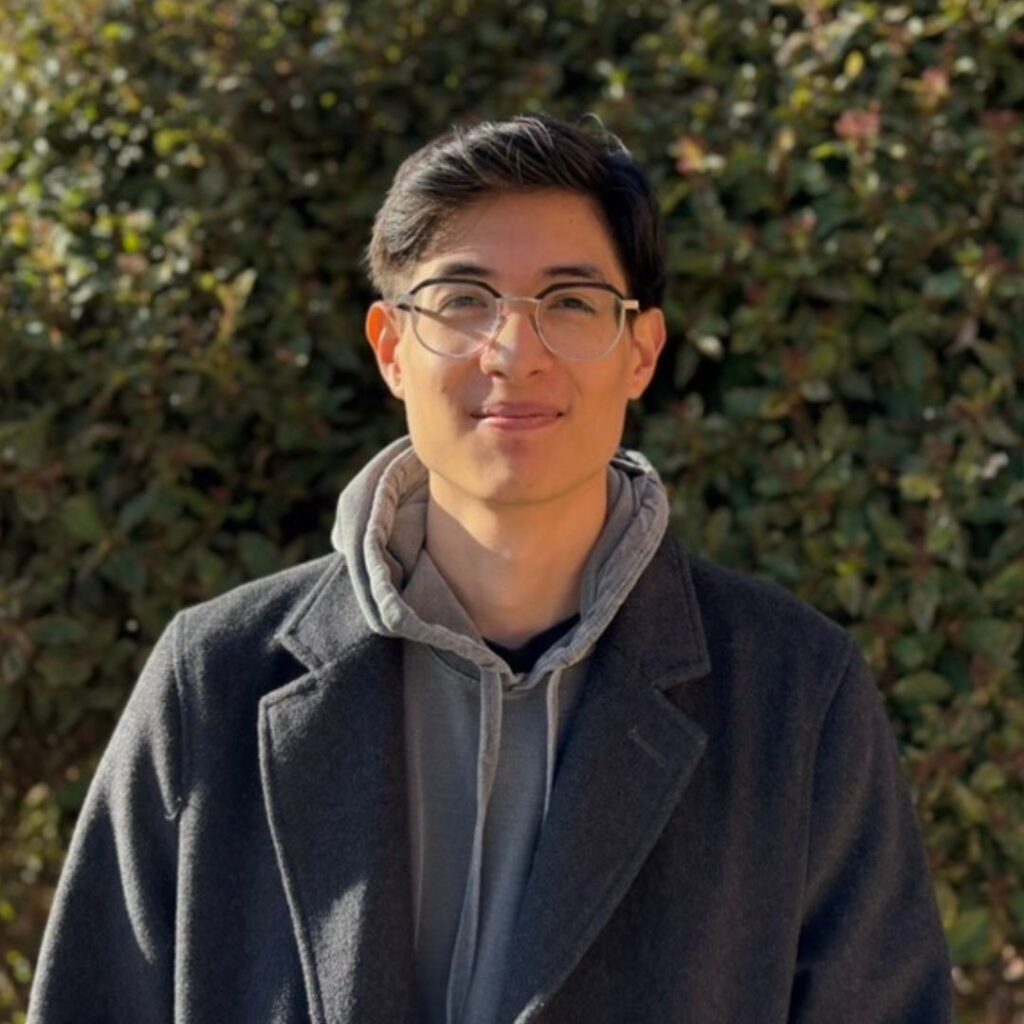
Invasive Species Pathway
Interns in the Invasive Species and Restoration pathway support efforts to protect and restore native ecosystems. Through fieldwork and community engagement, they help manage invasive species and contribute to long-term restoration goals.
Projects this term may include invasive plant removal, restoration site monitoring and reporting, and co-leading community restoration events with Washington State Parks and Friends of Saint Edward State Park.
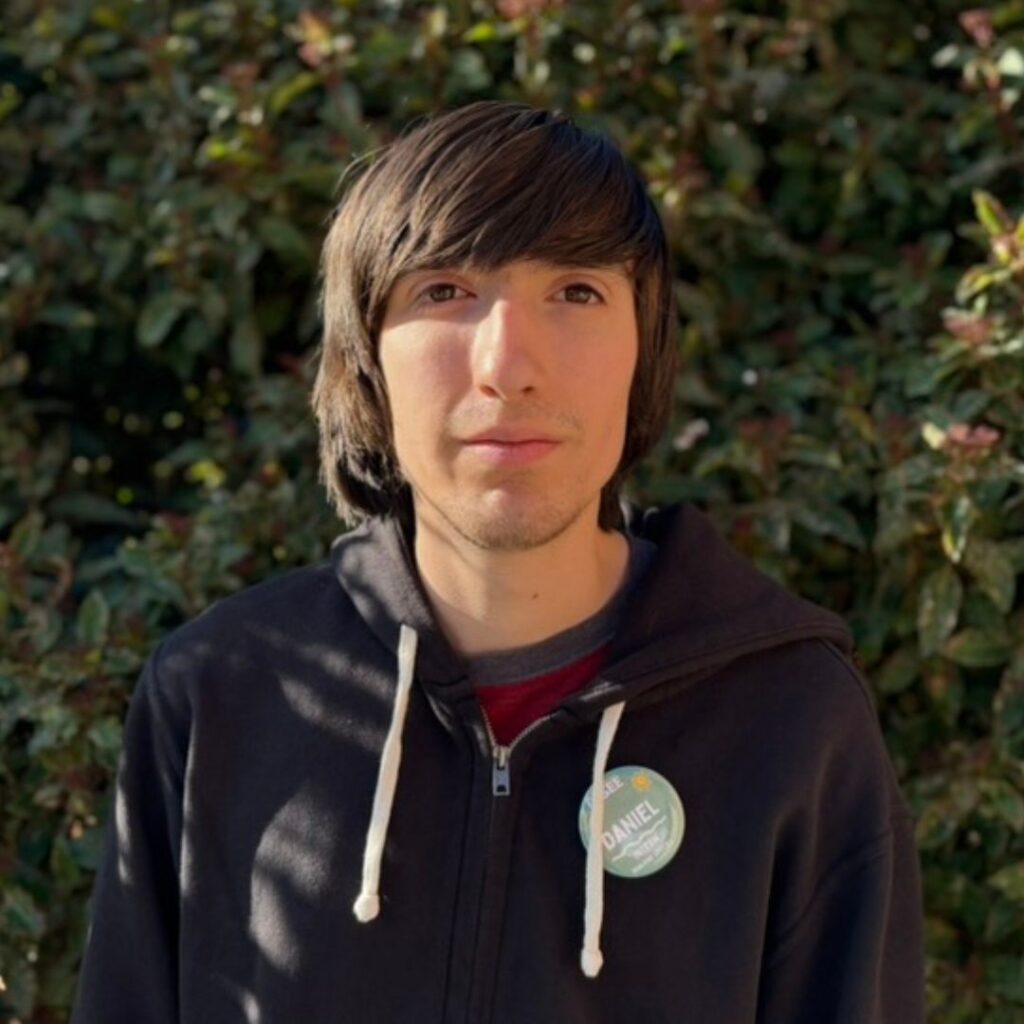
Native Plants Pathway
The Native Plants pathway focuses on sustaining and expanding the Native Plant Learning Garden at Saint Edward State Park. Interns work alongside CoSEE staff, Washington State Parks and community partners to maintain the garden and support public education about native plant conservation.
Projects may include caring for native plantings, removing invasive weeds, mapping species throughout the Native Plant Learning Garden and EERC patio planters, and developing educational materials that help visitors learn about the garden and its role in supporting local ecosystems.
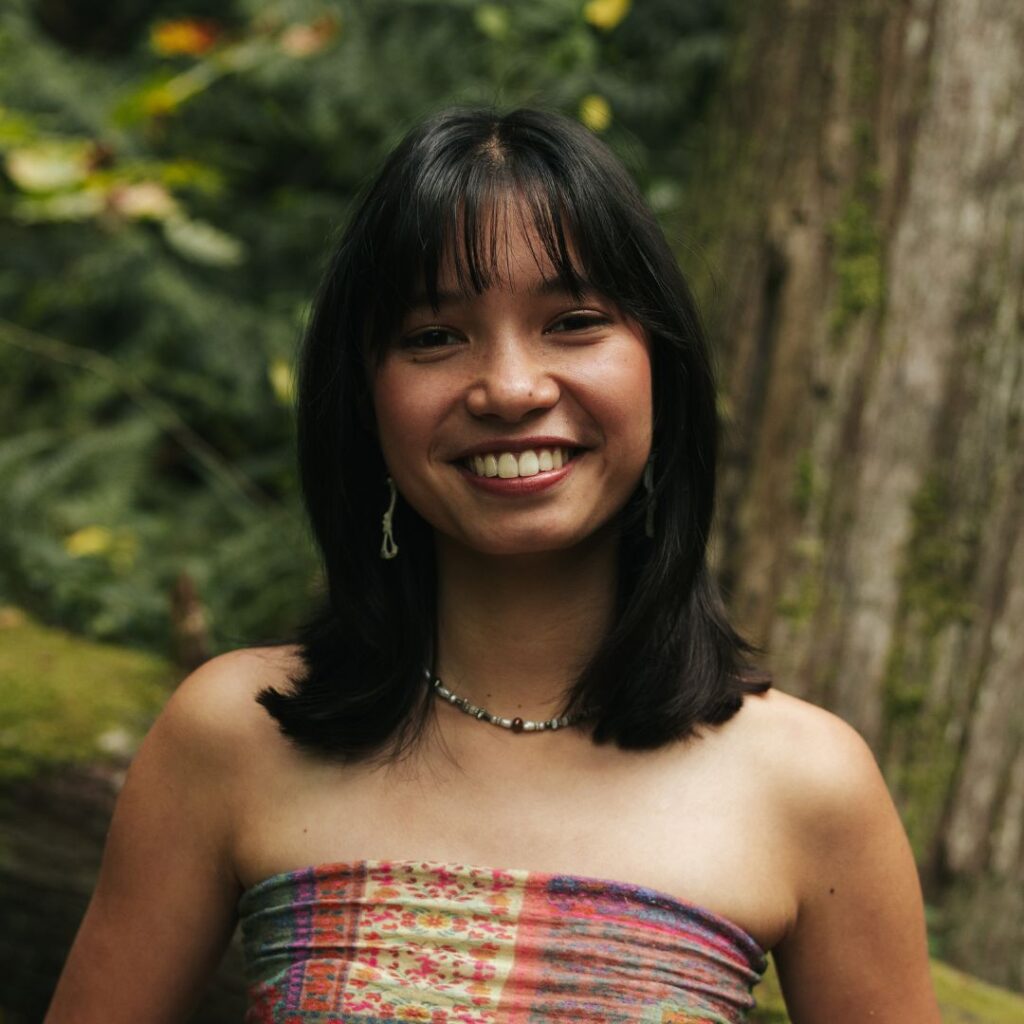
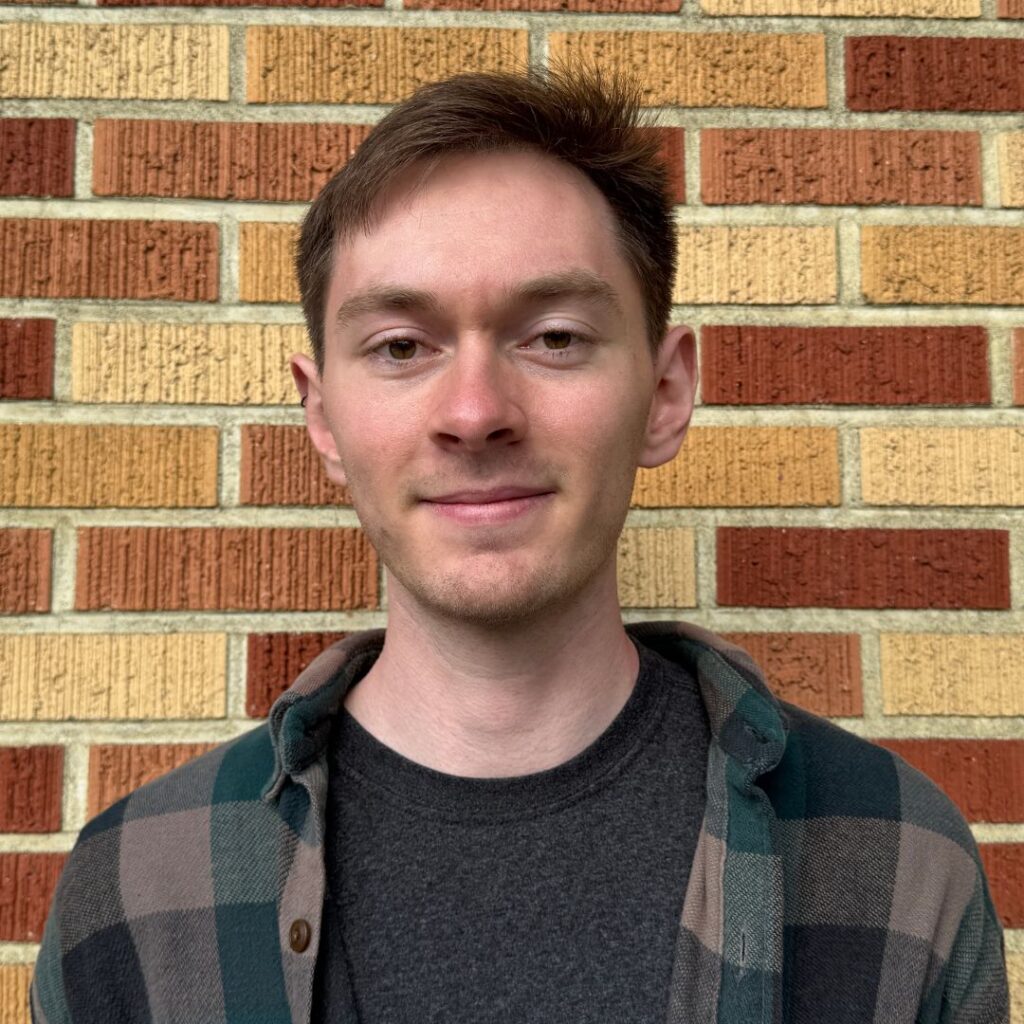
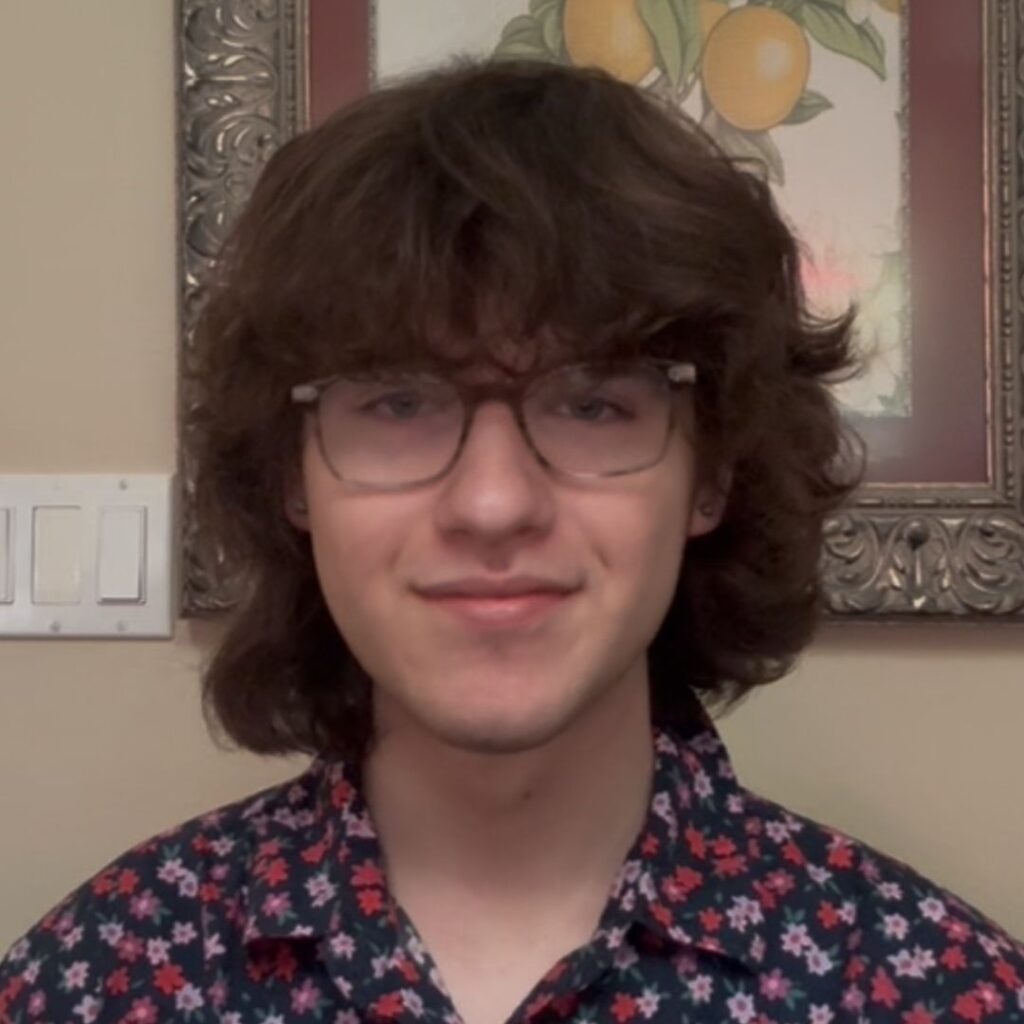
Social Media Pathway
Interns in the Social Media and Communications pathway help tell the stories behind CoSEE’s programs, partnerships and projects. Through digital storytelling and outreach, they connect community members with ongoing environmental initiatives and learning opportunities.
Their work may include creating content for Instagram, YouTube and other digital platforms, as well as supporting newsletters, blog posts, photography, videography and graphic design projects.
An evolving program
One of the strengths of CoSEE’s internship program is its ability to bring together students from a wide range of academic disciplines and career interests. Some interns arrive with extensive experience in environmental work, while others are exploring the field for the first time. That mix of perspectives helps create a richer learning environment and strengthens the projects we undertake together.
We’re also grateful for the many community partners who make these experiences possible by providing students with meaningful opportunities to apply their learning beyond the classroom.
We’re especially excited to see continued growth in the Environmental Education pathway. This term, eight students will be working alongside partners including Trout Unlimited, OneBothell and the Alyssa Burnett Adult Life Center to support environmental education programming and increase access to outdoor learning opportunities.
As the term gets underway, we look forward to seeing these projects take shape and to sharing more about the accomplishments of our 2026-27 Term 1 internship cohort throughout the year.