Professional learning series for inclusive environmental education
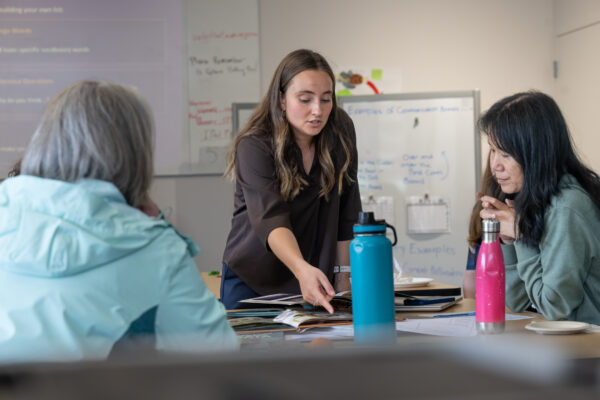
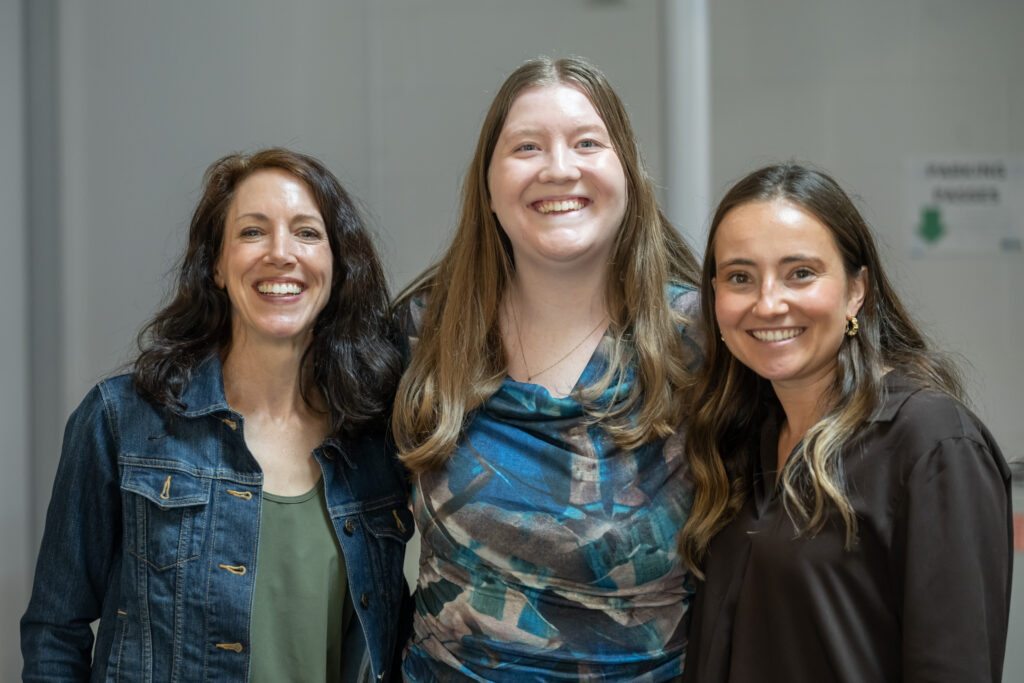
This past weekend, educators from Tacoma to Bellingham gathered at CoSEE to explore how to bring literacy and socio-ecological learning to students with diverse support needs in K–8 classrooms.
Students receiving special education services are often left out of STEM, outdoor, and science learning. The CoSEE Adaptive Library Initiative focuses on practical ways to change that. The educators in the room came to learn how.
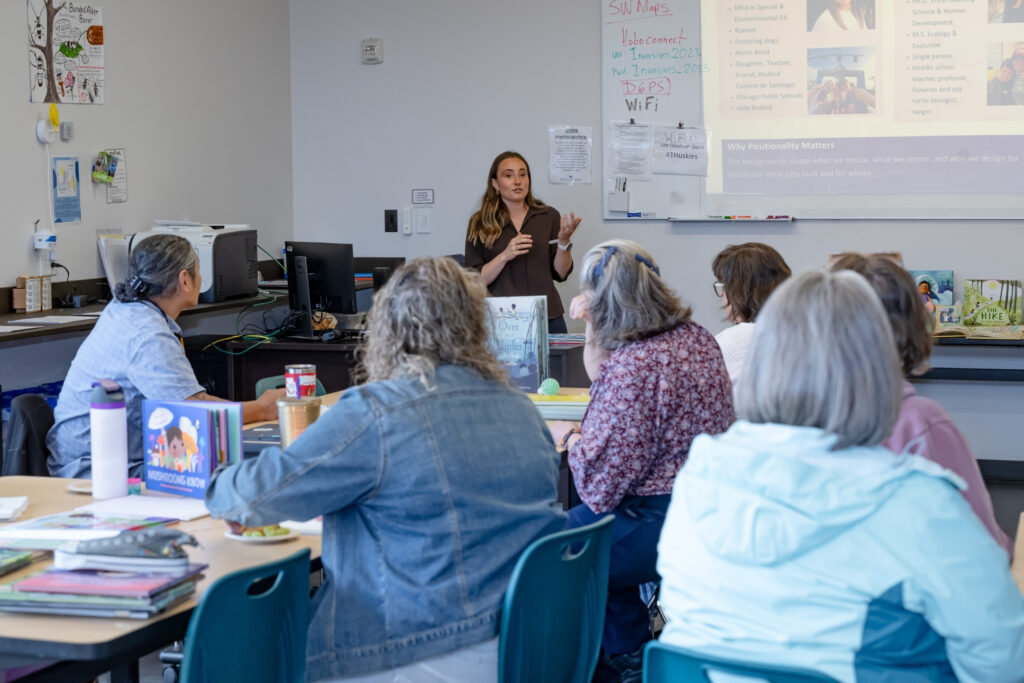
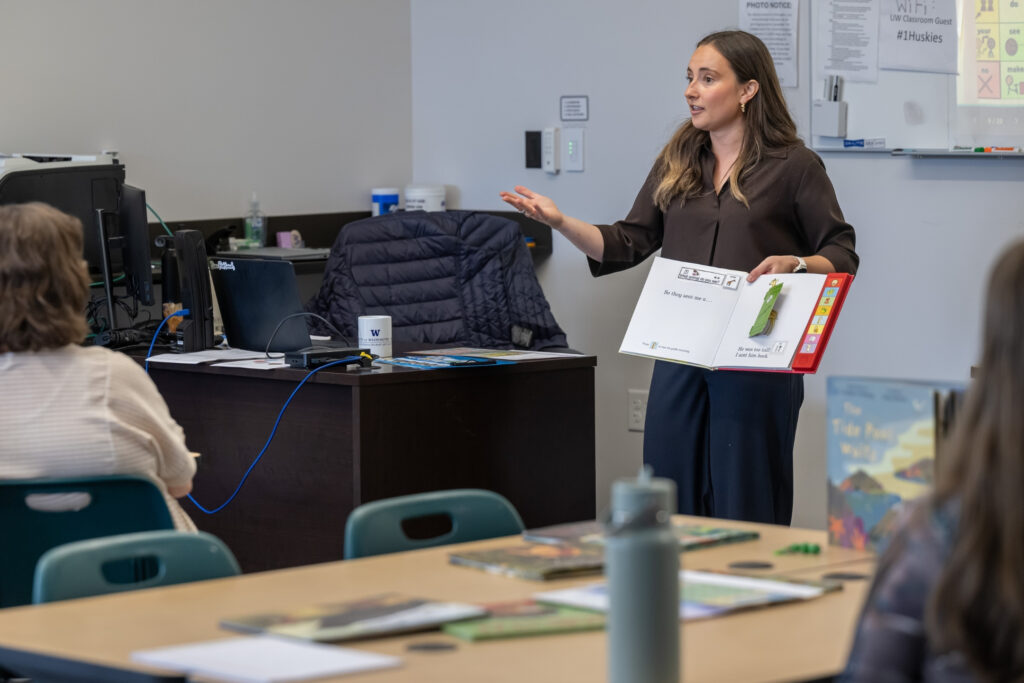
What an adaptive book makes possible
The idea is simple: when a child has the language and tools to engage with a story, they can participate. They notice, name, and respond. They begin to take part in conversations about ecosystems, rather than just listening to them.
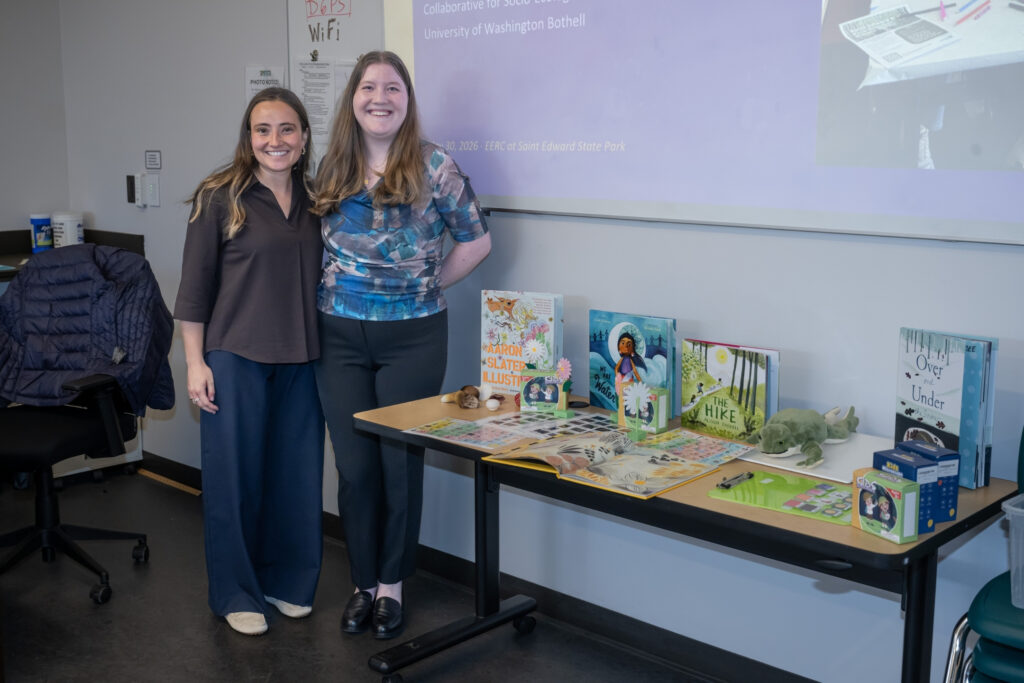
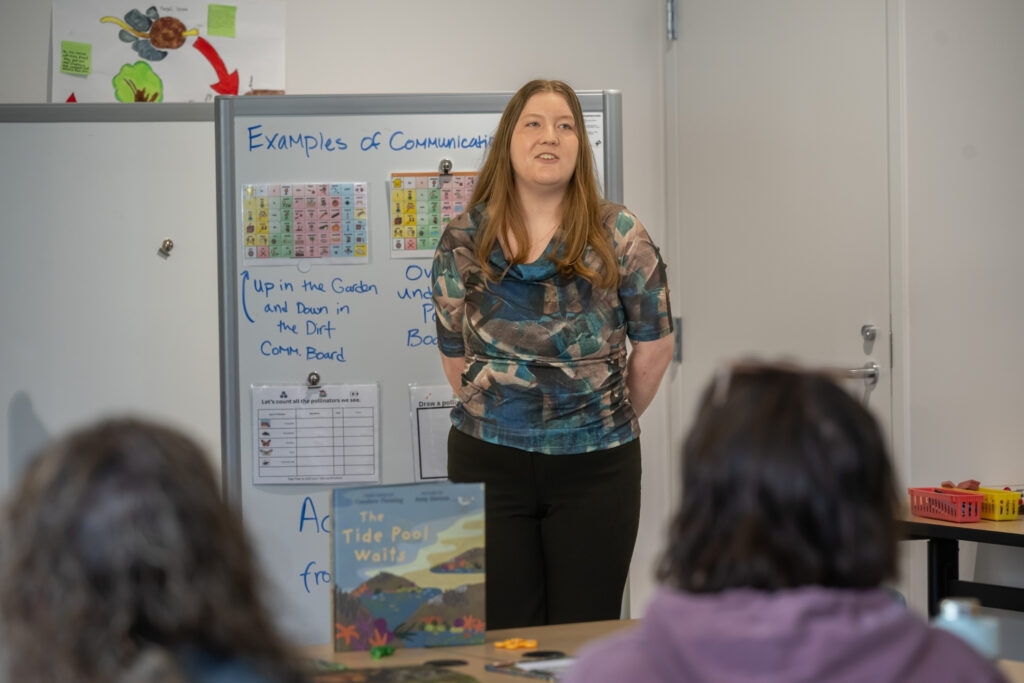
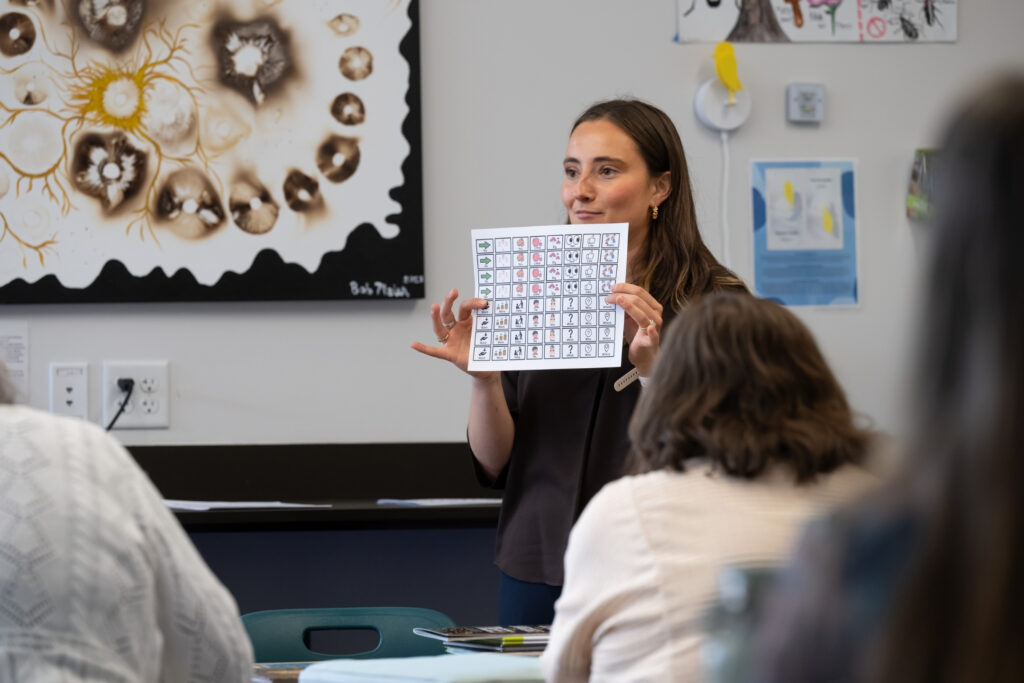
That access takes deliberate design. Developed with STEM faculty at the University of Washington Bothell and CoSEE Program Manager Maddie Iem, each book includes built-in communication supports, prompts, and multisensory elements. Using open-source tools, the team creates augmentative and alternative communication (AAC) supports, including communication boards, vocabulary icons, embedded questions, and sensory pieces that make environmental literature more accessible.
Vocabulary is a big part of that access. Core words like “go,” “I,” “want,” and “like” make up much of everyday speech and help students respond to what they see and feel. Fringe words carry the subject matter. In a forest story, that might include “Douglas fir,” “sword fern,” “green,” or “blue.” When both are included, students can interact with a story about nature, not just listen to it.
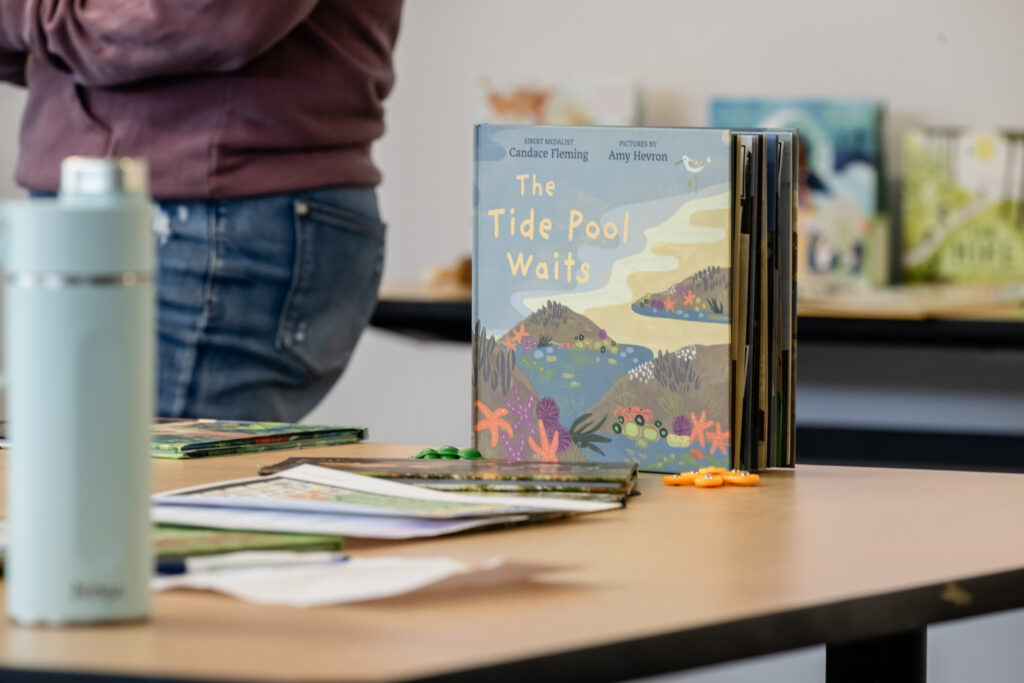
CoSEE Program Assistant Kaylin Datwyler shared completed books for educators to browse. Many connect to CoSEE’s hands-on educational kits. The Great Pollinator Count, for example, pairs with the Mason Bee House Kit and the Bee Monitoring Kit, so a story can extend into a hands-on activity. The book also includes tactile elements such as wooden flowers and a stuffed bee to support exploration during reading.
A two-way exchange
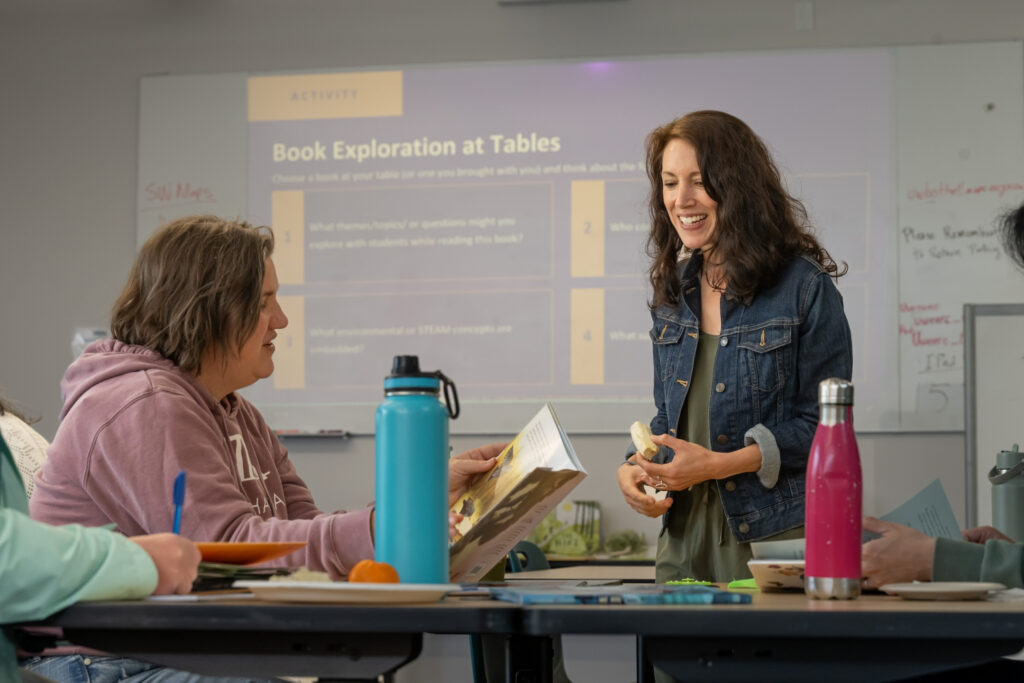
After Iem and CoSEE Director Veronica Cassone McGowan introduced the adaptive book model, educators worked on their own materials. Some adapted CoSEE books that are not yet part of the library. Others focused on titles they already use in their classrooms.
Their input shaped the program in real time.
“Folks were sharing books they’ve used in their classrooms and titles that should be added to the library,” Iem said. “It led to some thoughtful conversations about which stories matter.”
Those conversations are already leading to changes. CoSEE is developing a public list of all books in the adaptive library, expected to go live on the website in the coming months. The team is also preparing a free Canva template, available on request, so educators can adapt their own books using CoSEE’s icons and question structures.
Where it goes from here
The work depends on educators willing to share what they use and try new approaches. This series created space for both.
“Creating this library has been one of the most rewarding parts of my career,” Iem said. “We have a lot of ideas for how to expand it in ways that meet the needs of the families and communities we serve.”
This professional learning series was supported by funding from the Washington Climate Justice Teacher Education Seed Grant Program. More events are planned.
To check out or build your own CoSEE adaptive book, fill out this form.