From UW capstone to full-time role building inclusive learning tools
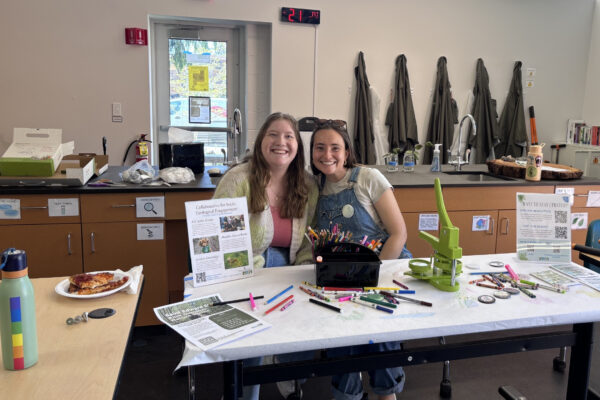
Kaylin Datwyler built a UW capstone project around accessible children’s books as a CoSEE intern. Now she continues the work as CoSEE’s first AmeriCorps-funded full-time staff member.
Finding her way to the work
Kaylin Datwyler spent a lot of her childhood outside. Growing up in the Bay Area, she had easy access to state parks, trails, and the coast, and she used it. Being in those places felt normal. What took longer to put into words was a question that kept coming back: who else gets to have that experience, and what makes it harder for people who don’t?
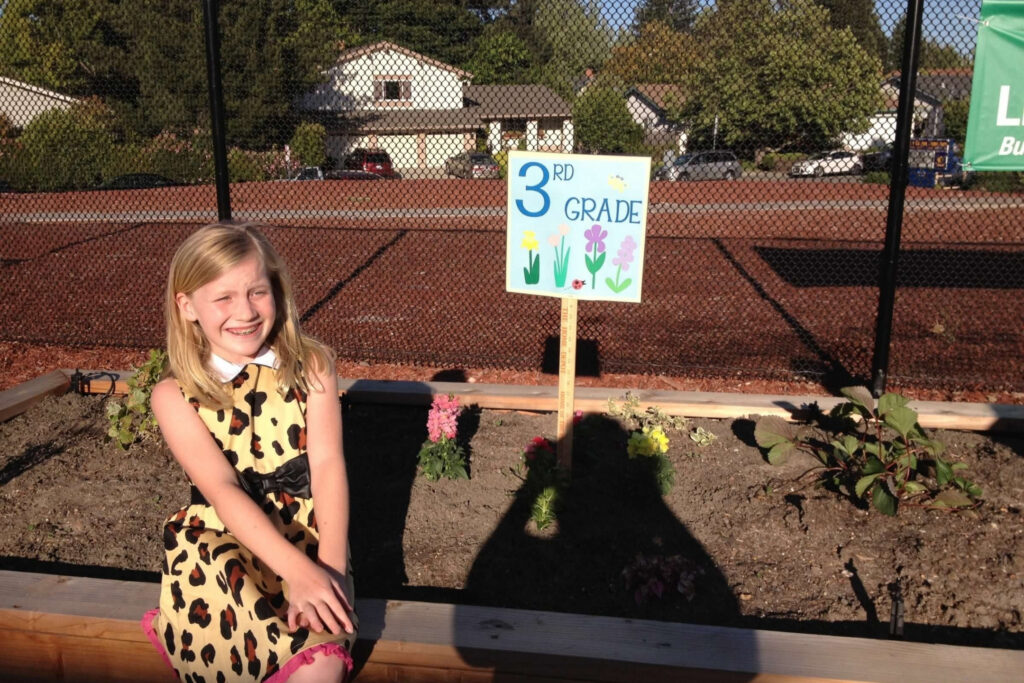
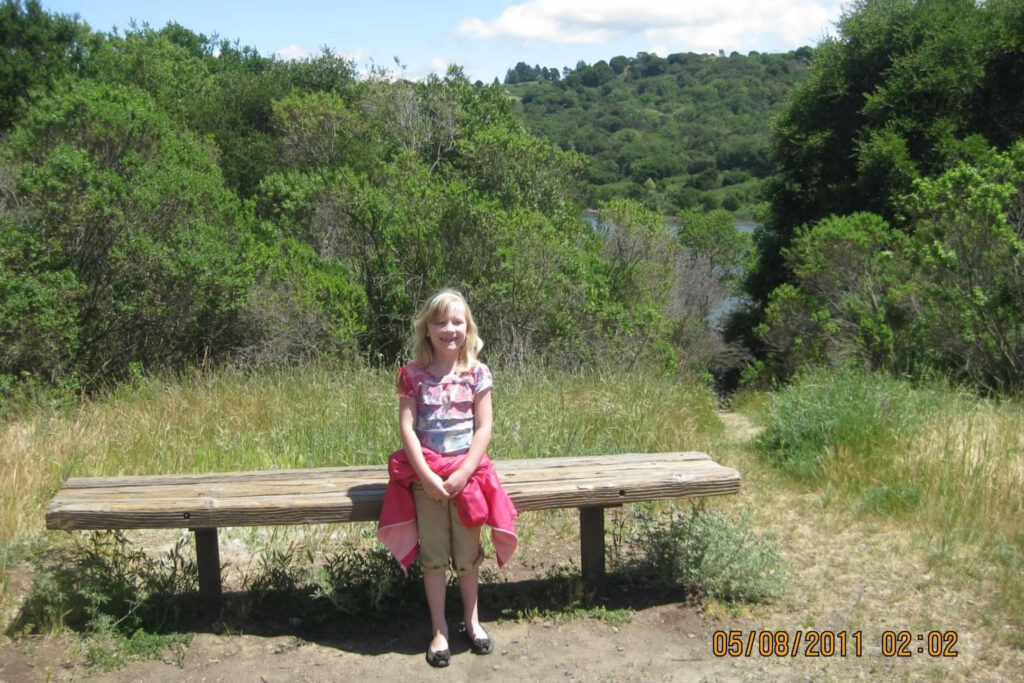
That question guided where she went to college and what she studied. At the University of Washington, she double majored in Political Science and Environmental Studies, focusing on how systems shape access to environmental spaces and experiences. It also influenced what she chose to do next.
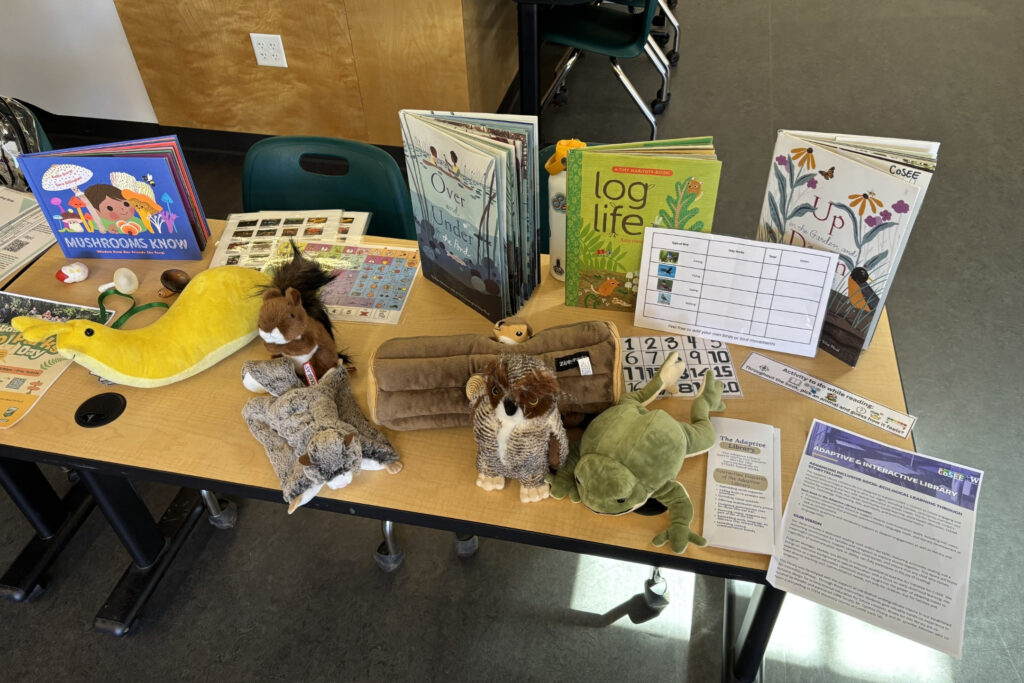
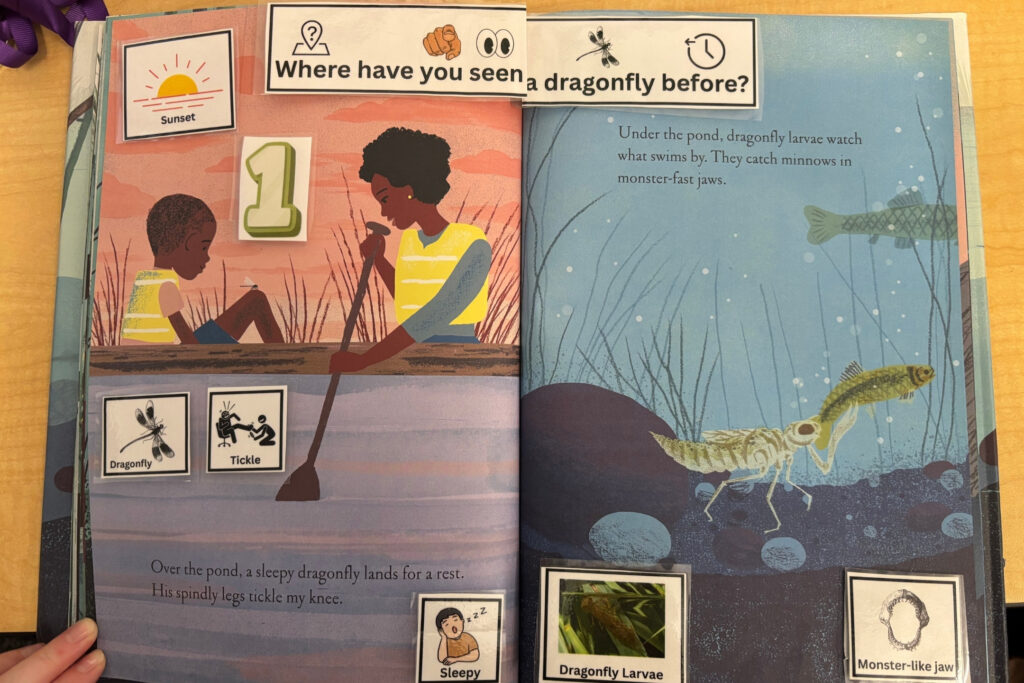
In summer 2025, Kaylin joined CoSEE through the UW Program on the Environment Capstone. Her project started with a practical question: how can books be made more usable for environmental education? The work centered on CoSEE’s Adaptive Library, a growing set of environmentally themed children’s books adapted for learners who use augmentative and alternative communication (AAC), including picture boards and speech-generating devices.
Environmental education hasn’t consistently been designed with these tools in mind. Kaylin’s project focused on closing that gap, one book at a time.
Coming back to keep it going
She came back in December 2025 under the ClimeTime grant, which supports climate education through storytelling. With more time, she developed a repeatable process.
For each book, she looks for moments where a reader might lose context or need another way in, then builds supporting materials around those points. That includes interactive activities, discussion prompts, and vocabulary cutouts. She designs everything in Canva, then prints and assembles the materials for use. So far, she has adapted nine books.
One example is Bird Count. For that title, she also helped build a Bird Identification Kit, building on earlier work by CoSEE intern Benton Kellogg. The kit includes a birdwatching activity that mirrors what happens in the story. Read about it, then try it.
“These are materials I would have wanted as a kid,” Kaylin said. “Having more ways to interact with books and connect them to what’s around you makes a difference.”
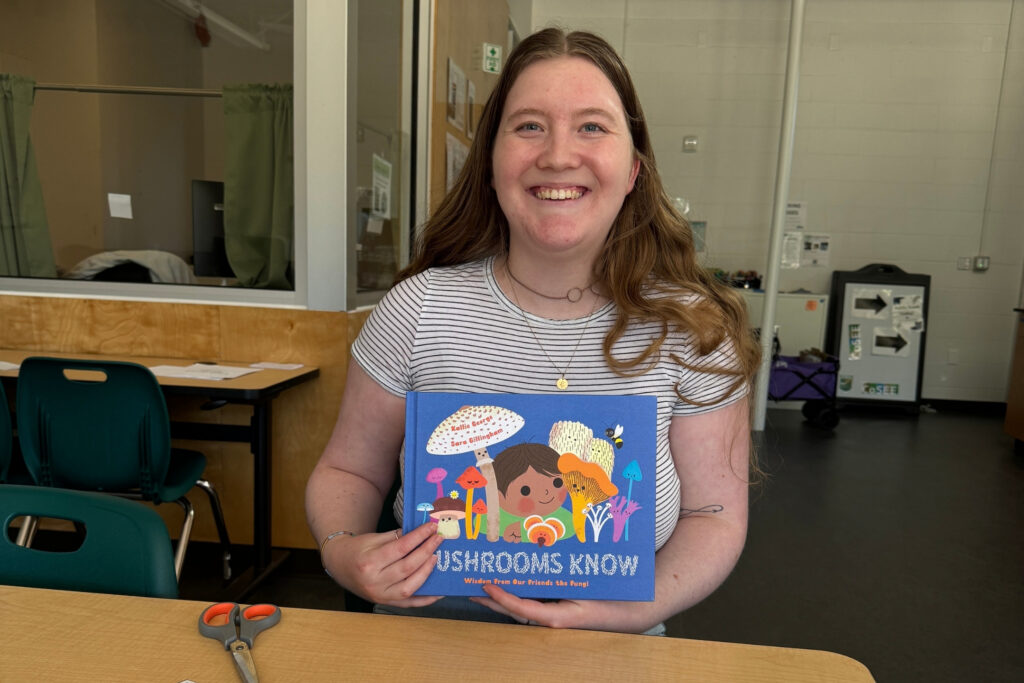
From intern to full-time role
Kaylin graduated from UW in March 2026. Within a few weeks, CoSEE asked her to stay.
She is now the organization’s first AmeriCorps-funded full-time employee and its second full-time hire, working as a Program Assistant. The Adaptive Library remains a core part of her role, but her work has expanded. She mentors interns across CoSEE’s programs, contributes to a website overhaul, and supports partner outreach.
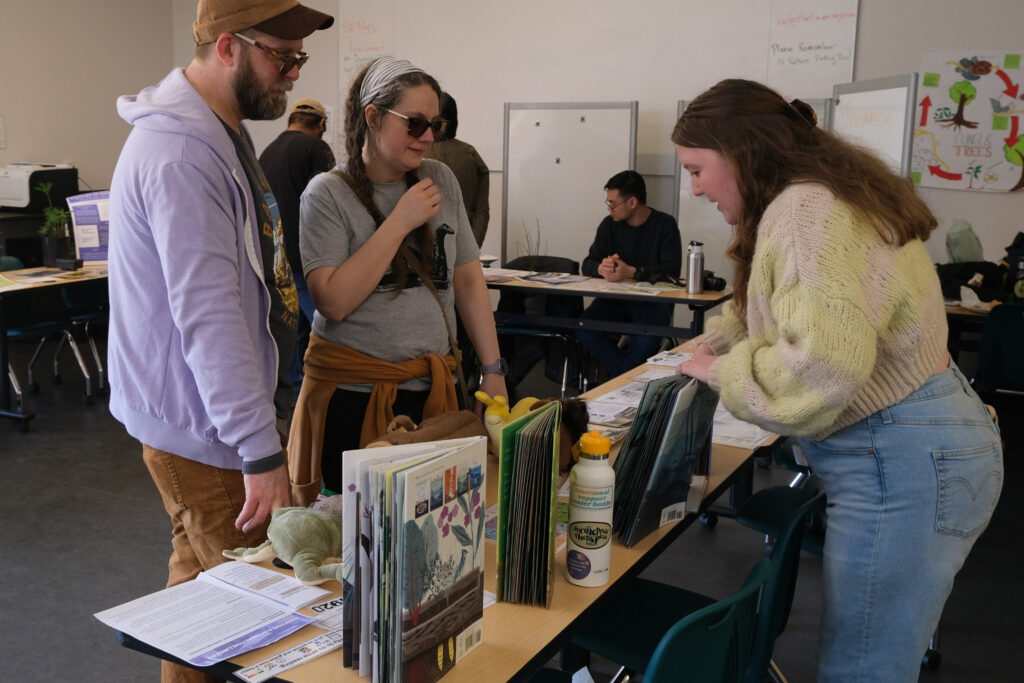
Outreach has become a regular part of her work. At the City of Kenmore’s Earth Day event, she staffed a table and talked with community members about the library and activity kits, many of whom were hearing about CoSEE for the first time.
“I’ve really started to enjoy the outreach side,” she said. “At Earth Day, I got to talk with people directly about projects I care about and see how they connected with them.”
Where the work is headed
A degree in political science and environmental studies doesn’t map neatly onto accessibility work, but for Kaylin, the connection is straightforward. She started with a question about access to environmental education, and her work has continued to narrow in on how to make that access more practical.
The library will keep expanding. So will her role.