CoSEE secures new grant to expand climate justice through storytelling
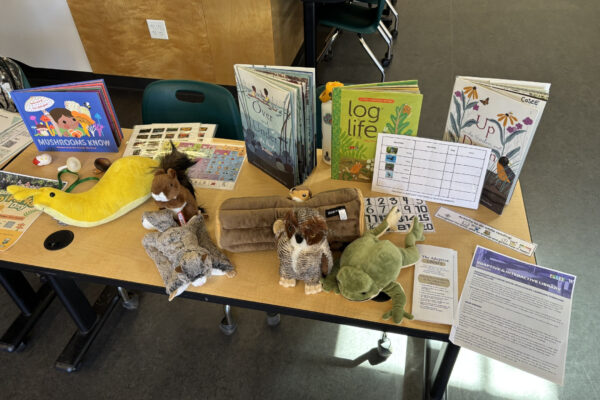
The Collaborative for Socio-Ecological Engagement (CoSEE) recently received a Climate Justice Teacher Education Seed Grant through the ClimeTime initiative, supporting the expansion of its Adaptive Library Initiative (ALI). The project is designed to make climate and environmental learning more accessible for learners of all abilities.
The grant supports the development of new books, interactive learning materials, and student-led projects that help educators, families, and community members engage young learners in conversations about climate change, ecosystems, and environmental stewardship.
At the center of this work is a simple but powerful idea: all learners deserve access to environmental education and climate literacy, including students with diverse communication and learning needs.
With this new funding, CoSEE is expanding the ways the Adaptive Library can support both educators and learners across the region.
Why accessible stories matter
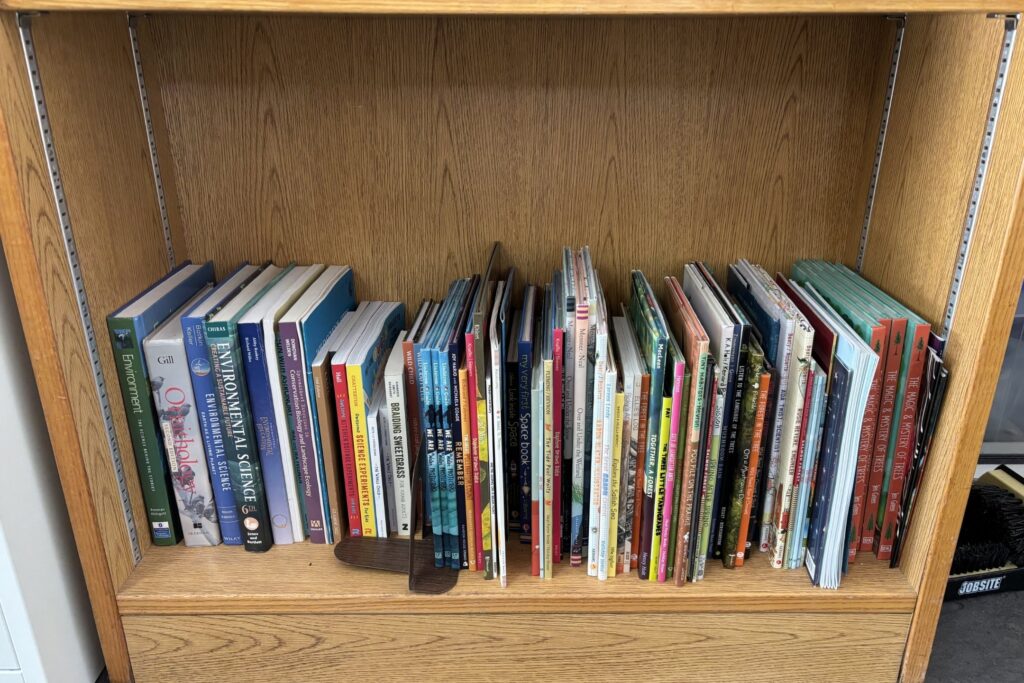
The Adaptive Library Initiative uses children’s literature as a starting point for environmental learning. Through the ClimeTime grant, CoSEE is expanding its collection of adapted climate-focused storybooks and developing new tools that make these resources more accessible and interactive.
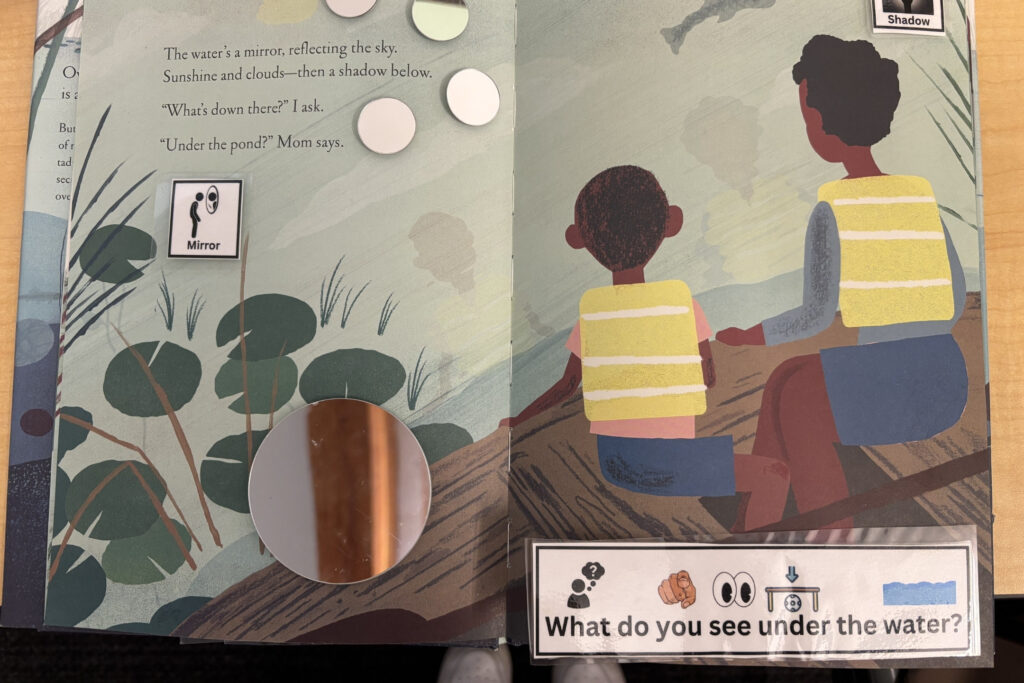
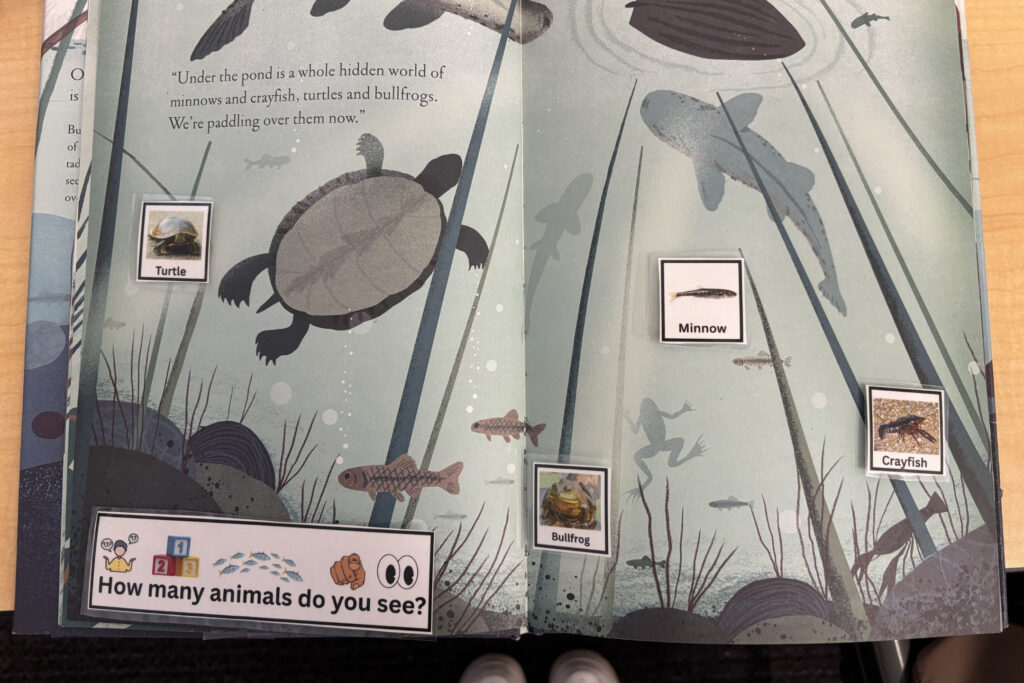
Each adapted book includes supports designed to help learners participate in discussions about environmental topics. These may include communication boards for students who use AAC, embedded prompts that encourage conversation and inquiry, and sensory or tactile materials that allow learners to interact with the story in multiple ways.
By combining storytelling with interactive learning tools, the books allow educators and families to introduce complex topics, such as ecosystems, carbon cycles, and climate change, in ways that are engaging and developmentally appropriate.
The grant has also supported the creation of a dedicated reading nook inside the Environmental Education and Research Center (EERC) classroom at Saint Edward State Park. With beanbags, cushions, and all the storybooks, the space offers a welcoming environment where students, educators, and families can gather to explore stories together.
Student leadership and collaboration
The ClimeTime funding has also allowed CoSEE to invest in student leadership and internship opportunities, helping students gain hands-on experience designing inclusive educational resources.
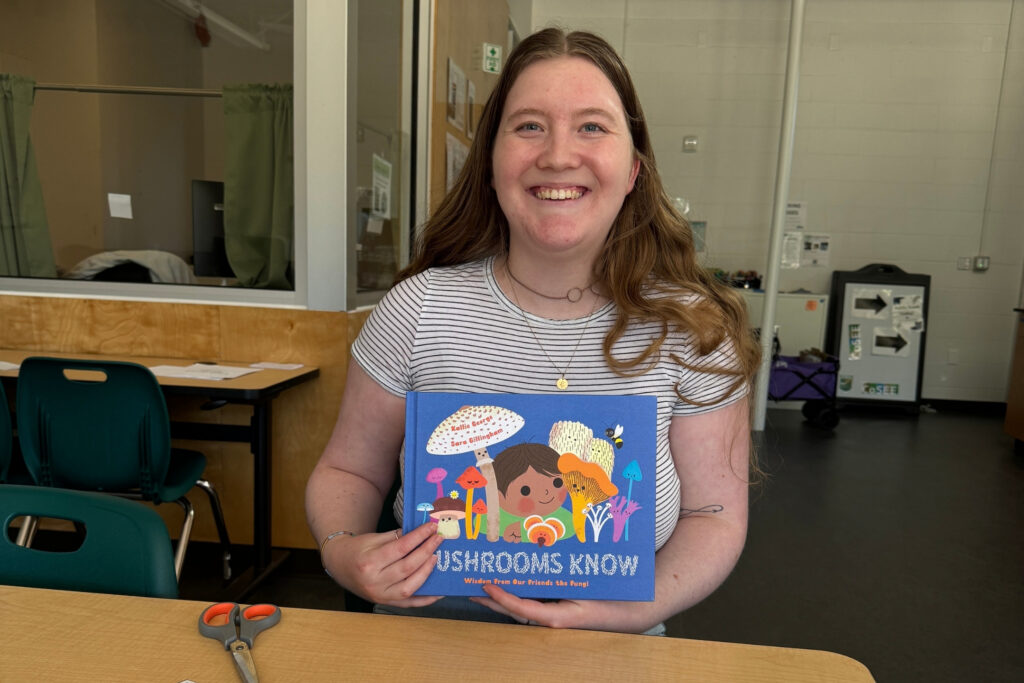
One of the students involved in this work is Kaylin Datwyler, a former CoSEE summer intern from the University of Washington’s Program on the Environment and Political Science Department. During her capstone internship, Datwyler helped expand the Adaptive Library by adapting environmental children’s books and designing accessible learning supports.
Her work focused on developing materials that help young readers interact with stories while building communication, literacy, and environmental understanding.
Student involvement remains a core part of the project. Interns collaborate with CoSEE staff to test new materials, design interactive components, and think creatively about how stories can connect to hands-on environmental learning.
Climate literacy for every learner
Climate change is one of the defining challenges of our time, yet many climate education resources are not designed with accessibility in mind.
The Adaptive Library Initiative aims to change that by demonstrating that learners of all developmental pathways can meaningfully engage with climate and environmental topics and be active participants and knowledge holders.
Through adapted books and interactive learning materials, the project supports learners in exploring how climate systems work, how ecosystems are connected, and how environmental changes affect both human and natural communities.
Beyond producing adaptive learning materials, the initiative serves as a training ground for educators. Preservice teachers and student interns gain meaningful, practical experience designing resources for diverse learners. In addition, we offer professional development for practicing teachers and instructional aides to deepen their capacity for inclusive, accessible, and learner-centered instruction.
We are just getting started
As the Adaptive Library continues to grow, the ClimeTime grant is helping CoSEE expand the reach and impact of the program.
In addition to new adapted books, the team is continuing to develop place-based “learning backpacks” that pair the environmental-focused stories with outdoor exploration tools and activities. These kits will allow families, educators, and community organizations to borrow resources and bring environmental learning into their own classrooms, homes, and local landscapes.
Through storytelling, accessible design, and collaboration with students and educators, CoSEE hopes the Adaptive Library will continue to grow as a resource that connects climate learning with community engagement.
By expanding access to environmental education, the initiative helps ensure that conversations about climate and ecosystems include all learners, regardless of ability, communication style, or background.