Beneath the Forest Floor: Discovering Mushrooms and Mycelium at Saint Edward State Park
Each fall, the forests at Saint Edward State Park come alive in quiet but fascinating ways. Beneath the leaves and fallen logs, networks of fungi are at work—breaking down organic matter, supporting plant life, and connecting entire ecosystems below the forest floor.
During CoSEE’s second annual Mushroom Walk, students gathered at the Environmental Education and Research Center (EERC) to explore this hidden world. The event introduced students to the science of fungi and mycelium while giving them the opportunity to observe mushrooms directly along the trails of Saint Edward State Park.
Through discussion, observation, and exploration, students learned how fungi play an essential role in the health of forest ecosystems.
Learning About Fungi and Mycelium
The event began inside the EERC classroom, where students were introduced to the basics of fungi and mycelium. While mushrooms are often the most visible part of a fungus, they are only one small piece of a much larger organism.
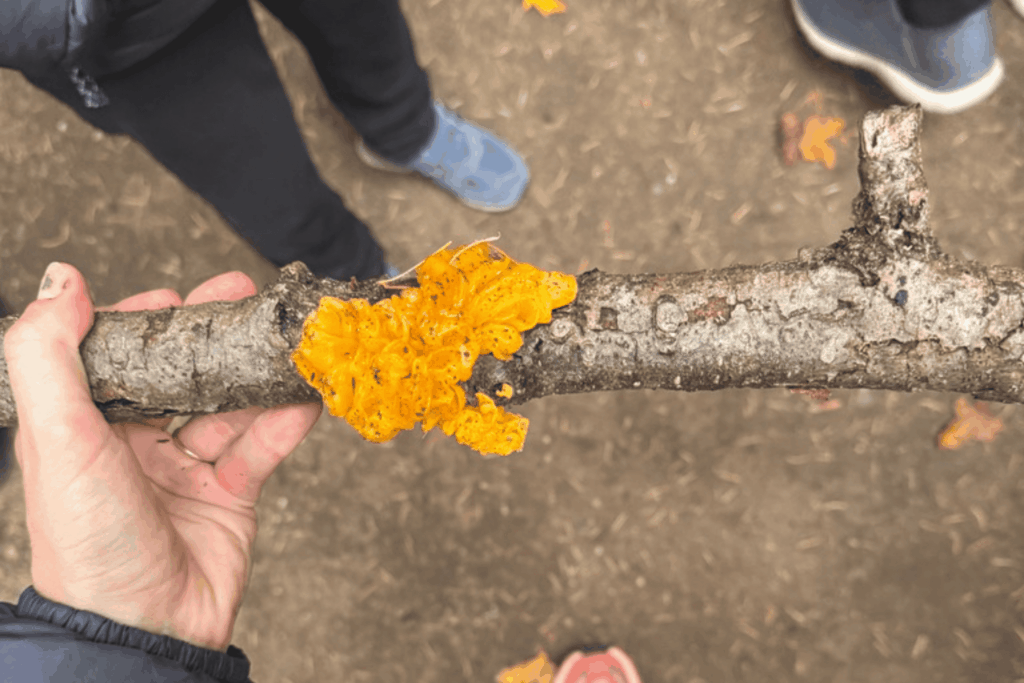
Students learned that mycelium—a network of thread-like structures beneath the soil—is the main body of many fungi. These networks can stretch through the forest floor, connecting trees and plants while helping break down organic material and recycle nutrients back into the ecosystem.
During the discussion, students explored the different types of fungi and talked about how scientists and nature enthusiasts can sometimes identify mushrooms by their shapes, colors, and structures when out on the trail.
Students also shared their own experiences with mushrooms. Some talked about mushrooms they enjoy eating, while others described mushrooms they have noticed growing in their yards or neighborhoods. These conversations helped connect personal experiences with scientific learning.
Conditions for Mushroom Growth
Before heading outside, students also discussed the environmental conditions that help mushrooms thrive.
Fungi tend to flourish in cool, damp environments, especially when temperatures are chilly but not too cold. Moist soil, decaying wood, and shaded forest floors create the perfect conditions for mushrooms to grow and spread.
Understanding these conditions helped students think like scientists as they prepared to search for mushrooms along the trail.
Observing Mushrooms in the Forest
After the classroom discussion, the group headed out onto the trails of Saint Edward State Park to begin the mushroom walk.
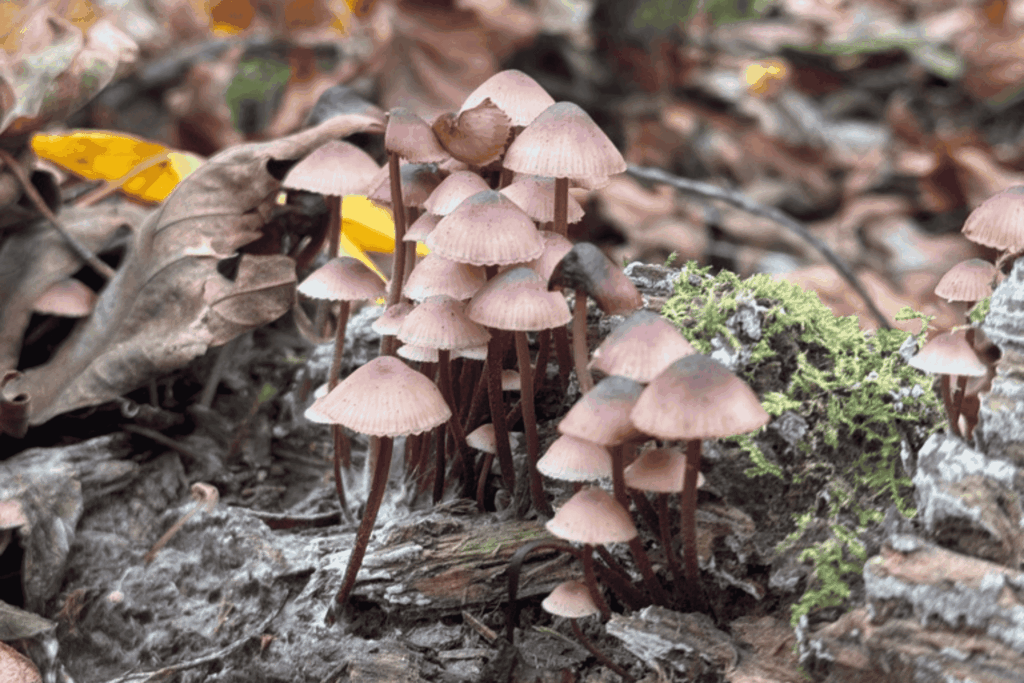
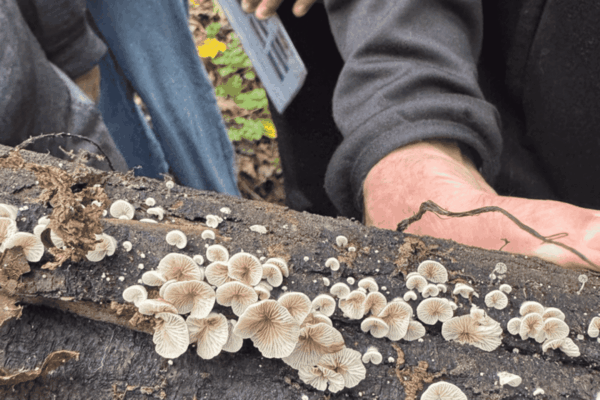
Armed with curiosity and observation skills, students explored the forest floor looking for mushrooms of different shapes, sizes, and colors. Along the way, they discovered a wide range of fungi, from small clusters tucked beneath leaves to larger mushrooms growing along fallen logs.
Students kept track of how many mushrooms they found and noted the different varieties and shapes they observed along the trail.
One of the most memorable parts of the walk was the creativity students brought to the experience. As they discovered new mushrooms, they often gave them funny or imaginative names, adding an element of humor and curiosity to the exploration.
These moments of observation and discovery helped students engage with the forest in a new way—paying closer attention to the small details that often go unnoticed during a typical hike.
A Forest That Is Always Changing
One of the reasons CoSEE loves hosting the Mushroom Walk is that no two walks are ever the same.
Saint Edward State Park is home to an incredible diversity of fungi, and the mushrooms that appear on any given day depend on weather, moisture, and other environmental conditions.
Even when the event is hosted on two separate days with different groups of students, the mushrooms can be completely different. Sometimes mushrooms appear in places where none were visible just a day before. Other times, mushrooms that were abundant earlier may disappear entirely.
This constant change helps students understand an important ecological lesson: ecosystems are dynamic and always evolving.
Connecting Curiosity and Ecology
The Mushroom Walk offers students the chance to experience environmental learning in a hands-on way—connecting scientific ideas with direct observation in the forest.
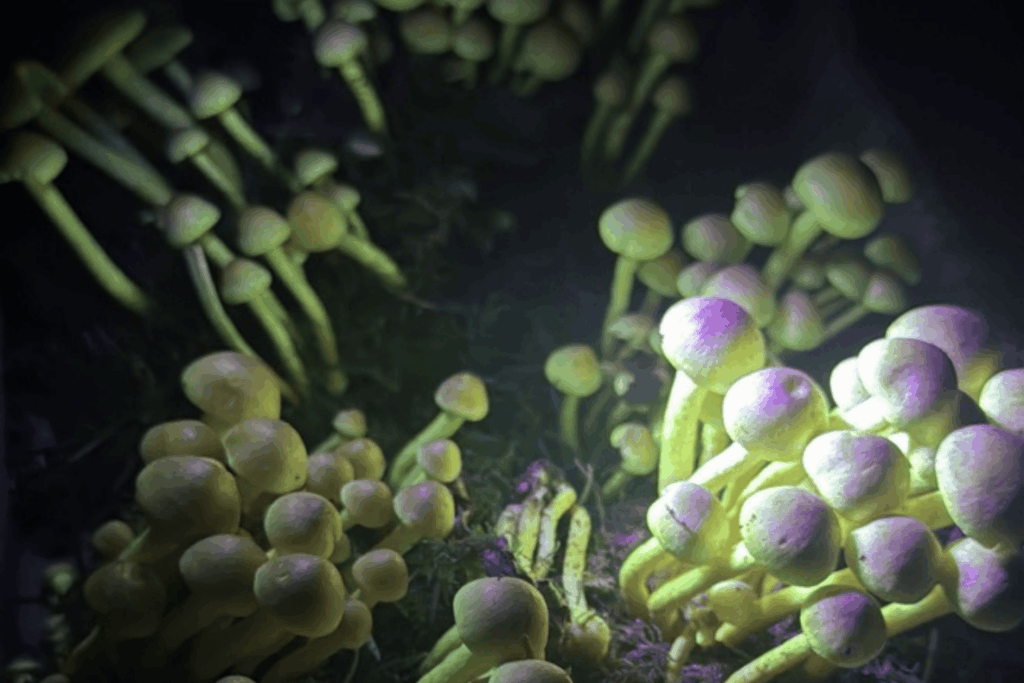
By learning about fungi and mycelium, students gain insight into the hidden systems that support forest health and ecological balance. The activity also encourages curiosity, exploration, and a deeper appreciation for the complexity of the natural world.
Whether discovering mushrooms for the first time or sharing stories about the ones they’ve seen before, students leave the walk with a greater understanding of how interconnected ecosystems truly are—and how much there is still to explore beneath the forest floor.