The first year of college is often the most challenging. Students are not only navigating a new academic landscape, but they’re also searching for their place in it — and the world at large.
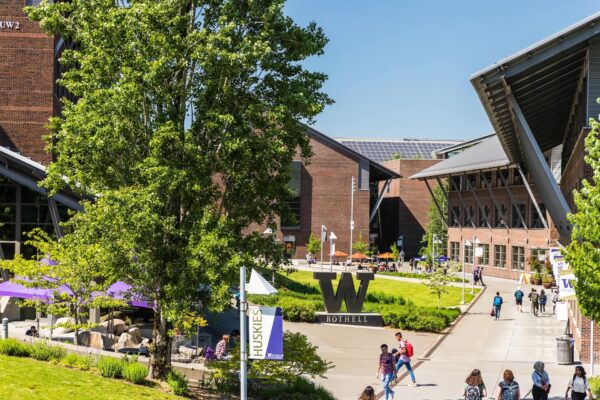
To help ease students through transition, the University of Washington Bothell offers the Discovery Core Experience, which provides interdisciplinary experiences that prepare students for success in their personal, academic and career pathways.
A welcome to campus
Launched as part of UW Bothell’s First Year & Pre-Major Program, which this year celebrates its 20th anniversary, DCX is required for students with fewer than 60 credits in their first quarter and encouraged for transfer students. The goal? To help them orient to the campus and develop community with their peers.
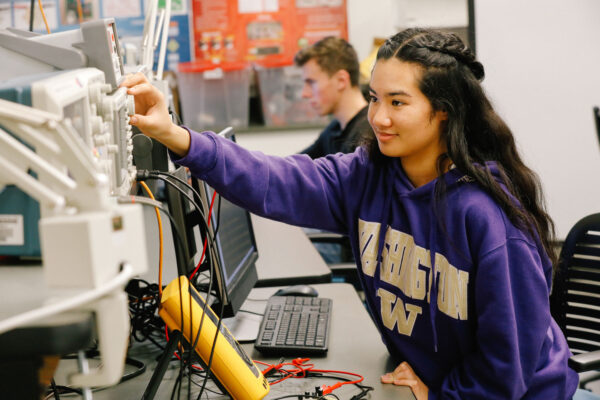
“Our first-year students benefit from the diverse offerings DCX courses have to offer, while providing them a home base to build community with other first-year students and to learn about the many campus resources available to them,” said Dr. Cynthia Chang, FYPP co-director and associate professor in UW Bothell’s School of STEM.
The courses benefit the faculty, too. “I love teaching DCX courses because it gives me a rare opportunity to think outside of the box and teach students outside of my discipline,” Chang said.
While some students may embark on their higher education experience with a clear goal and a sense of what they want to do post-graduation, many do not. Even those who do are often surprised by the newfound passions and interests they pick up during their time on campus.
Opportunity to grow
Through this program, first-year students and pre-majors are encouraged to engage with a sense of curiosity and, of course, discovery. Each class presents an opportunity to try something new.
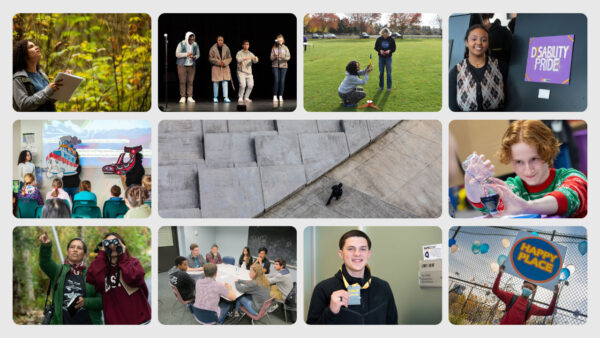
From harnessing the power of storytelling to turn climate anxiety into hope, to learning about space from a real-life astronaut, DCX courses offer students interdisciplinary experiences that go beyond a single major or area of study.
About the 2024 course, “The Art & Politics of Walking,” then-junior pre-major Ashton Lappier said: “This class helped me explore new areas that I haven’t explored before. It helped me get outside more, get outside of my comfort zone and expand on myself to grow as a person.”
In another DCX course that year, “A World Without Borders,” students explored the phenomenon of globalization in the context of an increasingly interconnected world. James Reinnoldt, lecturer in the School of Business, asked his students to put an AirTag in an envelope and track it while competing to see which team’s envelope could reach the farthest point by a certain day — giving them a first-hand look at the logistical pipelines through which goods move from the United States to different parts of the world.
“This entire project was basically a reflection of what we learned in class,” Muhammad Abduljaleel said as a first-year student in 2024, “so it was just a very nice way of presenting how globalization works, and how small and interconnected the world has become. It was one of the most interesting projects I’ve done so far in college.”
Off-campus perspectives
Often, the DCX courses also incorporate a community engagement component — exposing students to the diverse roles they can play in society and how their work can support others in the region.
“I’m committed to fostering inclusivity and understanding in my community, and this course offered a unique opportunity to engage with diverse perspectives and contribute to meaningful change,” said then first-year student Hajer Alarak on the course, “Disability Representation in Society.”
To learn more about some of the DCX courses UW Bothell has offered over the years, read the stories below.
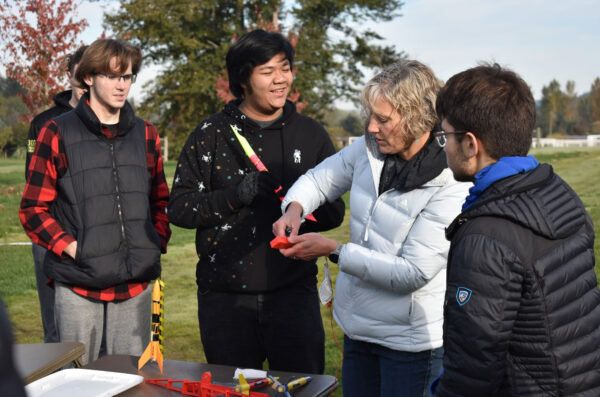
In former astronaut Dorothy Metcalf-Lindenburger’s class, students learn how to make observations like astronauts and early astronomers did before them.
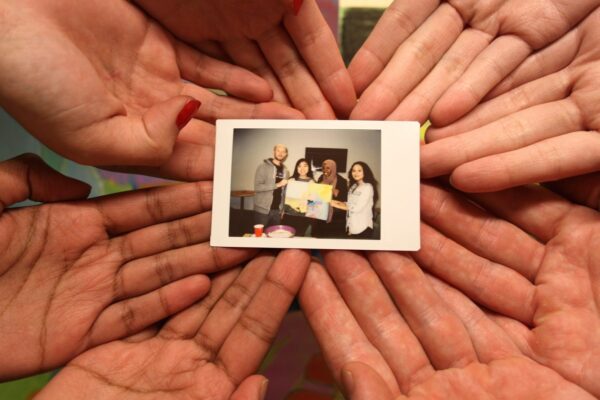
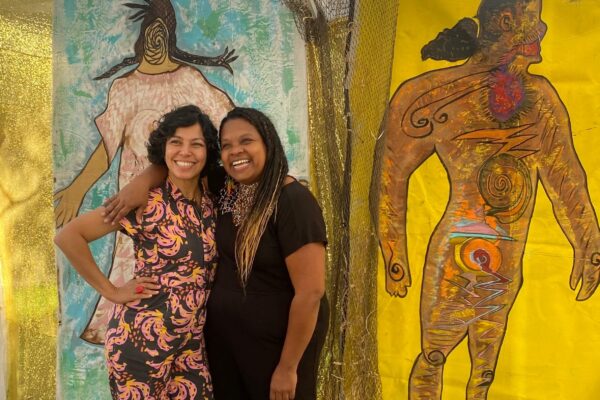
In the class “Creative Activism: Inspiring Social Change through the Arts,” students create artwork alongside Ronald Commons residents, many of whom were once homeless.
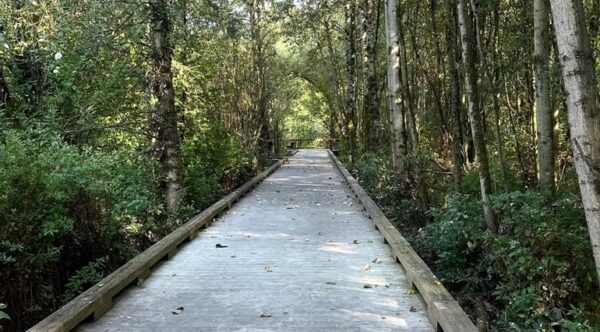
In the course “Mental Health & Student Life: Integrating Well-Being and Academics,” students learn how to manage the challenges of transitioning from high school to college, and more.
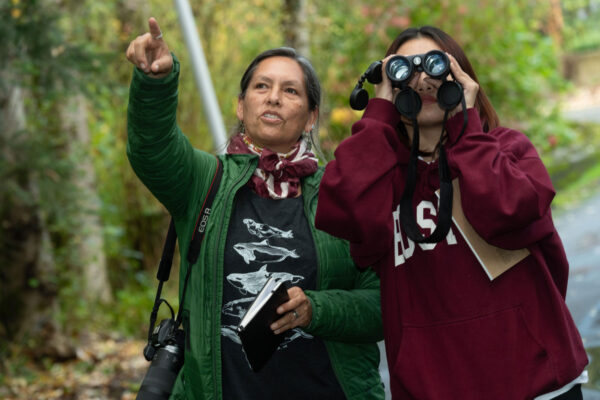
Learning is not just for the birds in this class, which showed students the personal and professional benefits of birdwatching.
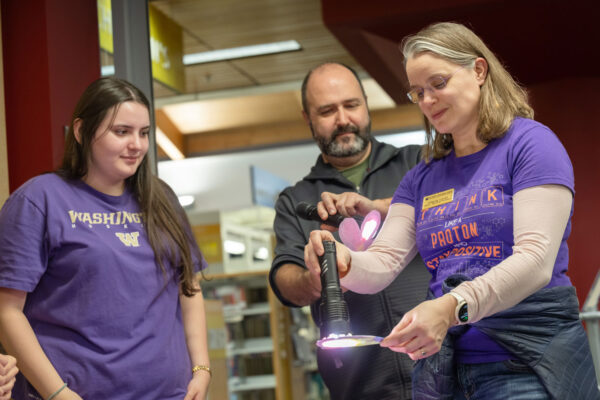
In their course “Atoms in Art & Culture,” Dr. Gavin Doyle and Dr. Charity Lovitt blur the boundaries between art and science.
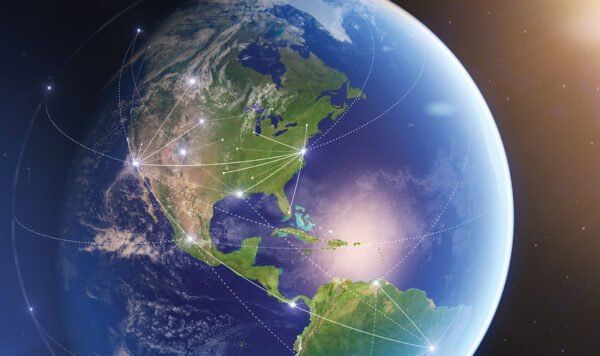
Students learn more about living in a “world without borders,” through an interactive global experience.
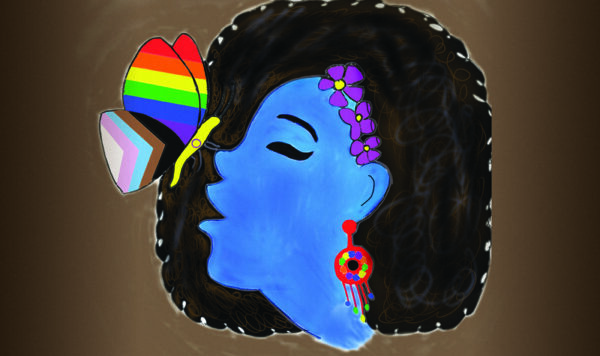
First-year students in this course learn a valuable life lesson — to be proud of who you are and where you come from.
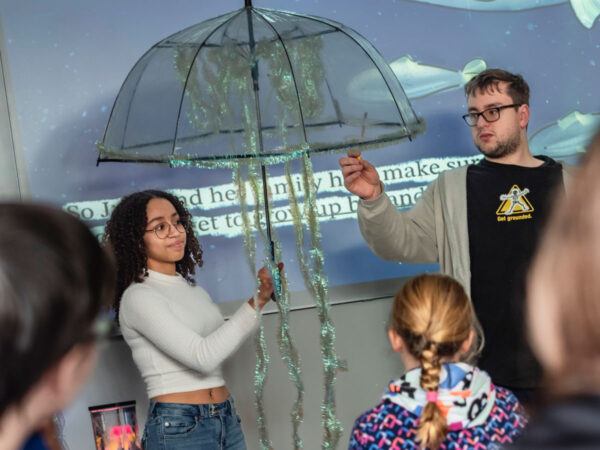
Students in this class harness the power of storytelling to teach ecology to the next generation.
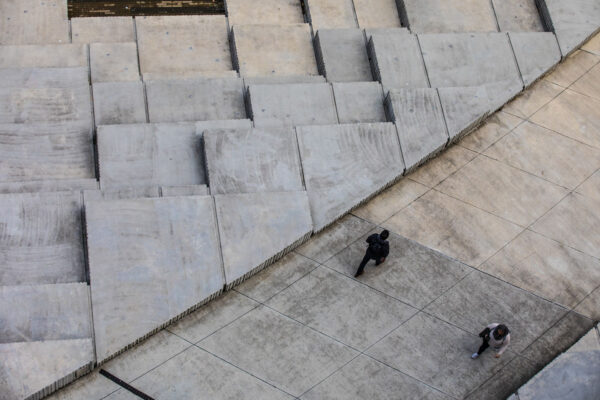
In the classroom, Dr. Jason Lambacher examines the topics of walking and comedy through the lens of art and politics.
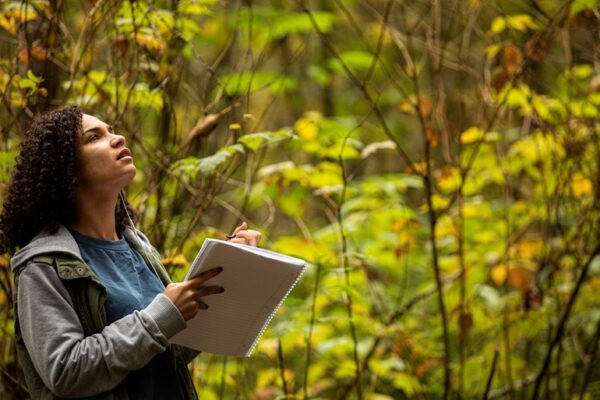
In “Our Home in the Forest,” students gain a better view of their relationship to the forest and, more broadly, to the environment.
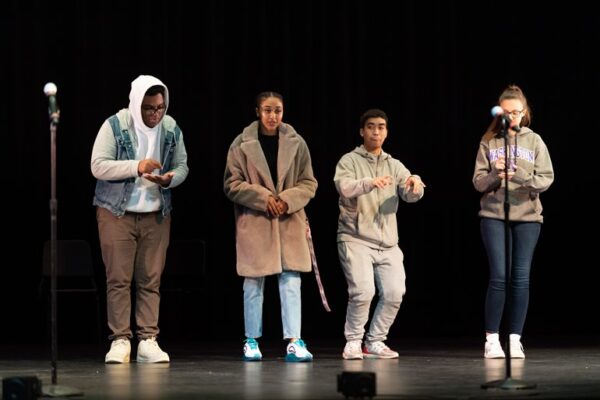
Students and people who receiving care for memory loss shared their different transition experiences in a program at the Edmonds Center for the Arts.
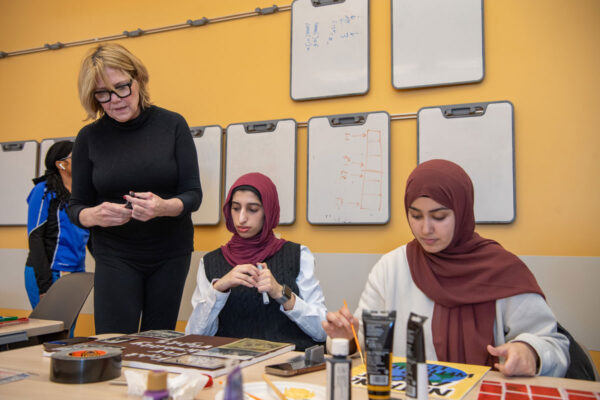
In “Disability Representation in Society,” students use art and community engagement as a tool for learning about disability justice.