For high school students interested in chemistry and biology, becoming a doctor or a researcher are obvious career choices.
A lesser-known option is biotechnology — but how to get there isn’t something that is often taught, said Dr. Guy Hamilton, director of the University of Washington Bothell’s Center for Biotechnology Innovation & Training.
Hamilton aims to create more pathways to the field of biotech, and among the Center’s initiatives to accomplish this goal are summer camps that offer local high schoolers an introduction to biotech.
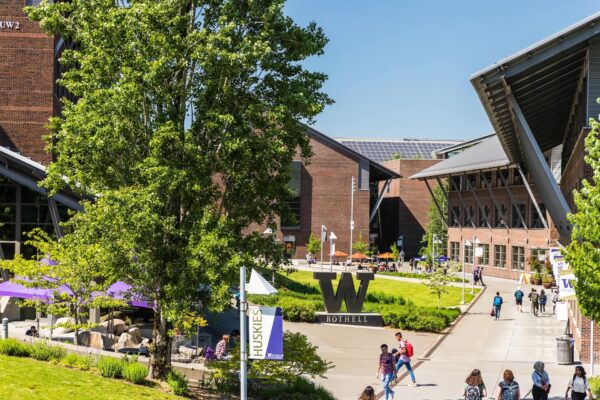
“What we try to do is get students exposed to the cool science part of it — to have fun and get their hands wet in the lab — and to see how it applies to the real world,” he said. “We really want to get students excited about the opportunities in front of them as they’re thinking about their college career and, of course, to also show them what a cool place UW Bothell is.”
This summer, CBIT invited high schoolers to attend five-day immersive summer camps where they explored topics ranging from anatomy and immunology to biomedical devices and entrepreneurship.
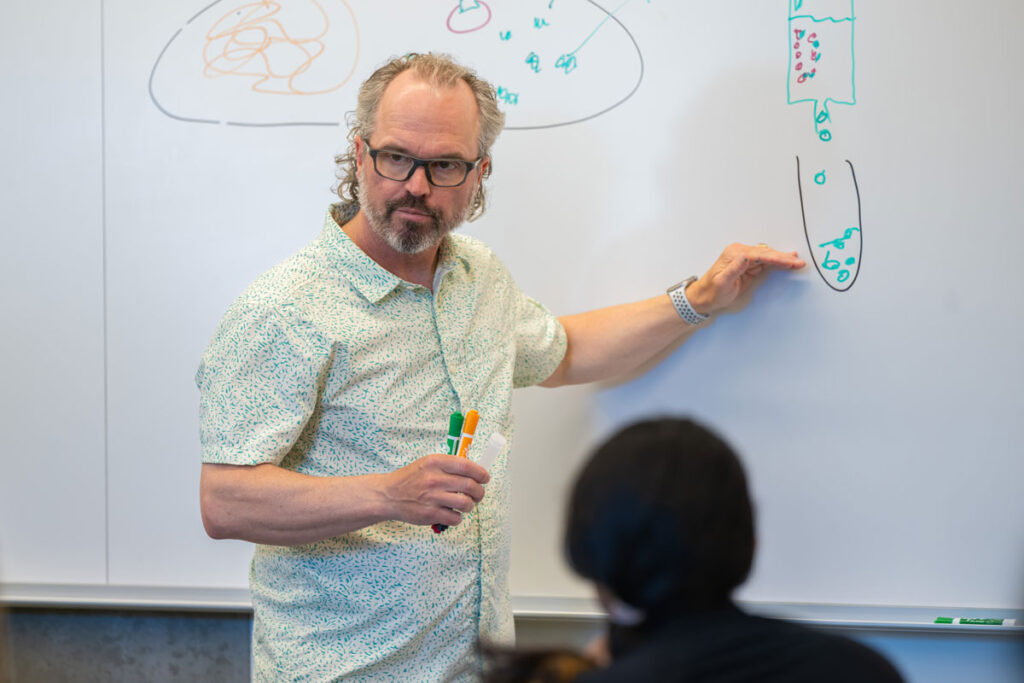
Lectures and labs
CBIT piloted the summer camp program in 2025 with a general biotech camp. This year, the center expanded the program to offer four separate camps, each covering one of three different aspects of biotech.
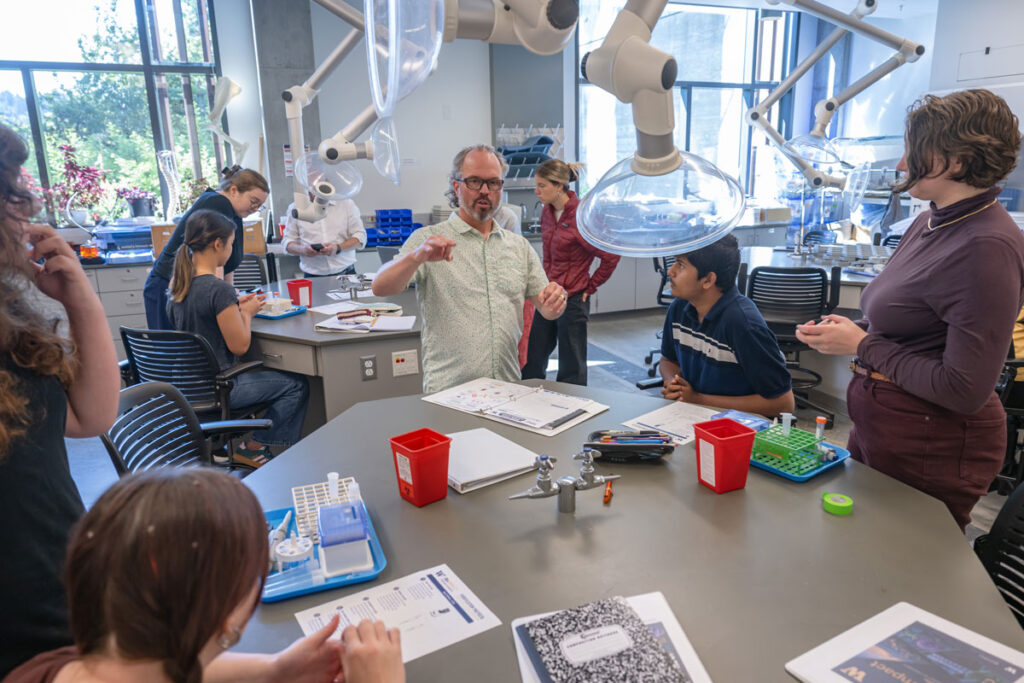
The first camp, “BioImpact: From Ideas to Industry,” was offered twice and introduced participants to careers centered on anatomy and how biomedical devices allow for detection and correction of complex medical conditions.
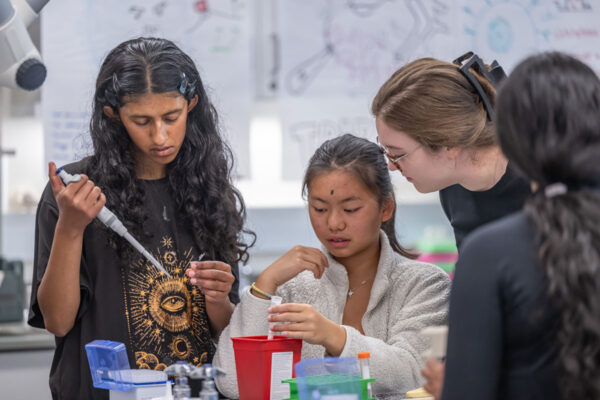
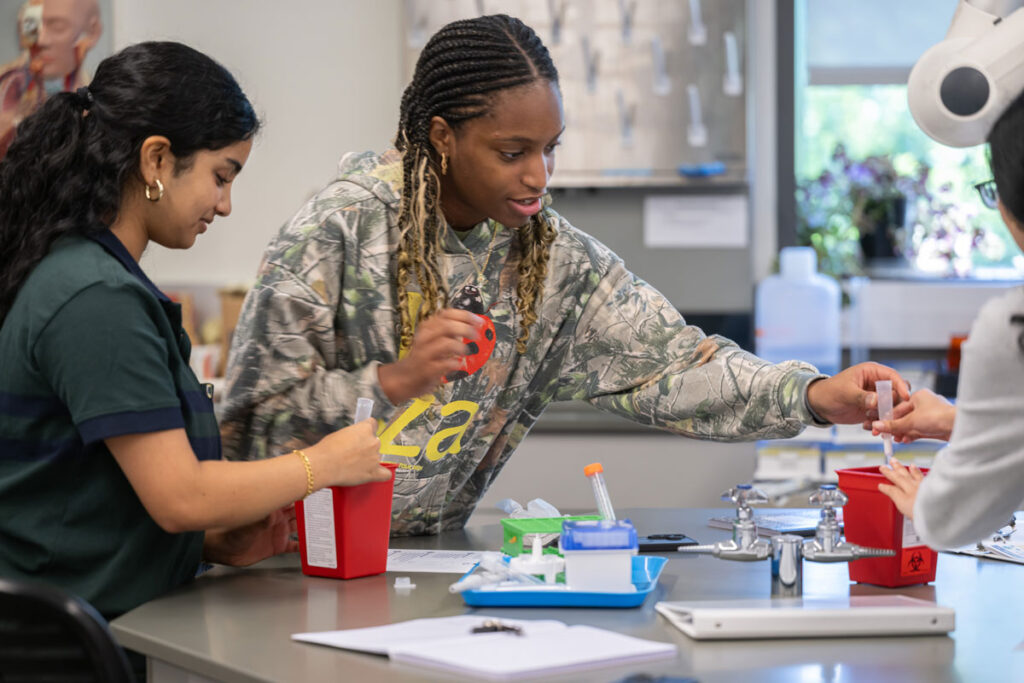
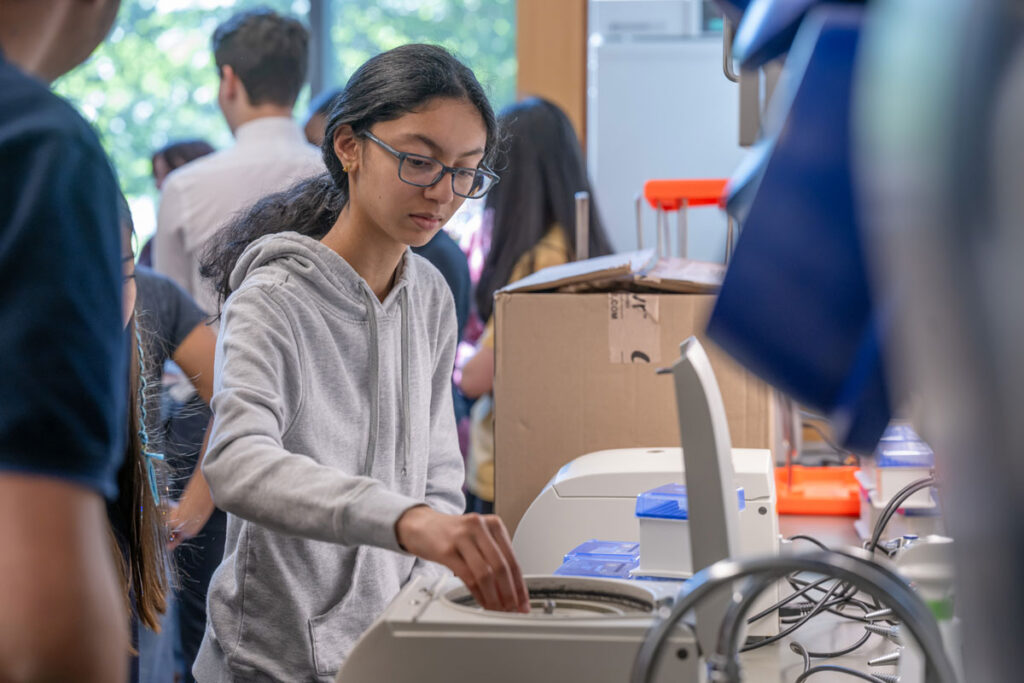
With lectures and labs led by Dr. Lori Robins, professor in the School of STEM, students also learned about Robins’ research on odor control in wound healing and conducted their own experiments in preventing wound odor and developing wound healing materials.
“The students really wanted to know how to get involved with research early. They were so eager to learn and participate. You could feel it in the room when you walked in,” Robins said. “I think they really appreciated seeing what research is like at the university level and knowing that they were doing something real.”
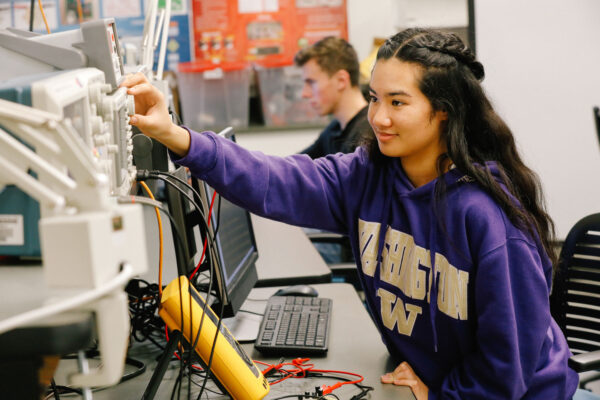
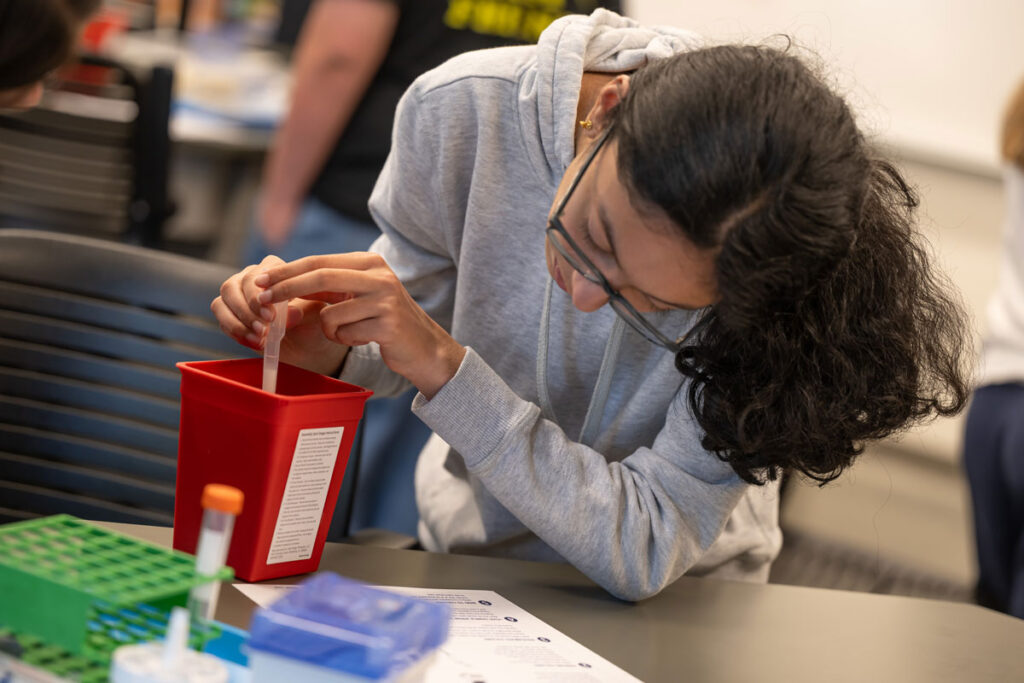
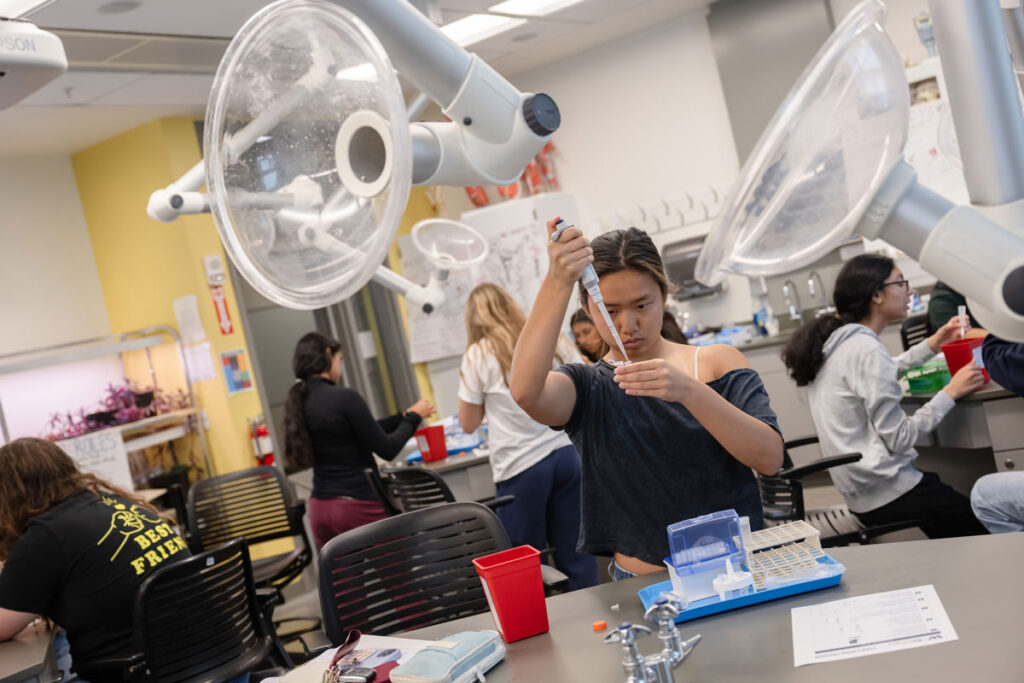
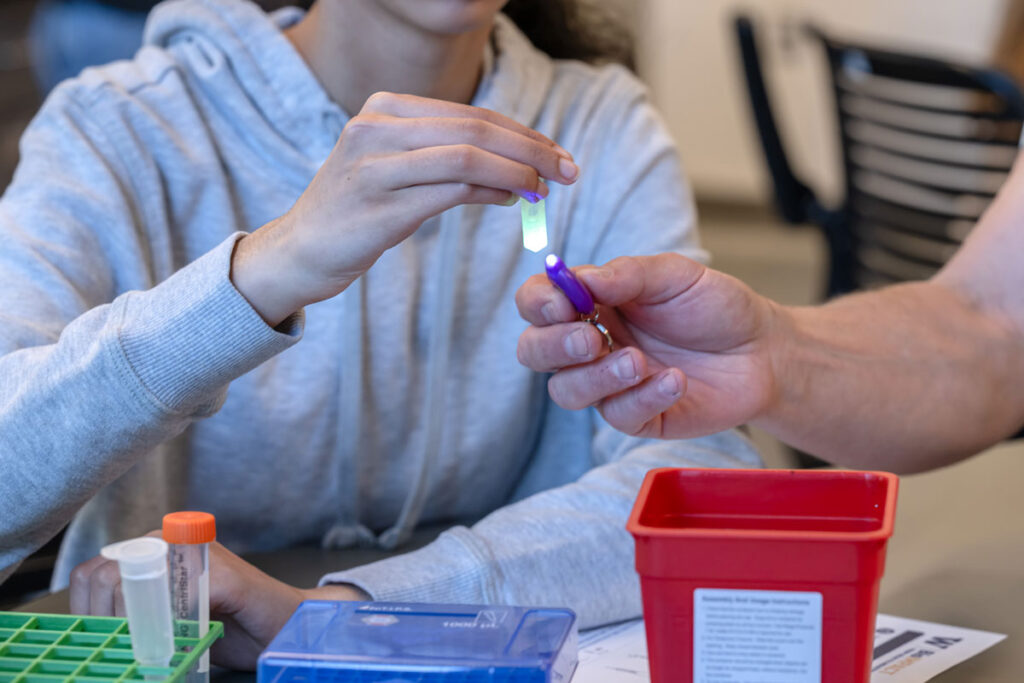
The daily lab work included activities such as dissection, electrocardiogram reading, DNA electrophoresis, biomaterials design, medical illustration and more — helping the participants to build skills and identify areas of interest. The group also toured the campus, attended a young professionals panel and visited local biotech companies.
The business of biotech
One of this summer’s new camps was titled “ImmuneRx: A Prescription for Innovation.” Students learned about immunology and vaccine innovation through lab work and studying real-world applications.
Also new in 2026 is a partnership with UW Bothell’s School of Business that resulted in a camp focused on the role business plays in the biotech industry. This camp was spread across two parts, with students learning about “Biotechnology Entrepreneurship” in late August and “AI and Data Science in Biotechnology” in September.
The collaboration came about to support the interdisciplinary focus of CBIT, said Dr. Brandon Fleming, assistant teaching professor in the School of Business. With a background working in and with biotech startups, Fleming shared his expertise and taught several of the camp modules.
“Biotechnology is by its very nature interdisciplinary because developing breakthrough solutions necessitates understanding the business opportunity,” Fleming said, adding that because companies need to validate the business potential of biotech solutions before investing, business and biotech must go hand in hand.
“Students in this camp are exposed to both the science and business aspects of biotechnology,” he said. “This combination of experiences will give future UW Bothell students a vision for the careers they may pursue.”
Partnerships open doors
Critical to making the summer camps possible is strong support from regional partners, Hamilton said. The program was funded by foundry10, an organization focused on educational research and applying it to real-life settings with students.
“If you give students the chance to explore things, you give them the chance to see different aspects of themselves,” said Lisa Castaneda, foundry10 co-founder and a 2012 UW Bothell alumna with a master’s degree in Education, in a 2026 interview. “The value of education is that it gives people choices and opens doors.”
While recruiting participants, Hamilton and Fleming also reached out to iUrban Teen, a local educational program that brings together underrepresented teens and young adults for career exploration and mentoring. The nonprofit organization had previously partnered with UW Bothell on environmental workshops for high schoolers.
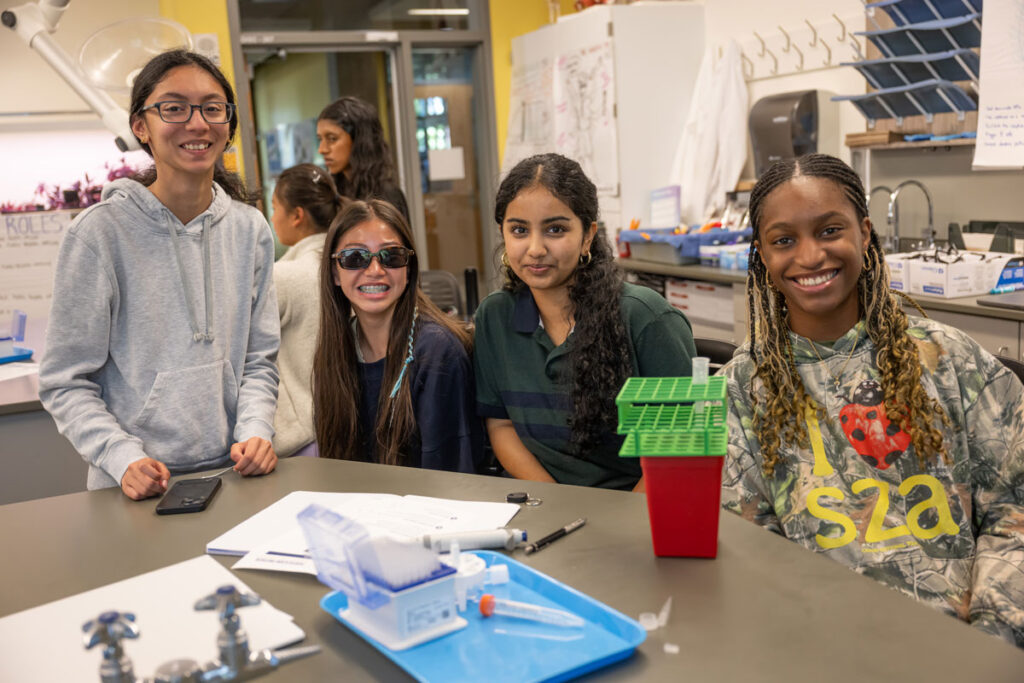
Students from iUrban Teen attended not just one, but all three of the camp experiences offered.
Many of these students come from areas and backgrounds that often lack access to career-exploration opportunities such as the CBIT camps, said Gabriel Navarro, iUrban Teen’s Seattle program manager.
“For our students in these camps, this is one of the first times they’ve been exposed to biotech and could see themselves in that field — and feel empowered to believe in themselves and have the confidence to pursue it,” Navarro said. “Imposter syndrome is something many students of color and students of economically disadvantaged backgrounds face, and I think it’s really important to address those issues at a younger age in a student’s journey, before they get to college.”
Pathways and passion
Students in CBIT’s summer camps all gained knowledge and exposure to some of the foundations of science and business. They also walked away with life lessons on how to choose a pathway that might suit them best.
In surveys at the close of each camp, students were asked to share what advice resonated with them. One word kept cropping up: Passion.
“Choose an area you are passionate about and commit to becoming an expert in that area,” wrote one participant.
“Find a passion, nurture it and grow it,” said another.
When students find something they’re passionate about, Navarro said, it doesn’t just benefit them.
“Creating more steppingstones and access for students leads to better outcomes not only for our youth — but also our communities, our economy and everything else.”
“Creating more steppingstones and access for students leads to better outcomes not only for our youth — but also our communities, our economy and everything else.”
Gabriel Navarro, program manager, iUrban Teen Seattle