South Korea was a traditional agrarian society until the 1960s. Today, it’s one of the most industrialized countries in the world — home to thriving high-tech industries such as consumer electronics, electric vehicles and information technology.
Originally from South Korea, Dr. Jong Yoon is now associate professor in the University of Washington Bothell’s School of STEM. And when he heard from students about their desire for an engineering-focused study abroad program, his home country seemed the perfect fit.
Yoon launched the first trip of the new program, “Korea Engineering Experience- Innovation, Culture and Global Collaboration,” this summer.
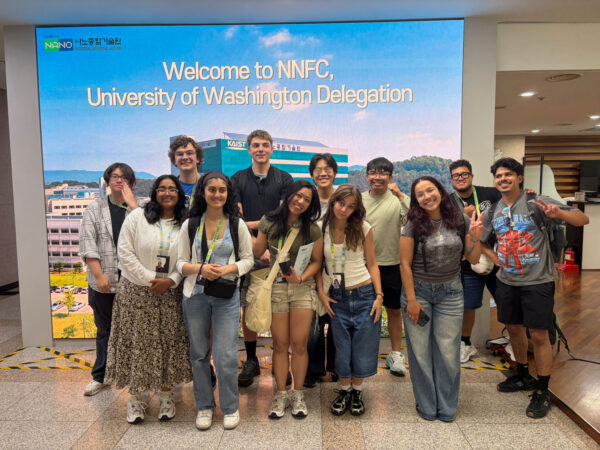
Over the course of a month, 13 students not only learned about engineering and Korean culture — they also worked together with students at host institutions to solve real-world engineering problems.
A cross-disciplinary program
Co-leading the trip alongside Yoon was Dr. Hee-Seok Kim, assistant professor in UW Tacoma’s School of Engineering & Technology, who is also from South Korea. Last year, the pair went back to their homeland to begin planning the program using an exploratory grant from UW Bothell. They found two institutions interested in hosting UW students and started developing the curriculum.
“We wanted to keep the program broad and not specifically focused on one single discipline or department,” Yoon said. “We aimed to make it more universal, a program various engineering students — including mechanical, electrical, computer science — and even non-engineering students could enjoy and learn something from.”
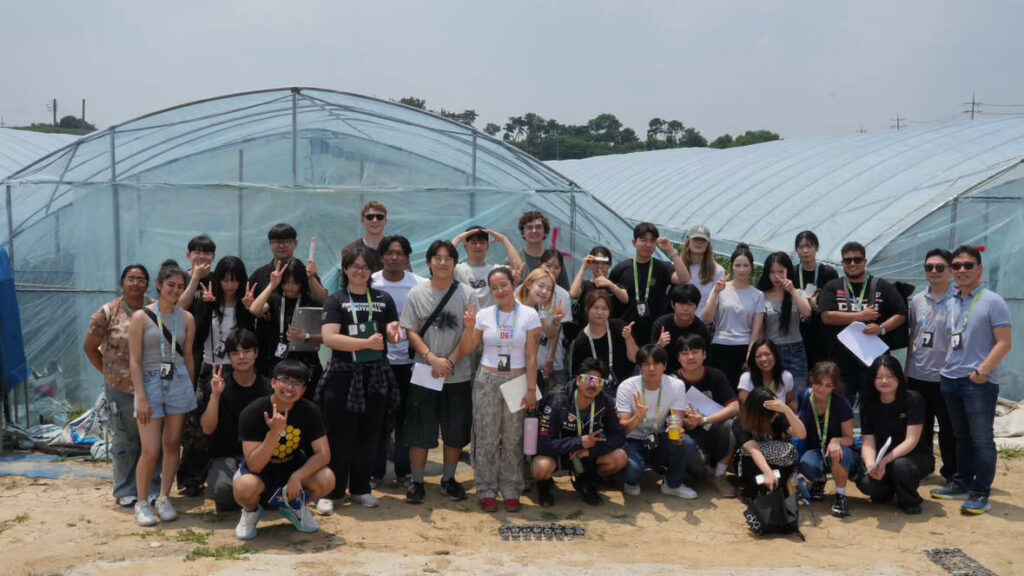
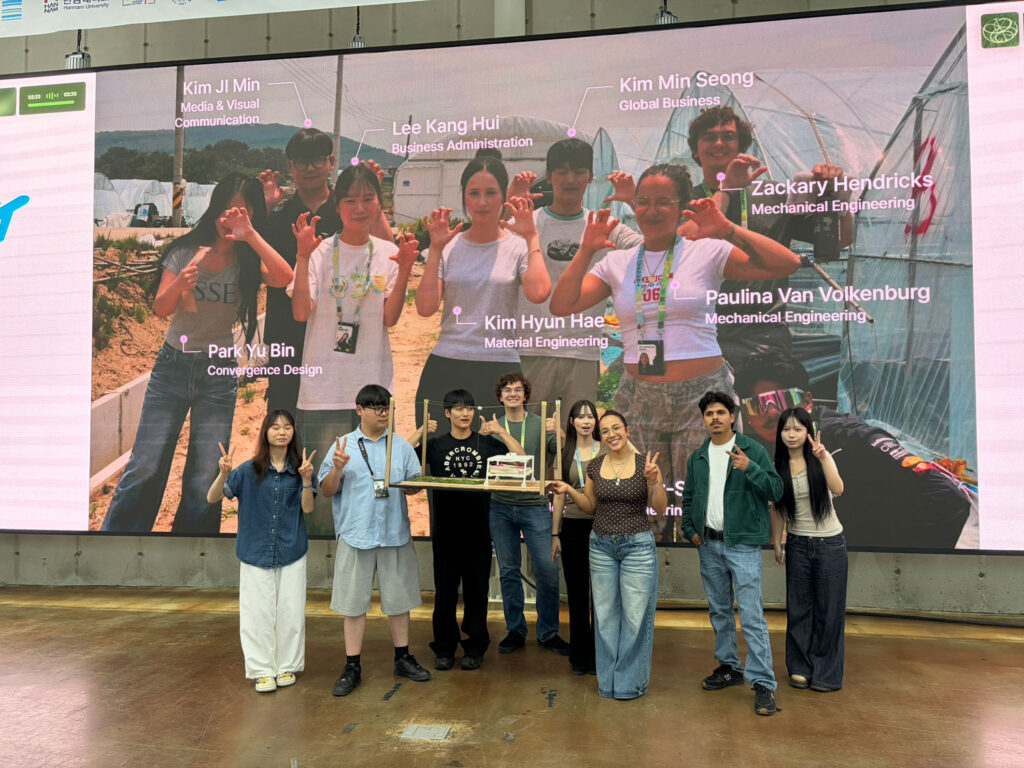
The 12-credit program featured three courses. The first was a project-based class, “Innovation & Collaborative Design Thinking: Micro Design Challenge,” in which students worked in interdisciplinary, multinational teams at the Hannam University Design Factory in Daejeon, South Korea. Students developed innovative solutions to given problems and project themes provided by a local company.
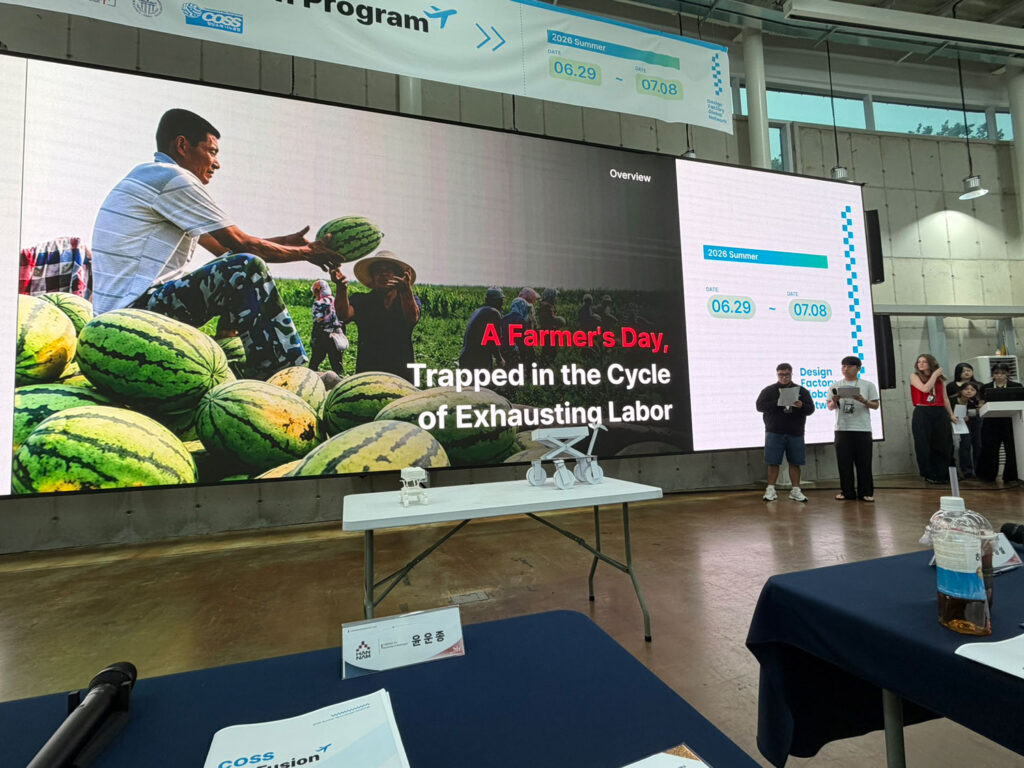
“The first hosting institution was the biggest hit,” Yoon said. “Students were formed into four groups to solve a single client problem, which was designing a robot for a greenhouse watermelon farm.”
While the UW students were mostly STEM majors, the local Korean students working on the project included students from a range of disciplines, from business and industrial design to media and communication studies.
International teamwork
For Ben Griscom, a junior majoring in Mechanical Engineering, working with his Korean counterparts was the highlight of the project.
“The most challenging part of the trip for me was also the most fun: collaborating with our Korean partners at Hannam University,” he said. “We got to collaborate with Korean college students to invent a product from scratch and utilize their incredible makerspace to bring our idea to life.
“It was difficult navigating the moral and cultural differences and ways of thought,” he said, “but I argue the output would otherwise not have been as thorough and impressive if not for our differences.”
“It was difficult navigating the moral and cultural differences and ways of thought, but I argue the output would otherwise not have been as thorough and impressive if not for our differences.”
Ben Griscom, junior, Mechanical Engineering
The teams presented their prototypes to reviewers, including the chief operating officer of the company.
Having localized solutions for the farm was especially key, Yoon noted, because the farm was a small operation, run by older proprietors in a mountainous region. Upon hearing that it sometimes took the farmers weeks to apply film to cover the greenhouses, one of the teams created an automatic film roller.
Immersive experience
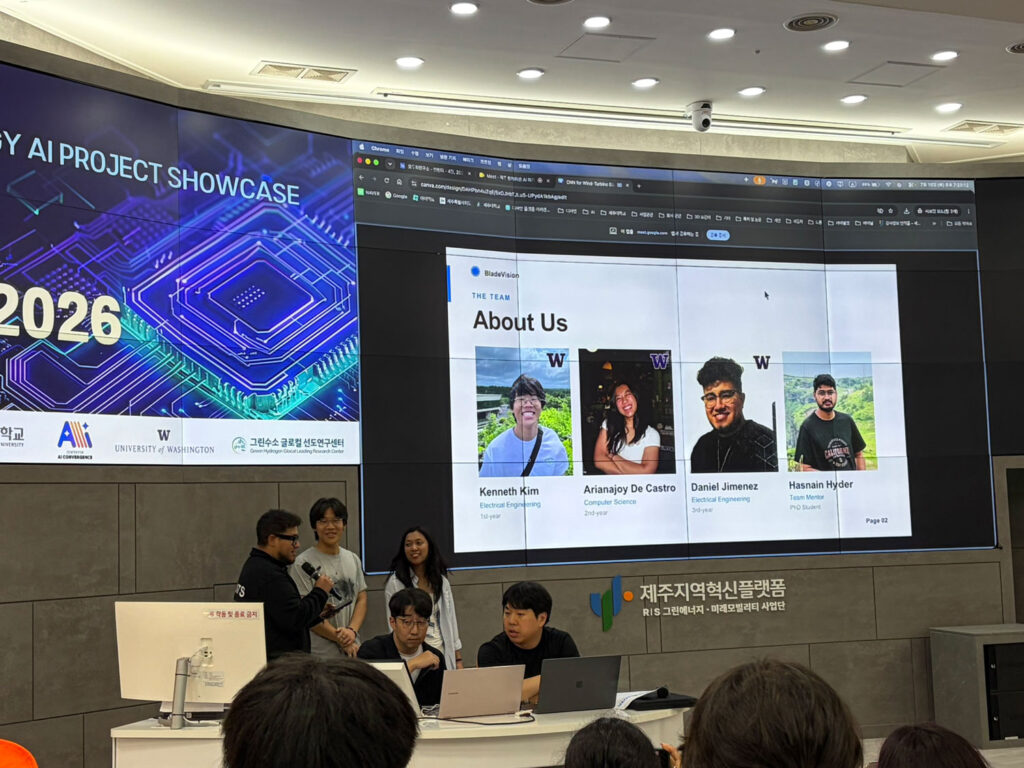
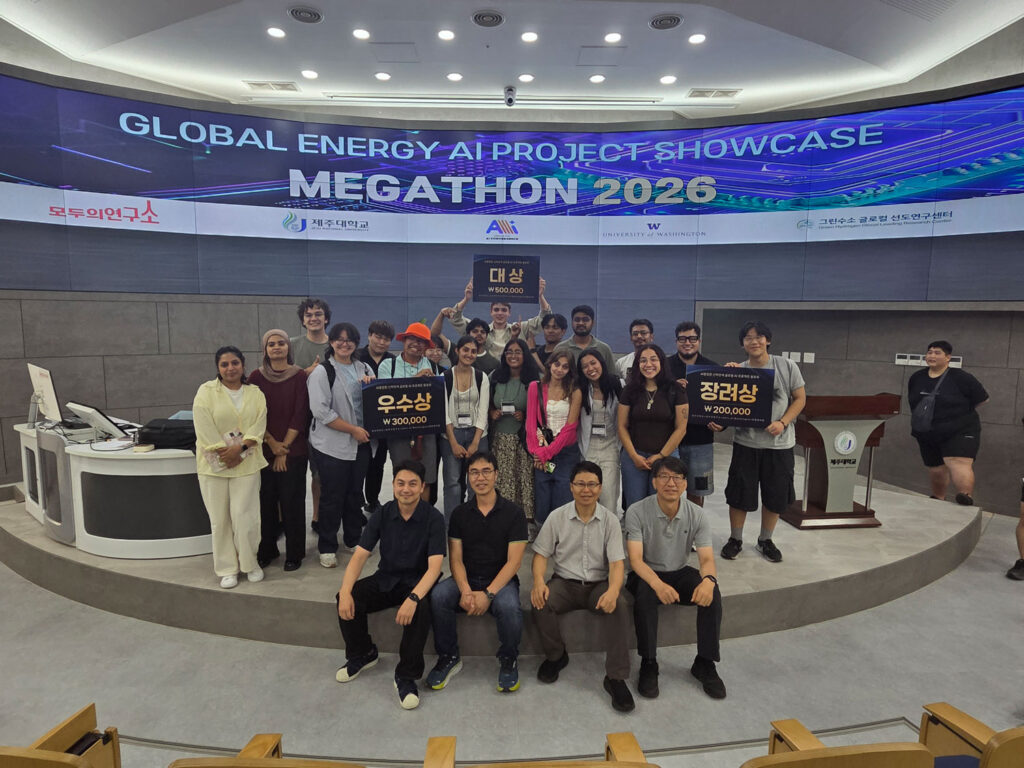
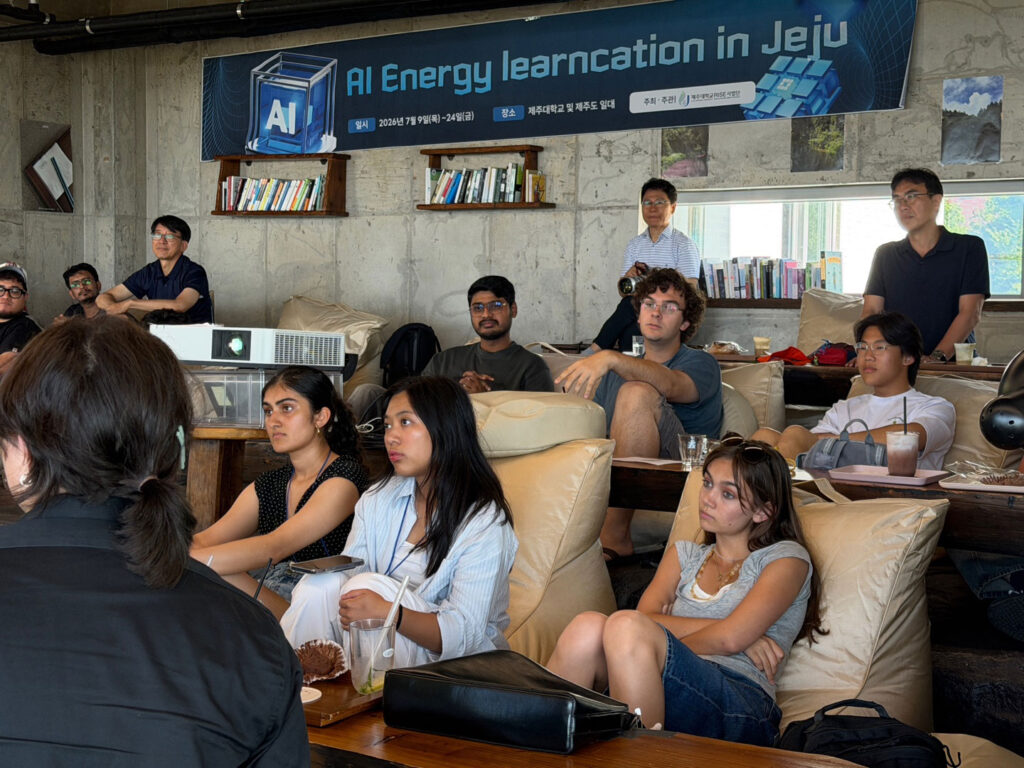
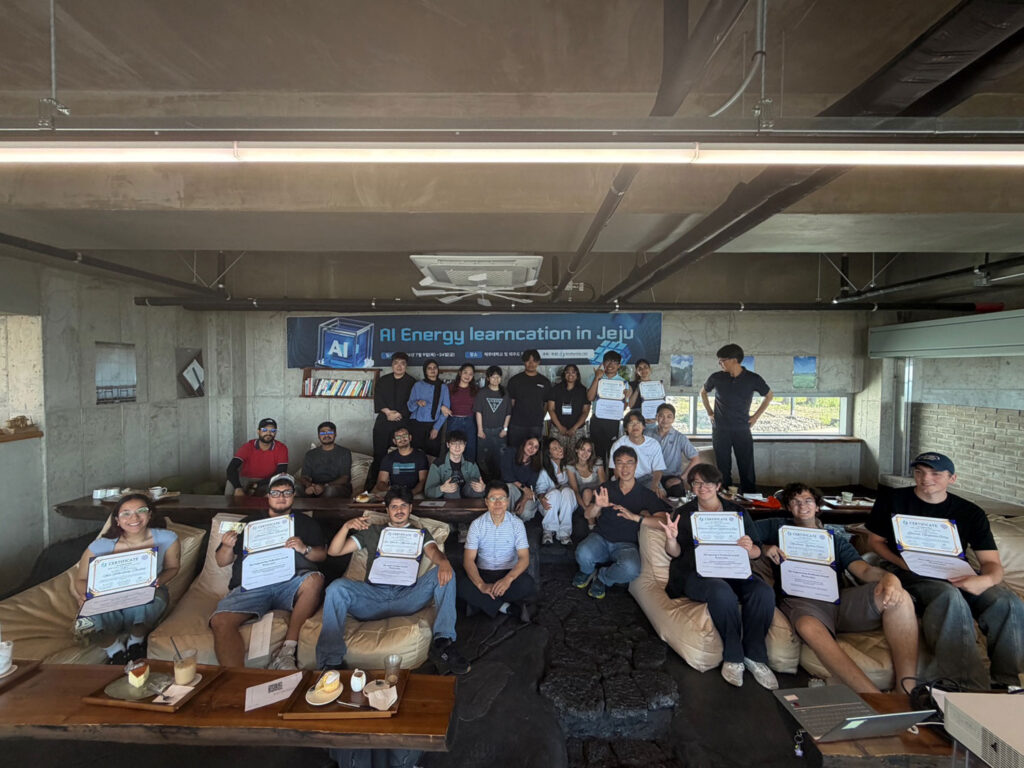
In the second class, “AI and Renewable Energy Innovation in Jeju Island,” the UW Bothell students again partnered with a local university on hands-on projects with industry partners.
South Korea’s largest island, Jeju Island, is currently working toward a goal of having 100% renewable energy by 2030 — making it the perfect place to encounter innovative renewable energy systems.
A junior majoring in Electrical Engineering, Jay Tampinco is considering a career in renewable energy and was especially interested in this course, during which the students visited renewable sites, met with local industry partners and were mentored by graduate students from Jeju National University who specialized in AI.
“In Jeju National University, we worked alongside Ph.D. students on their respective projects,” he said. “What we helped with was an on-demand forecasting AI model for electric vehicle chargers. It took a while to wrap my head around it, but after that course I now better understand the benefits of using AI as a tool.”
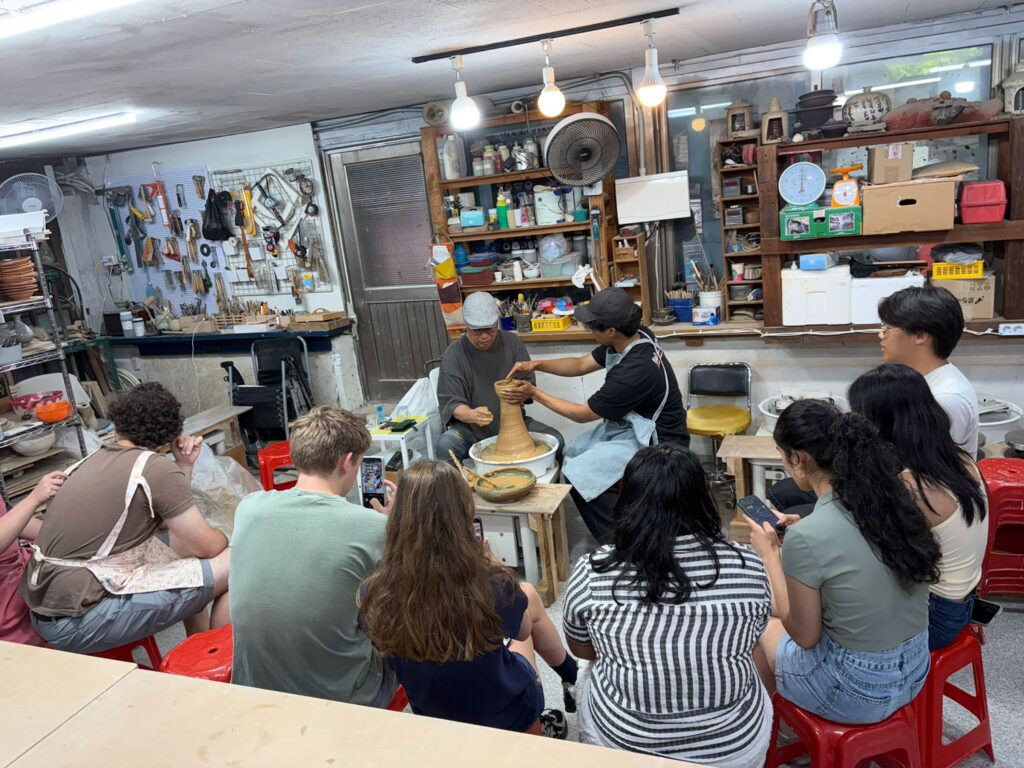
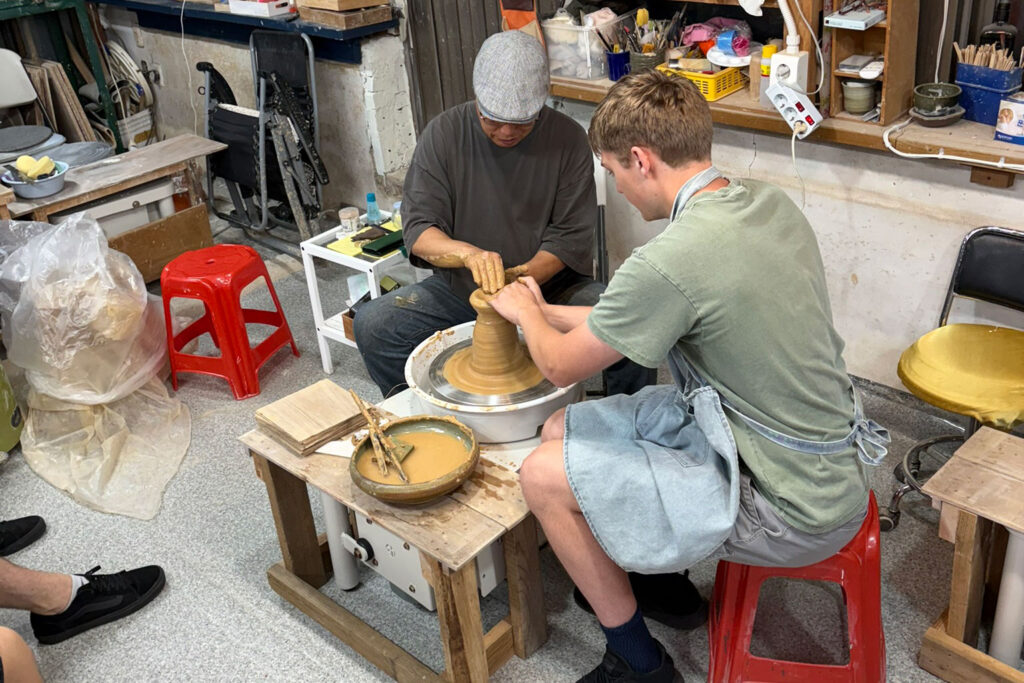
The third and final course, “Immersive Korea: Society, Technology and Heritage,” focused on the cultural aspects of the study abroad experience — including five field trips to three major cities and cultural regions across the country.
“The culture course was incredibly interesting,” Griscom said. “It was so diverse as well, as we went all the way from walking around city streets to walking in a ceramics village way out from the city.
“I also really enjoyed our time on Jeju Island, where we were in a tropical paradise with a lot of freedom.”
Lasting connections
The trip culminated in a final presentation, where students demonstrated what they’d learned over the course of the program.
“The highlight of my trip academically was the final presentation. It was an amazing feeling to present so confidently on what I had spent the last two weeks learning about,” Griscom said. “I indeed learned a ton about the design process for just about any marketable product, which was exciting. It was incredible to work with a cross-cultural group of college students and get their unique viewpoints.”
Beyond the technical skills and knowledge they gained, Yoon noted that the students also learned the fundamental — and essential — skill of building relationships and networking.
“The best part of the trip was the people I went with,” Tampinco said. “I met some amazing people that I hope to have very long friendships with.”