Dr. Naomi Macalalad Bragin is out to challenge expectations.
In her classes at the University of Washington Bothell — which span dance, cultural politics, collective healing and performance — students don’t simply receive an intellectual knowledge transfer.
They learn, said Bragin, associate professor in the School of Interdisciplinary Arts & Sciences, to practice presence.
“How often,” she asked, “do we teach students in classes how to notice the world around them, how to be empathetic, how to listen to each other and be present with each other in the classroom?”
In a deep artistic inquiry called “Grief Rituals,” Bragin trains that lens on a universal but misunderstood human experience: grief. Specifically, the grief associated with migration.
“Not many classes or professors or teachers are willing to talk about grief,” said Media & Communication Studies major Mariyah Hicks who took Bragin’s Street and Club Dance Workshop class last spring.
“For Professor B to bring it to school and open it up to students — it’s really cool to open that door for us.”
The power of the collective
Since January, Bragin and a range of artistic collaborators — with support from Hicks and other UW Bothell students plus a student from the University of Washington in Seattle — have used story, song, dance and performance to explore grief and loss as a collective experience. Sometimes, things get messy.
“There’s mucus, there are tears, there are fluids,” said Bragin. “It’s not supposed to be clean and contained.”
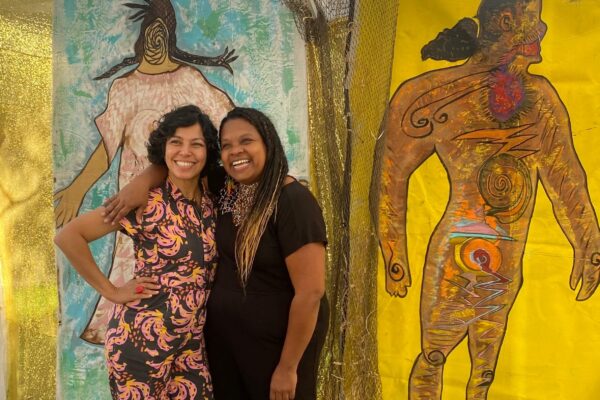
She and “Grief Rituals” co-artistic director Milvia Pacheco Salvatierra focus on migration as a deep form of cultural loss, memory and collective healing. In grant-supported workshops and ceremonies around Seattle, they’ve witnessed — and experienced for themselves — the power of community ritual to unearth buried grief.
“There’s this idea that time is going to help us move through feelings,” said Salvatierra, “but that’s not right. This space has provided a process for me to attend to different unprocessed griefs and to connect with ancestral love.”
Hicks, who serves as the project’s research assistant, reports a drastic change in the way she looks at grief: “By turning it into art, we’re moving away from the stigma of mourning as crying and depressed.
“Professor B has allowed me to see it differently, that it could be woven with joy and laughter.”
By turning it into art, we’re moving away from the stigma of mourning as crying and depressed.
Mariyah Hicks, junior, Media & Communication Studies
Pageantry and rhythm in Seattle streets
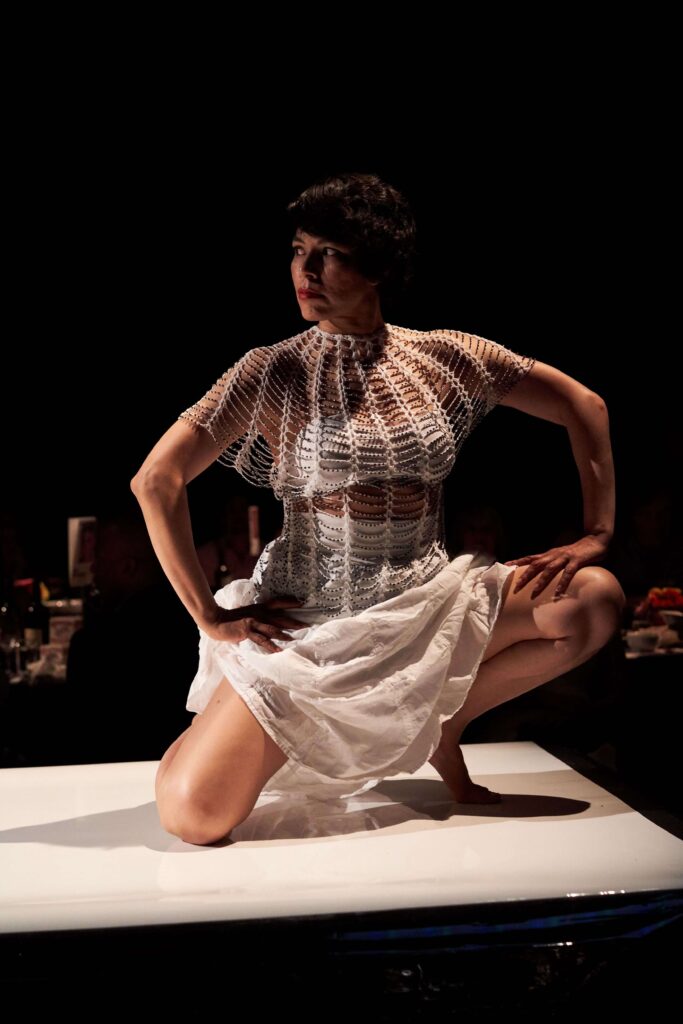
The nine-month “Grief Rituals” project culminates on Saturday, Oct. 3, with a five-hour dance and storytelling performance procession.
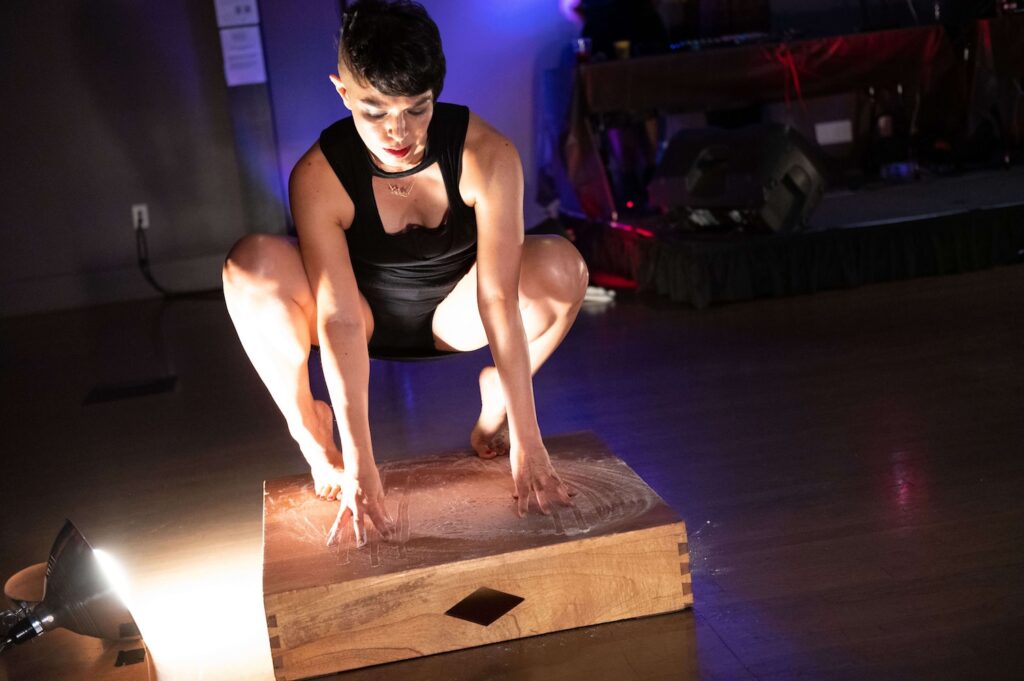
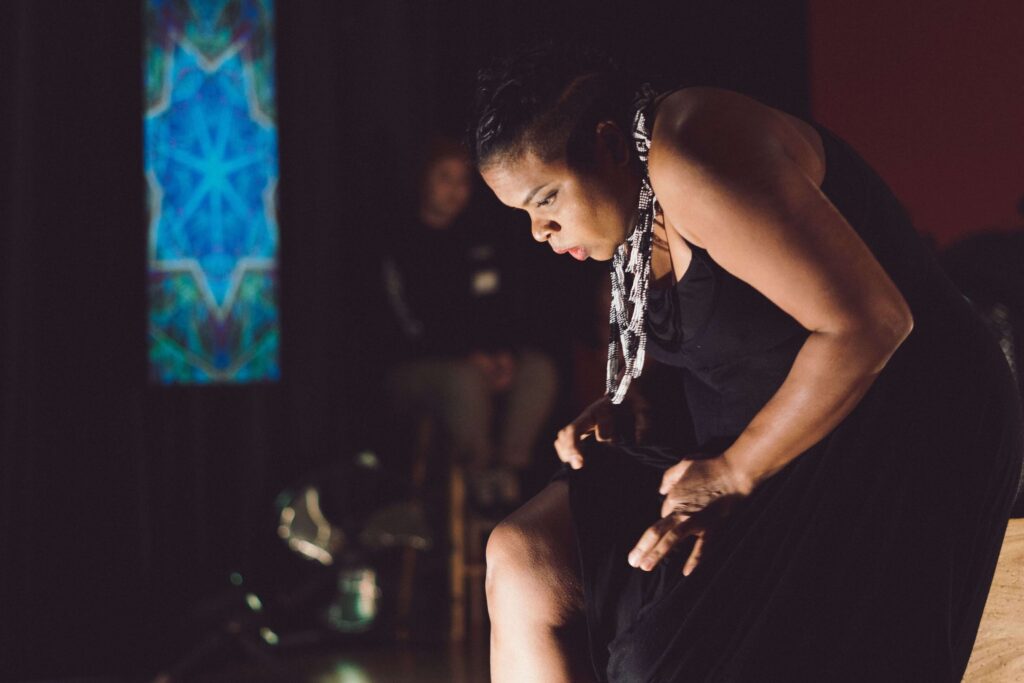
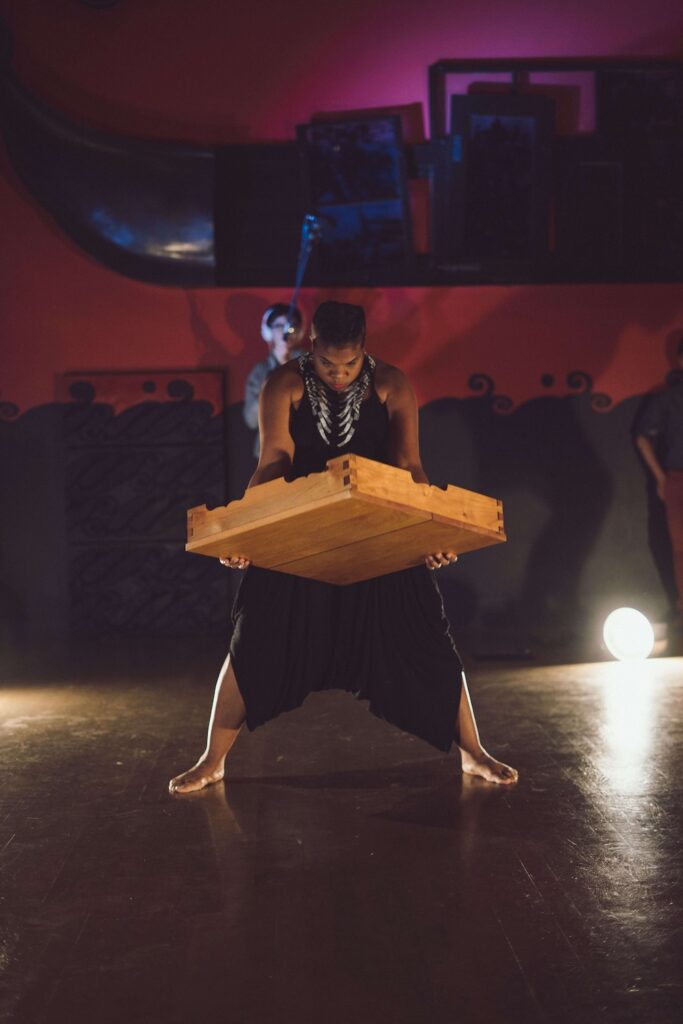
Beginning at A Resting Place in Seattle’s Chinatown International District, Bragin and four other performers will dance, sing and pray their way to the waterfront, accompanied by a spiritual guide and a support team.
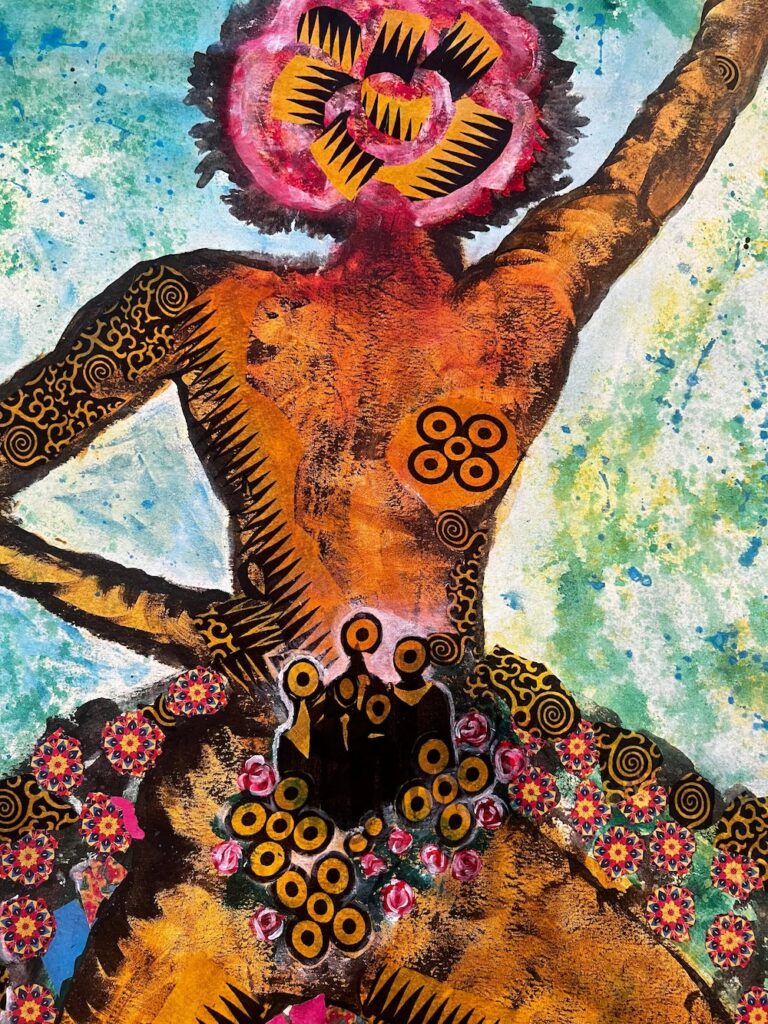
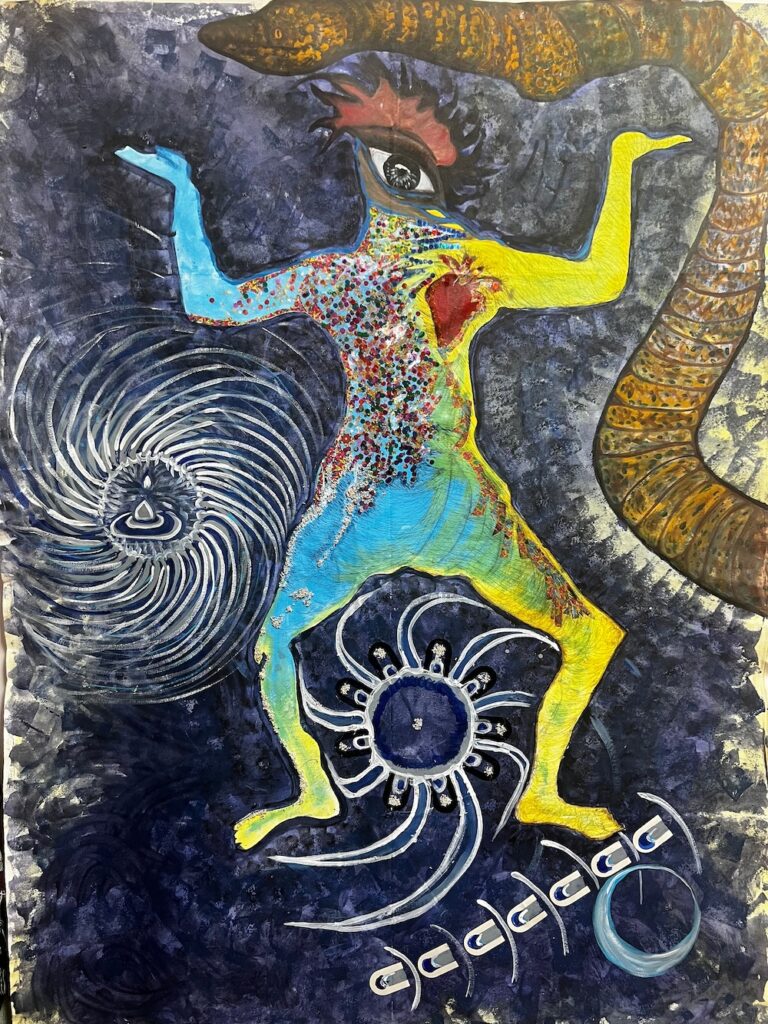
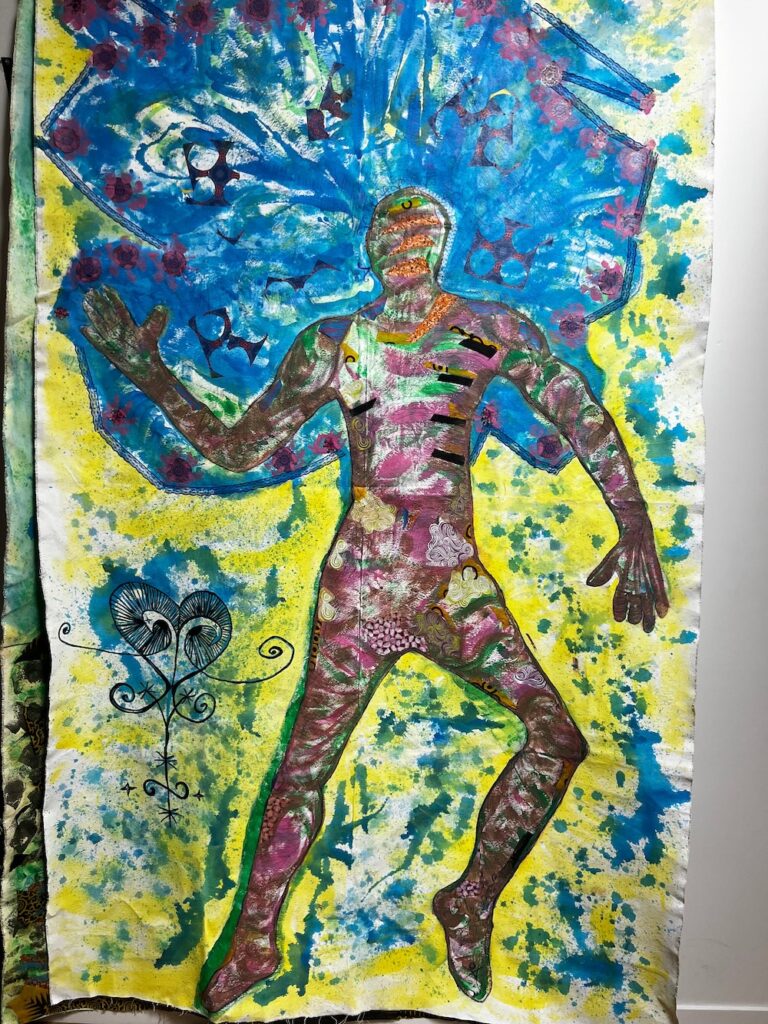
The procession, flanked by five larger-than-life painted canvases, will be hard to miss as it moves down Jackson and King streets. Each canvas, painted by Salvatierra, features a performer’s full-body silhouette against backgrounds of golds, blues and purples. The outsized forms contain symbols and swirls that evoke the non-linear nature of grief and healing.
As with any migration journey, the “Grief Rituals” procession will make stopovers, including the top-floor ARTS at King Street Station Gallery. There, the dancers will have space to explore some of their own ancestral migration stories, which encompass the Philippines, the Caribbean, South America and the African American diaspora.
Back on the street, said Bragin, performers will repeat certain songs, dances and prayers. She has penned “The Mourning Song,” a call and response set to an old spiritual, to engage audience members.
“The important thing about a ritual,” said Bragin,” is that it can repeat over time. Through the repetition, there is a deepening or a heightening of consciousness and awareness.”
Support for grief as a healing practice
Onlookers will also have the support of grief guides along the procession route. That role, said Bragin, is extremely important.
“They’ll attune to what’s happening on the route, be responsive, connect with people and explore what it means to grieve as a healing practice,” she said. “Asking them to hold space for grief — it’s a different concept than giving someone a tissue or patting them on the back.”
Grace Fagbenro, a senior majoring in Psychology, will be on hand for the procession, supporting the performers and helping to carry the five-by-seven-feet canvases.
Her months-long involvement as a “Grief Rituals” volunteer has brought home the importance of offering her future therapy clients, especially those from non-mainstream cultures, a range of modalities when working through life and loss.
“The grief ritual does a great job in giving people a place to feel what they need to feel — what gets pushed away, locked away,” Fagbenro said. “It gives us a space to open up, not just to ourselves but to each other.”
“I want people who watch the procession to see that there is another way to feel that grief.”
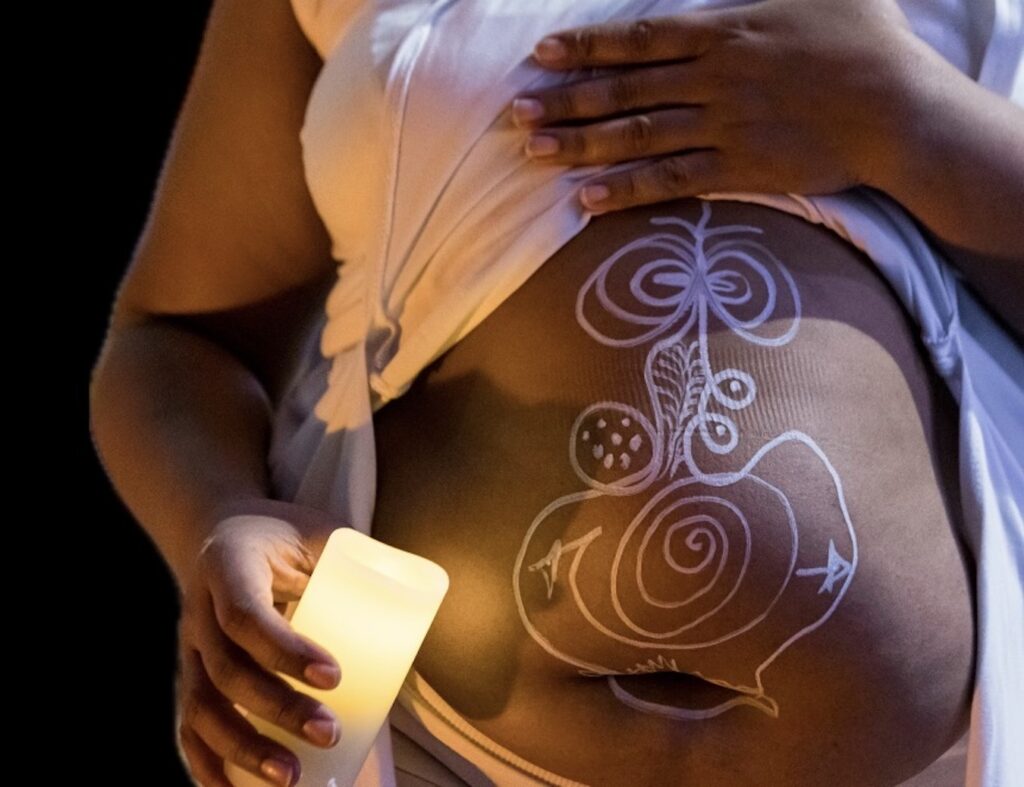
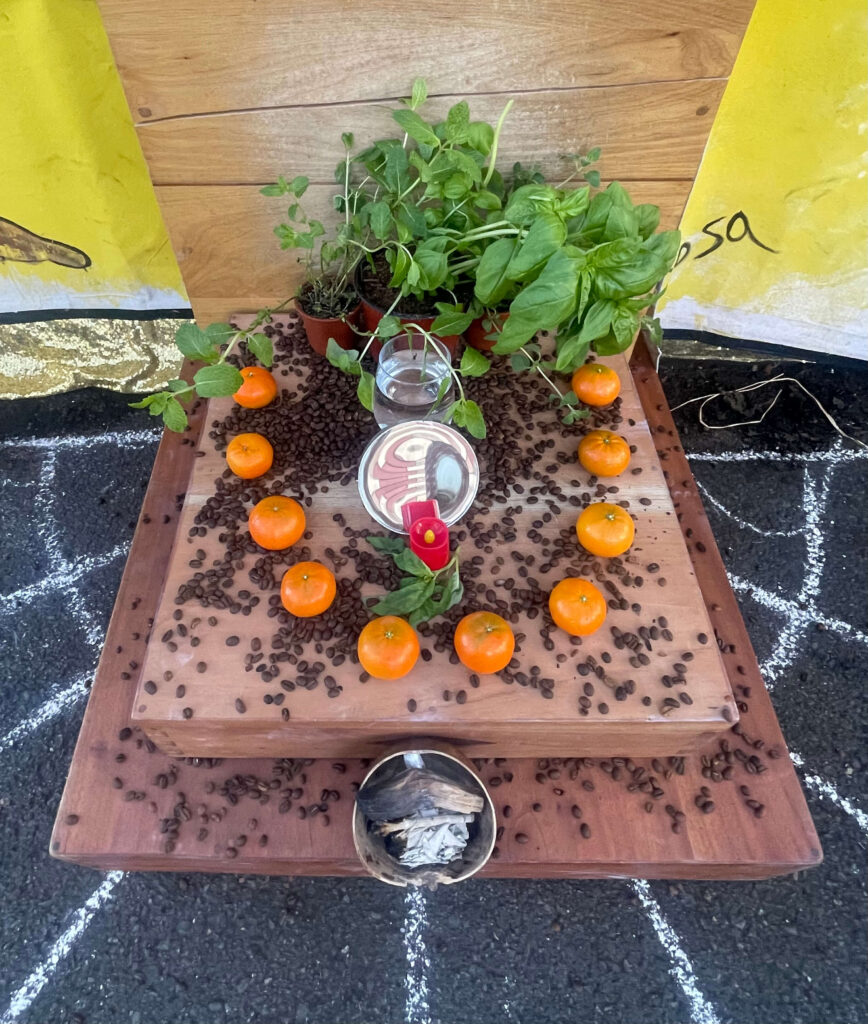
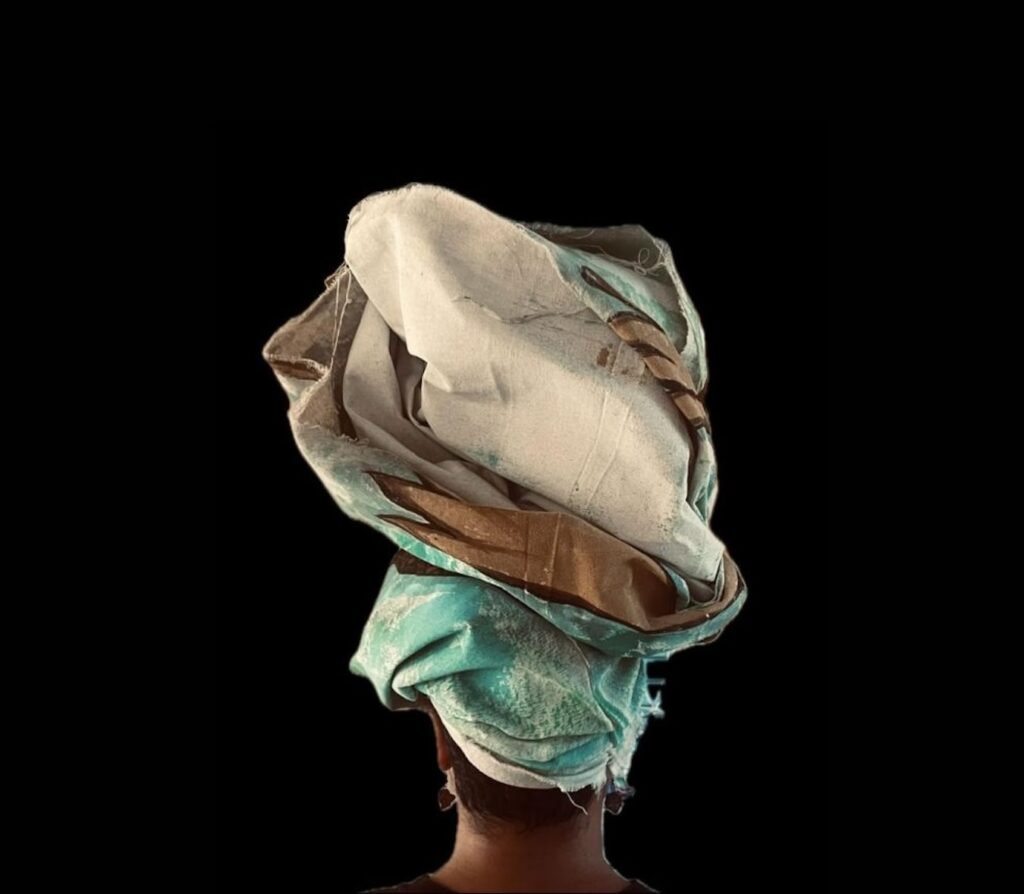
In addition to Fagbenro and Hicks, grief guides include UW Bothell students Queeness Francis-Alagoa, first-year, pre-major; Victoria Muni, sophomore, pre-major; Sophia Olvera, first-year, pre-Business; and Caleb Tecleab, junior, Mechanical Engineering. Ira Wade Harris, doctoral student in the Interdisciplinary Graduate Program at the UW in Seattle, is also serving as a grief guide.
Canvases painted by Milvia Berenice Pacheco Salvatierra. B. 1972 San Augustin del Sur, Caracas, Venezuela. Lives and works in Seattle. Dancers’ photos taken by Truong and by Jonathan Vanderweit.
“Grief Rituals” is supported by funding from the UW Simpson Center for the Humanities, King County’s 4Culture and the city of Seattle’s Office of Arts & Culture initiative, “We Still Dream a Future.”