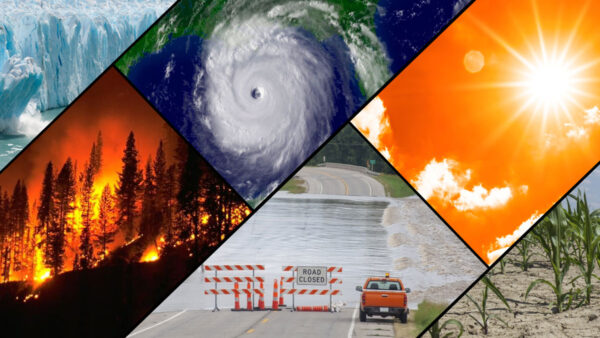
According to the World Meteorological Organization, 2024 was the warmest year ever recorded. In WMO’s latest report, however, 2025 saw a new, even more concerning high in Earth’s energy imbalance: the difference between incoming sunlight and the radiation that is reflected and emitted back from Earth.
This metric is considered one of the most accurate indicators of climate change, and it has more than doubled in recent years.
The widespread impacts of this imbalance are being felt across the world already, impacting everyone, but young people are especially vulnerable. As those most likely to experience extreme climate events during their lifetime, younger generations are feeling the burden, and it has already taken a toll. Many youth under the age of 25 — including children as young as preschool age — report having climate anxiety as well as fear and hopelessness for the future.
Younger people also tend to be the most engaged in climate activism. And at the University of Washington Bothell, students now have a new opportunity to channel their passion for climate issues into their personal, academic and career goals through the recently launched minor in Climate Change & Society.
A collaborative effort
Climate change affects all areas of life and society — posing existential risks to ecological, economic and social systems on local, national and global scales. That’s why it makes sense that climate themes can be found across all five of UW Bothell’s schools.
Faculty have been incorporating climate curriculum into their classes since UW Bothell was founded more than 35 years ago. But just a few years ago, a group of faculty banded together to consider how they might expand on this work to offer a focused academic minor.
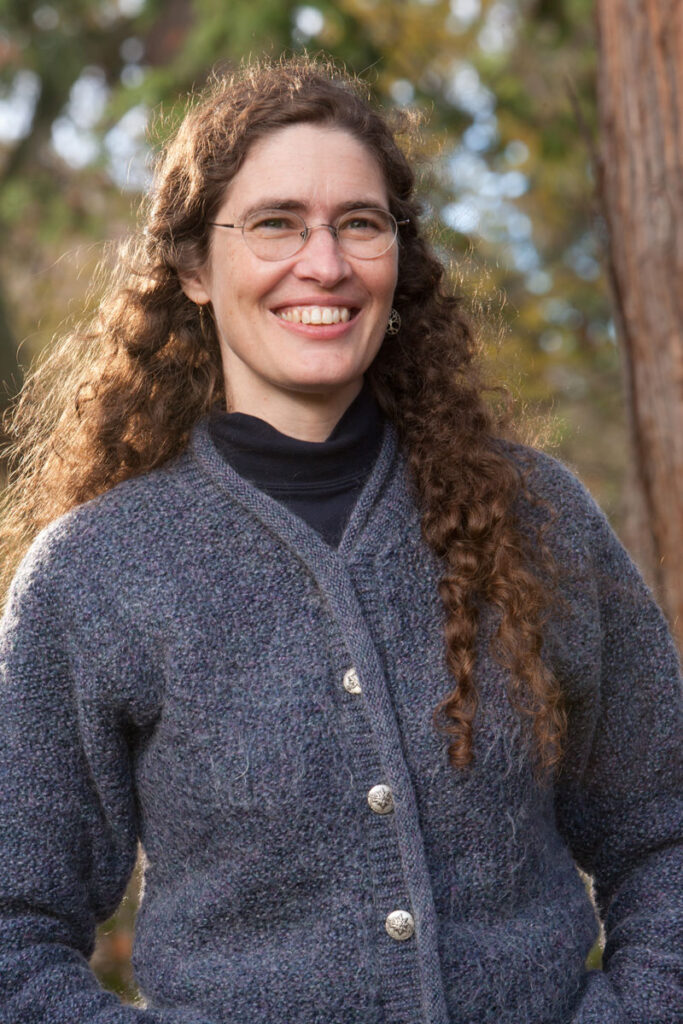
“Climate change is impacting our world enormously — and will only increase its impact — so how can we engage to address this was really our guiding question,” said Dr. Martha Groom, professor in the School of Interdisciplinary Arts & Sciences. “We wanted to have more options and coursework to allow students to really dig into climate issues more deeply.”
One of the faculty members leading the conversation, Groom said the minor came together as a collaborative effort with the intention of developing a curriculum that could complement any academic major.
And while faculty have incorporated climate curriculum in their classes out of their own interest for the subject, they also do so as part of a teaching philosophy that centers the needs and voices of their students.
Faculty polled students on what issues were most important to them, Groom said, noting that student voices and perspectives were instrumental to launching the new minor.
From student interest
Not surprisingly, the Alliance 4 Sustainability student club supported the new minor’s creation.
The current A4S president, Cisco Jimenez, was a member of the club during that time and helped organize an event for students to provide input.
“This minor will help engage more students in the bigger fight against climate change,” said Jimenez, a senior majoring in Environmental Studies who is also pursuing the new minor. “My hope is that this minor will help inspire students from all majors and fields to think about their role in the fight against climate change so that we can work together to make a difference.”
Shahrzad Tehrani, campus sustainability coordinator and adviser to A4S, helped facilitate student and faculty discussions and organize town hall meetings.
“Something many of us on campus are working on is demonstrating that sustainability is relevant to everyone, not only students in traditionally ‘environmental’ majors,” Tehrani said.
“The Climate Change & Society minor supports campus sustainability by creating an accessible pathway for students from any discipline to develop sustainability knowledge and skills they can apply on campus — and in their future careers.”
“There are so many ways our faculty and students are engaging substantively in work that matters and improves the lives for the people who live here. And that ethos is really central to who we are at UW Bothell.”
Dr. Martha Groom, professor, School of Interdisciplinary Arts & Sciences
For every major
Spring 2026 marks the first quarter that students can graduate with the minor.
The minor includes core courses that introduce scientific, social, political, health and economic dimensions of climate change. Students enrolled in the minor receive foundational training to support their understanding of these various dimensions, as well as fundamentals in environmental and social justice.
“We tried to build it out so that you could be a student from anywhere on campus and have some connection to your degree,” Groom said. So far, she has already heard from students in a variety of programs — from students majoring in Conservation & Restoration Science thinking about how to do restoration work in a changing climate to Media & Communication Studies students interested in helping the broader public engage in, prepare for and adapt to climate change.
As many of the new minor’s courses don’t require prerequisites, students who are not sure if they want to commit to the full minor are welcome to select classes that suit their academic and career interests. Some classes, such as “Climate Anxiety, Grief and Resilience,” also appeal to students on a more personal level — helping them to move from feelings of despair to actionable solutions.
Local and global
“I think it’s really typical of our campus to focus on what we can do for good right here and now,” Groom said. “There are so many ways our faculty and students are engaging substantively in work that matters and improves the lives for the people who live here. And that ethos is really central to who we are at UW Bothell.”
Students who voiced the desire for more climate curriculum are proof of that, and she encourages all students to feel empowered to talk to faculty about incorporating the issues they care most about into their classes.
“We were motivated as faculty to do this full on because we all care about climate change, but it was absolutely huge that students similarly felt it was important,” she said. “Ultimately, they push us a lot, and that’s a great part of teaching.”