At the end of each winter quarter — when all the tests and presentations are over — students embark on the time-honored ritual of a spring break to recharge before the next quarter. Many students head home to be with family or depart for warmer climes, but some choose to spend their spring break a different way.
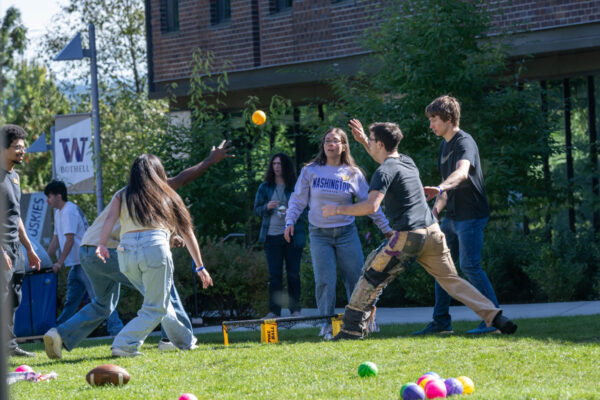
The University of Washington Bothell and Cascadia College (which is co-located on the same campus) offer Alternative Spring Break each March for students looking to engage in community service and educational programming. Participants connect with each other, learn new skills, volunteer with nonprofit organizations and support their local communities. Past ASB experiences include nature walks and trash pickups, beach cleanups and farm work parties with local partners.
This year, Rileigh Thompson, program manager for Outdoor Wellness on campus, added something new to the mix: an overnight camping trip in Washington’s Dosewallips State Park.
“With overnight programs there is so much more opportunity to create a curriculum and have students connect with one another about what they learn,” she said. “To actually live in the environment for a brief time and see what’s happening around you — it gives a whole new perspective.”
Spreading her wings
Thompson first joined the Outdoor Wellness team while majoring in Biology at Cascadia College. As an OWL, or outdoor wellness leader, she worked to create, organize, promote and implement trips and programs for the students, including ASB. After completing her associate degree, she decided to continue her education at UW Bothell — and continue in her role as an OWL.
“I didn’t know exactly what I wanted to go into, but I knew that I loved wildlife and connecting with other people in nature, and my position in Outdoor Wellness fueled that passion,” she said. “I absolutely loved it, and it changed my life in more ways than one.”
In 2024, she graduated from UW Bothell with a bachelor’s degree in Conservation & Restoration Science and with minors in Biology and in Geographic Information Systems. But she didn’t feel ready to leave the campus, or the OWLs, just yet. So when a staff position opened as she was graduating, she leapt at the chance.
Now, Thompson oversees everything from the gear shop to educational programming to the student OWLs program. And in her now expanded role, she saw an opportunity to engage ASB students in nature more deeply by adding an overnight component to the experience.
Spending time in nature
Thompson was also excited at the prospect of tapping into her own academic background. She selected Dosewallips State Park as the perfect location to illustrate complex marine ecosystems and their conservation needs.
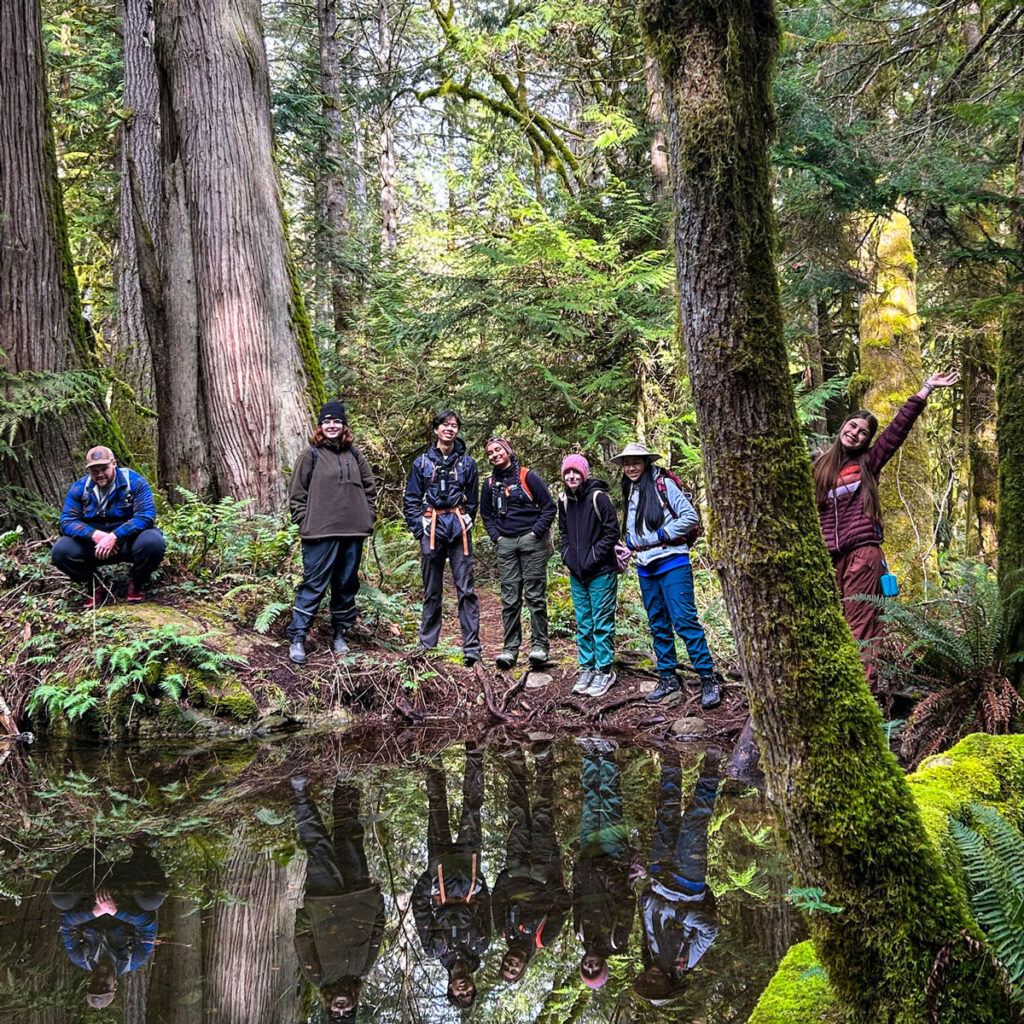
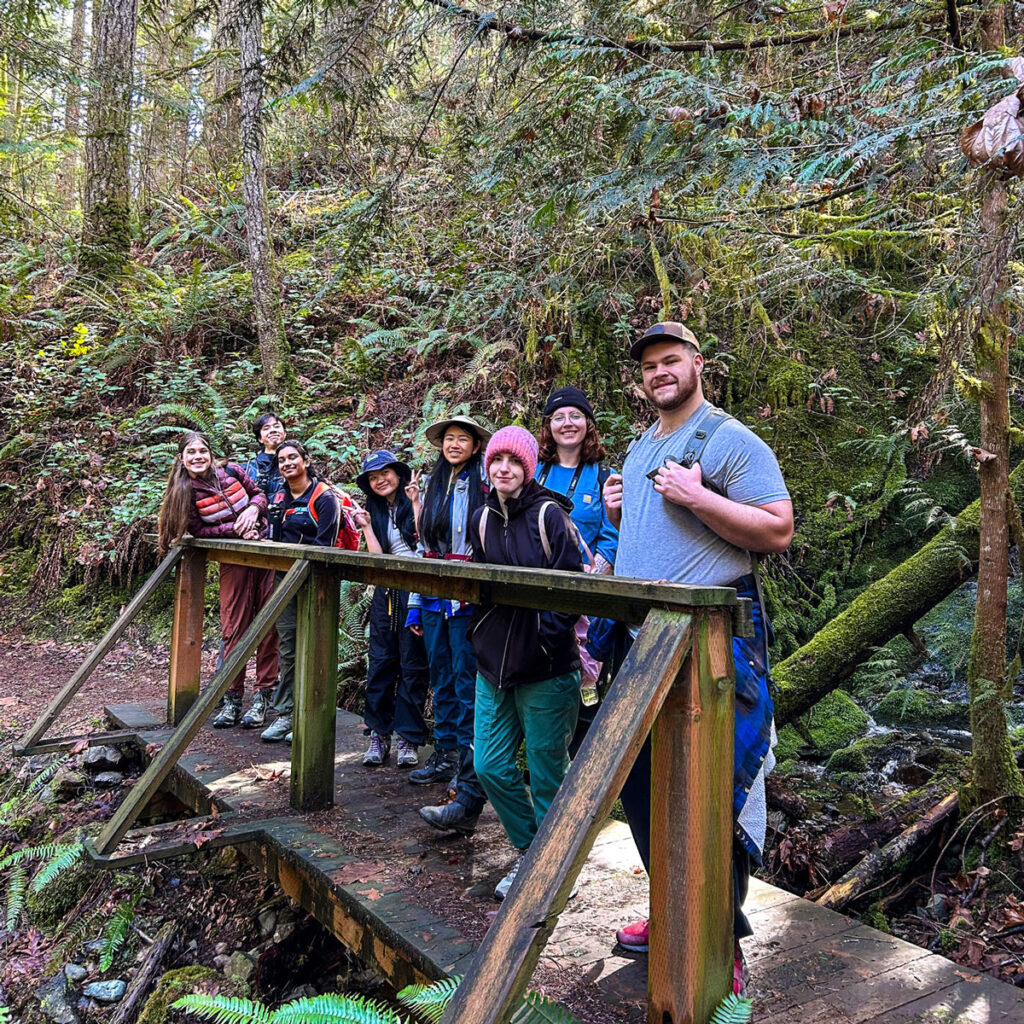
The group included two OWLs and six student participants studying various majors. While some were excited at the prospect of getting outdoors, others were drawn to the educational components of the trip.
“I have always loved the outdoors and camping, so it seemed like a great opportunity to have a good time and meet other outdoor lovers such as myself,” said Tyler McDonald, a senior majoring in Society, Ethics & Human Behavior. “After I finish my degree, I’d love to go into some kind of conservation work and work outside. Spending time out in nature always makes me feel connected to my purpose.”
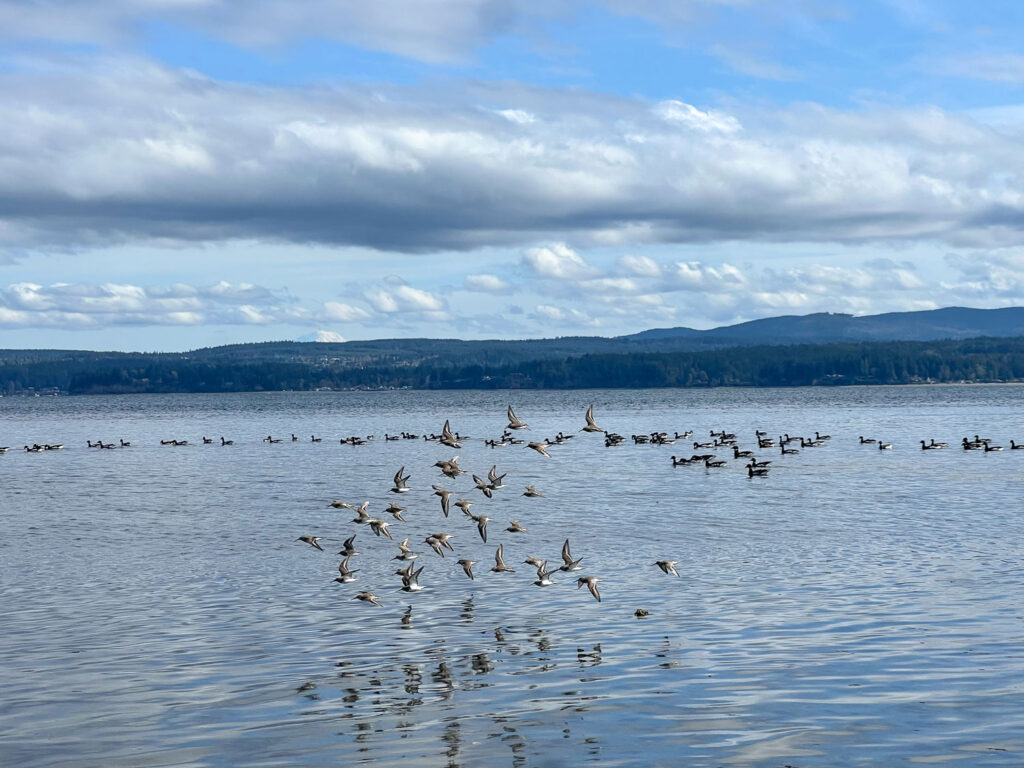
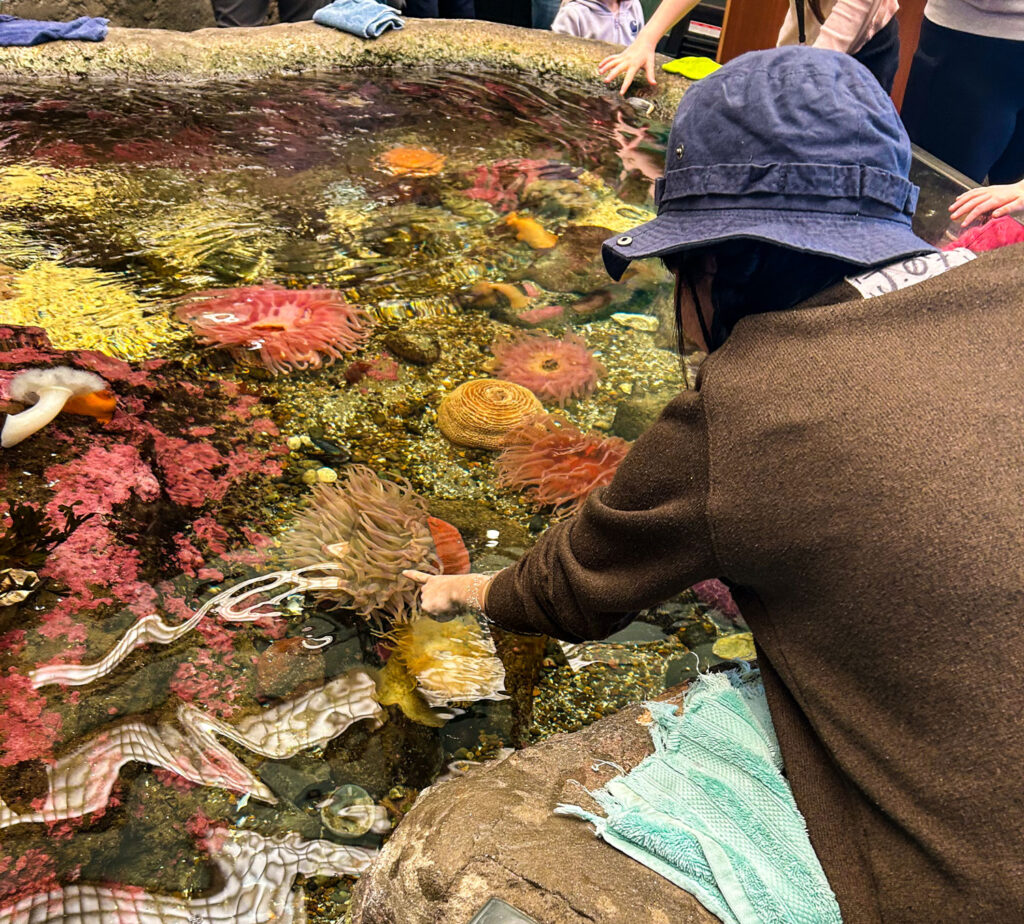
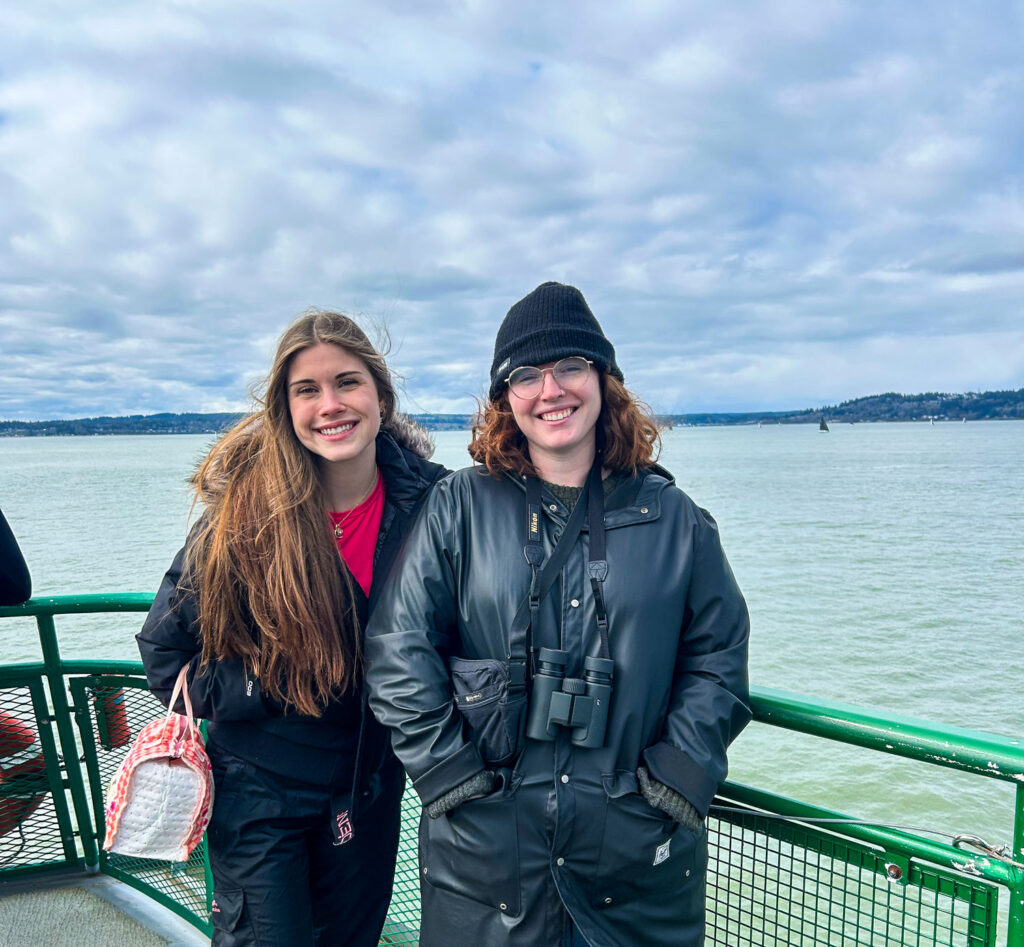
The trip began with a ferry ride across Puget Sound, where the students got their first glimpse of marine life such as cormorants and gulls. On the way to the park, they stopped in Poulsbo, where they visited the SEA (Science, Education and Aquarium) Discovery Center — a small but expansive aquarium featuring native marine wildlife and touch tanks.
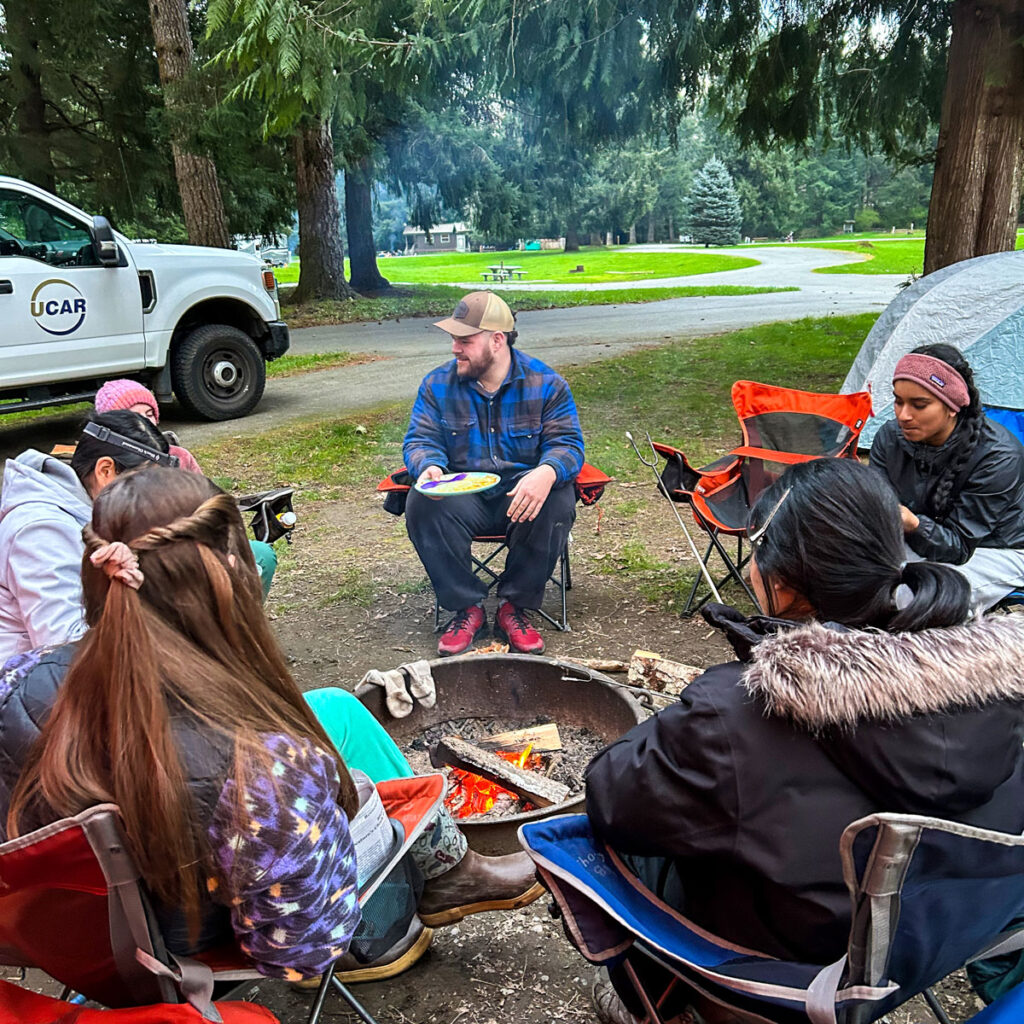
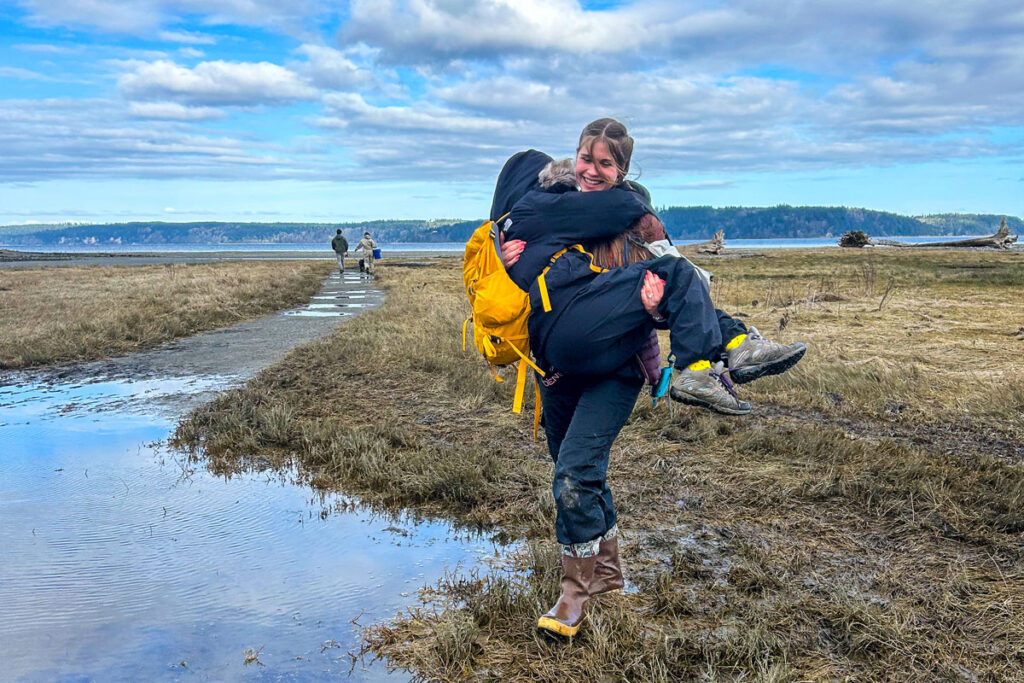
They then headed for the park to camp for the night.
Where the river meets the fjord
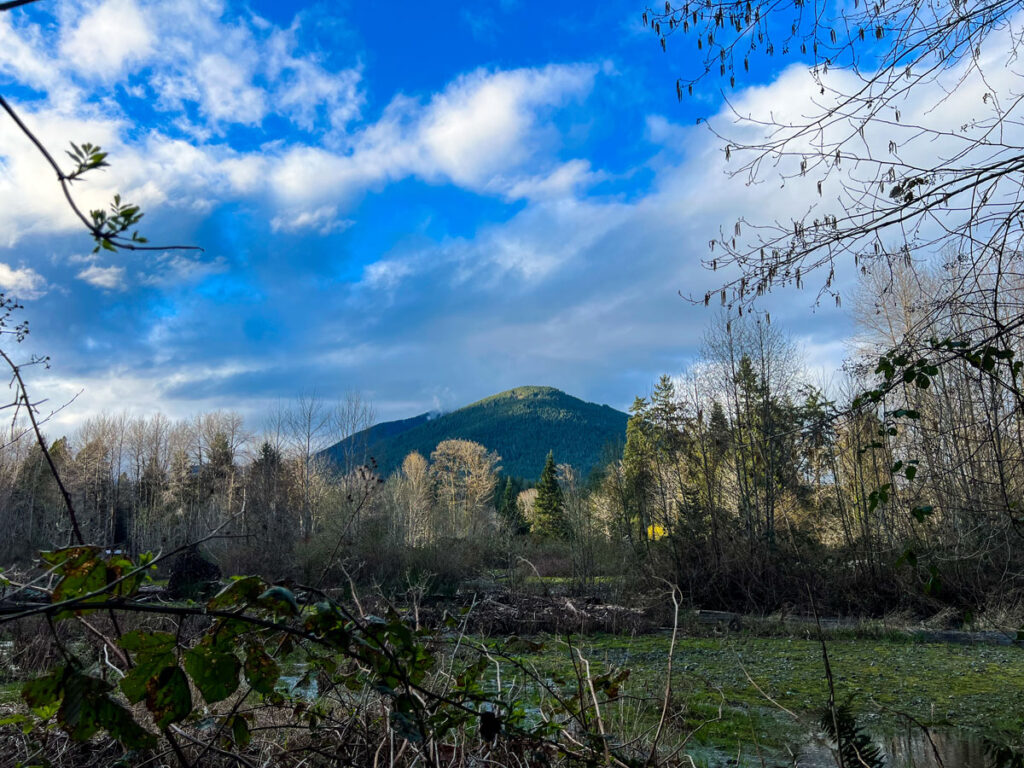
Featuring more than 1,000 acres, the park sits at the place where the Dosewallips River empties into the Hood Canal on the Olympic Peninsula. Despite its name, the Hood Canal is not a man-made canal but rather is a fjord formed by glaciers. Today, it is home to a wide array of marine wildlife.
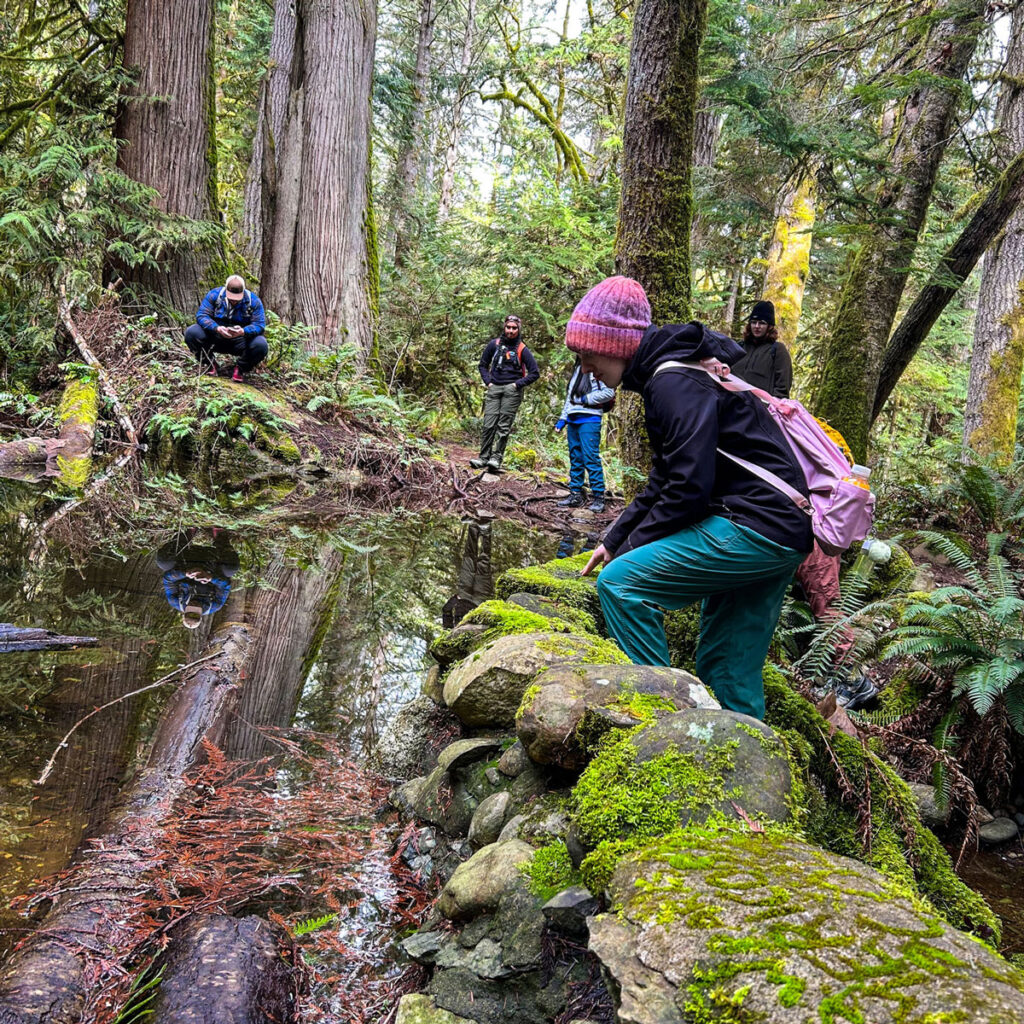
The students started the next morning with a hike in the forest. As Thomspon taught them, the health of marine environments doesn’t begin and end at the shoreline — both water and land intertwine through a deeply connected ecological web.
“Our hikes were a lot of fun, and we saw a lot of cool wildlife,” McDonald said. “The highlight for me was seeing a pond full of newts. It’s spring, so they’re in mating season, and if you looked carefully, you could find their eggs floating in the water.”
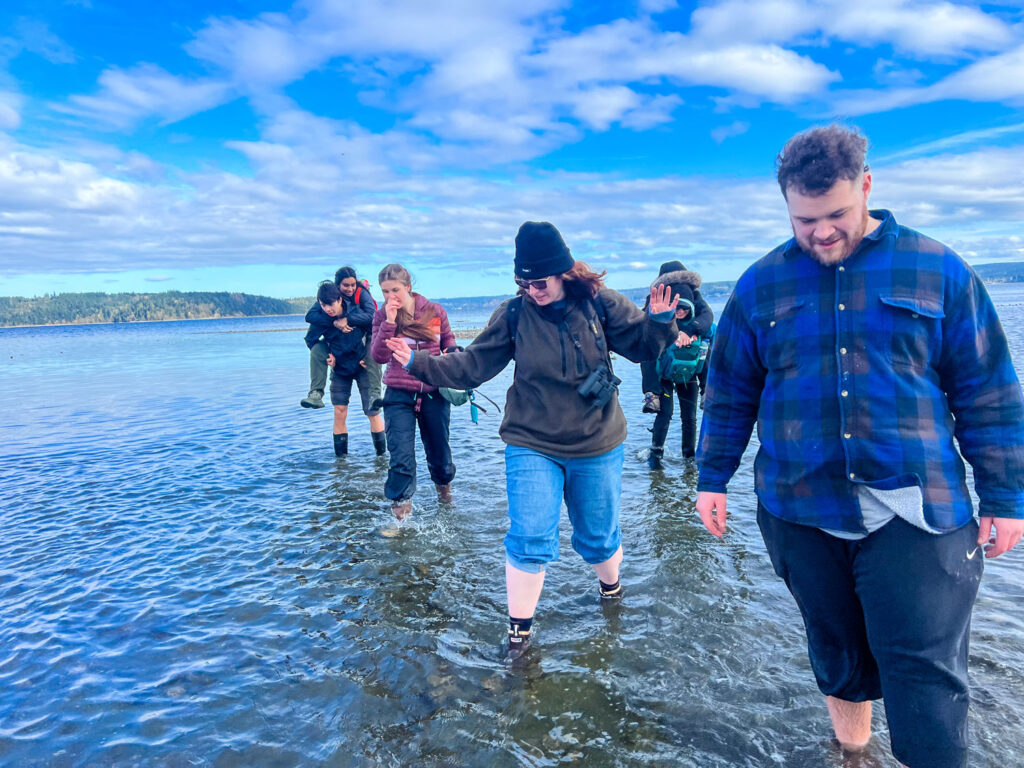
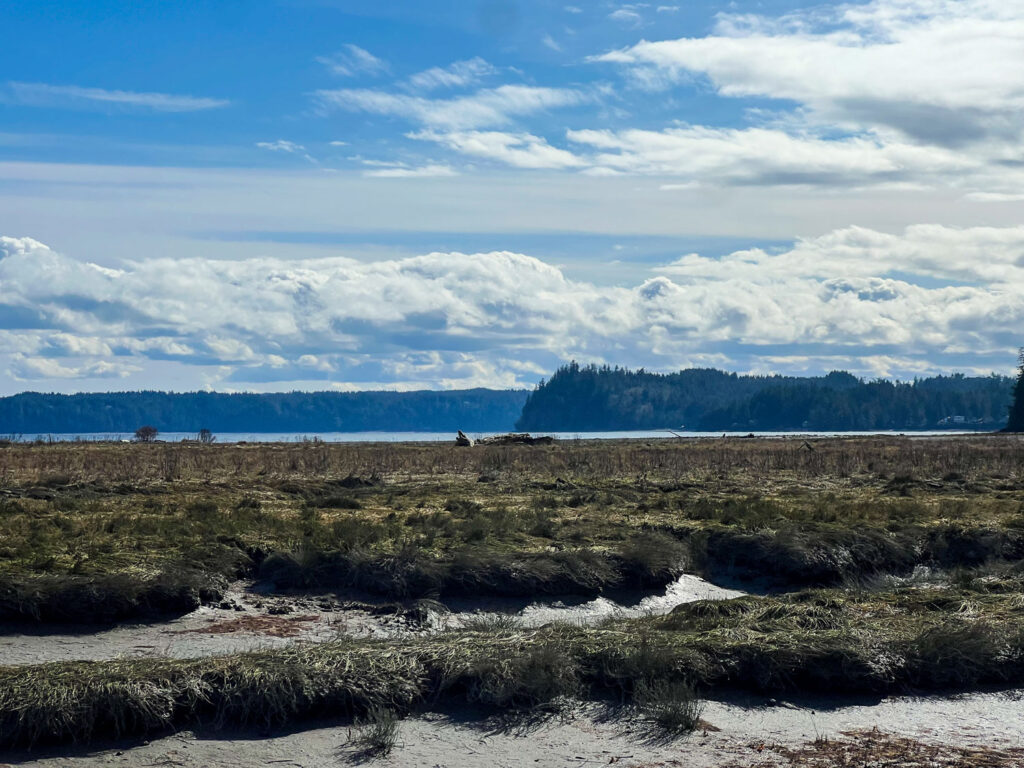
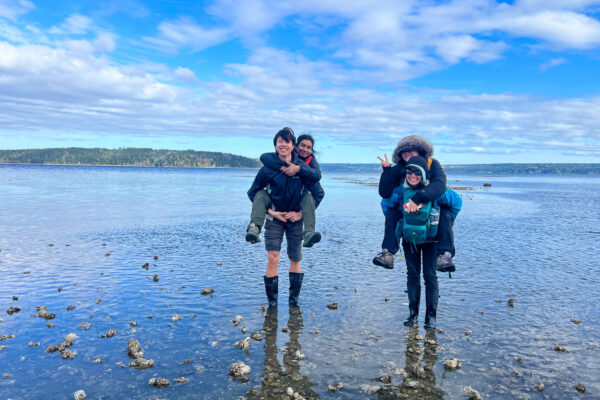
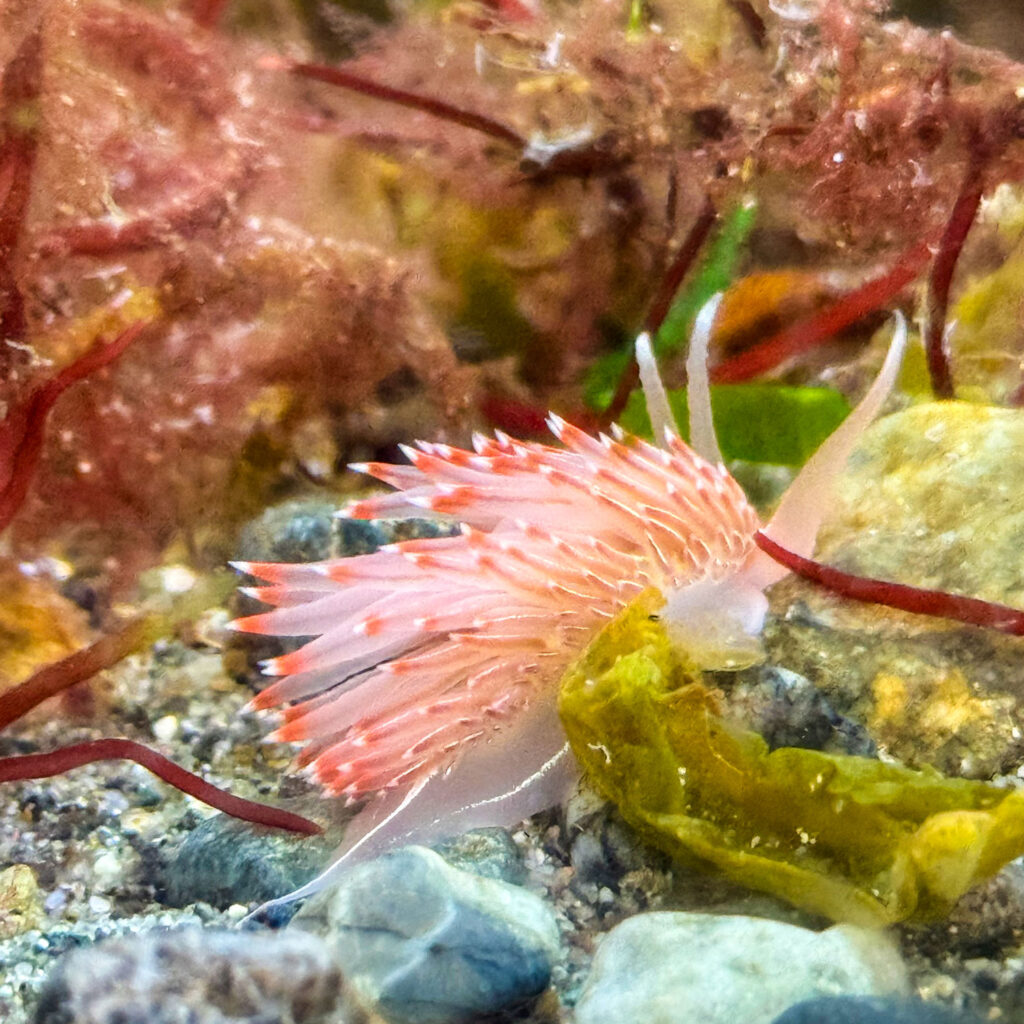
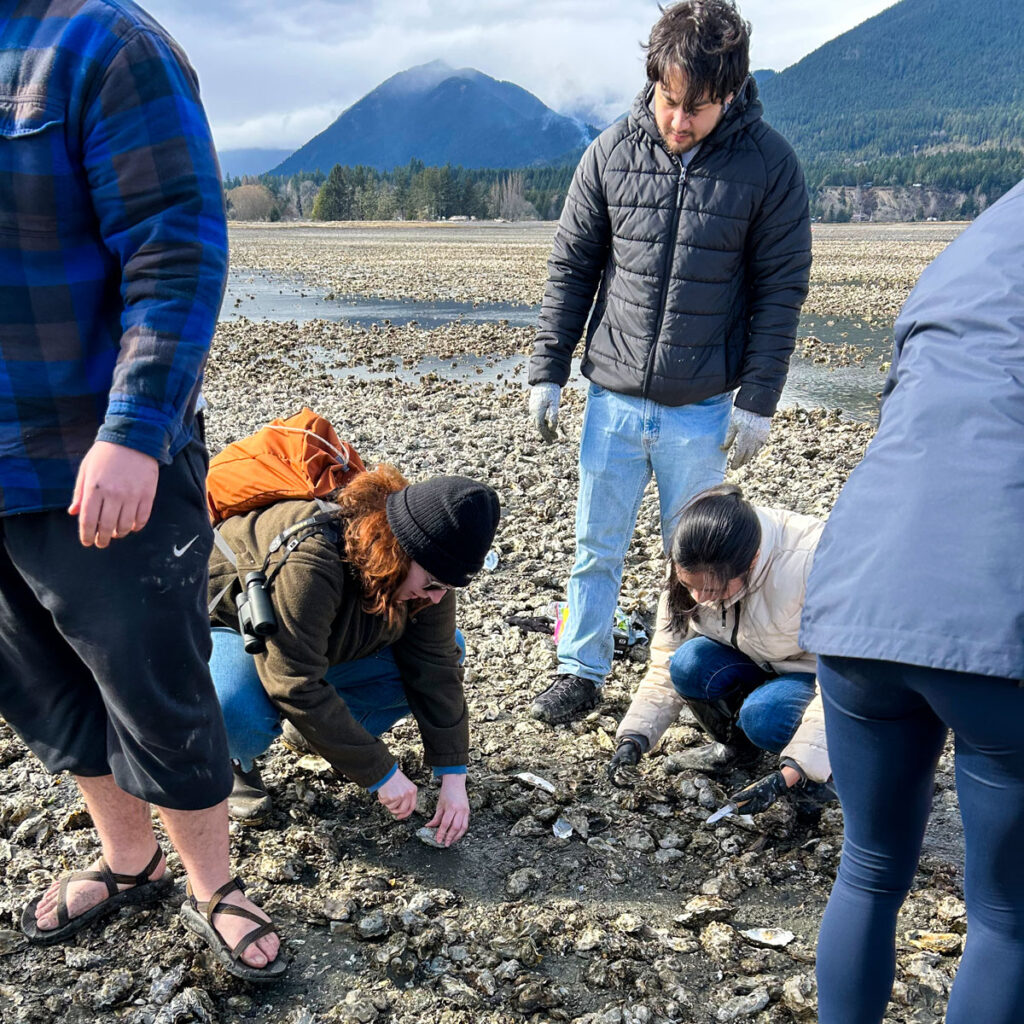
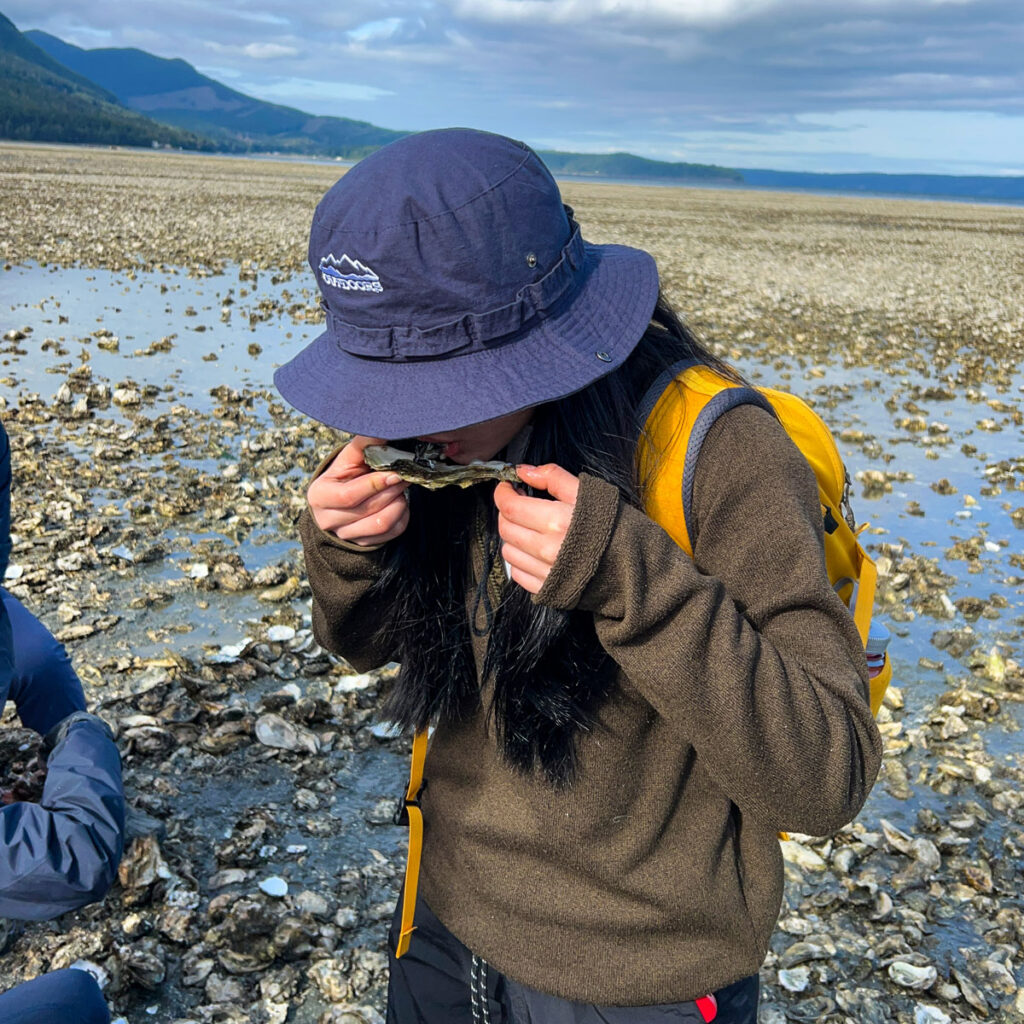
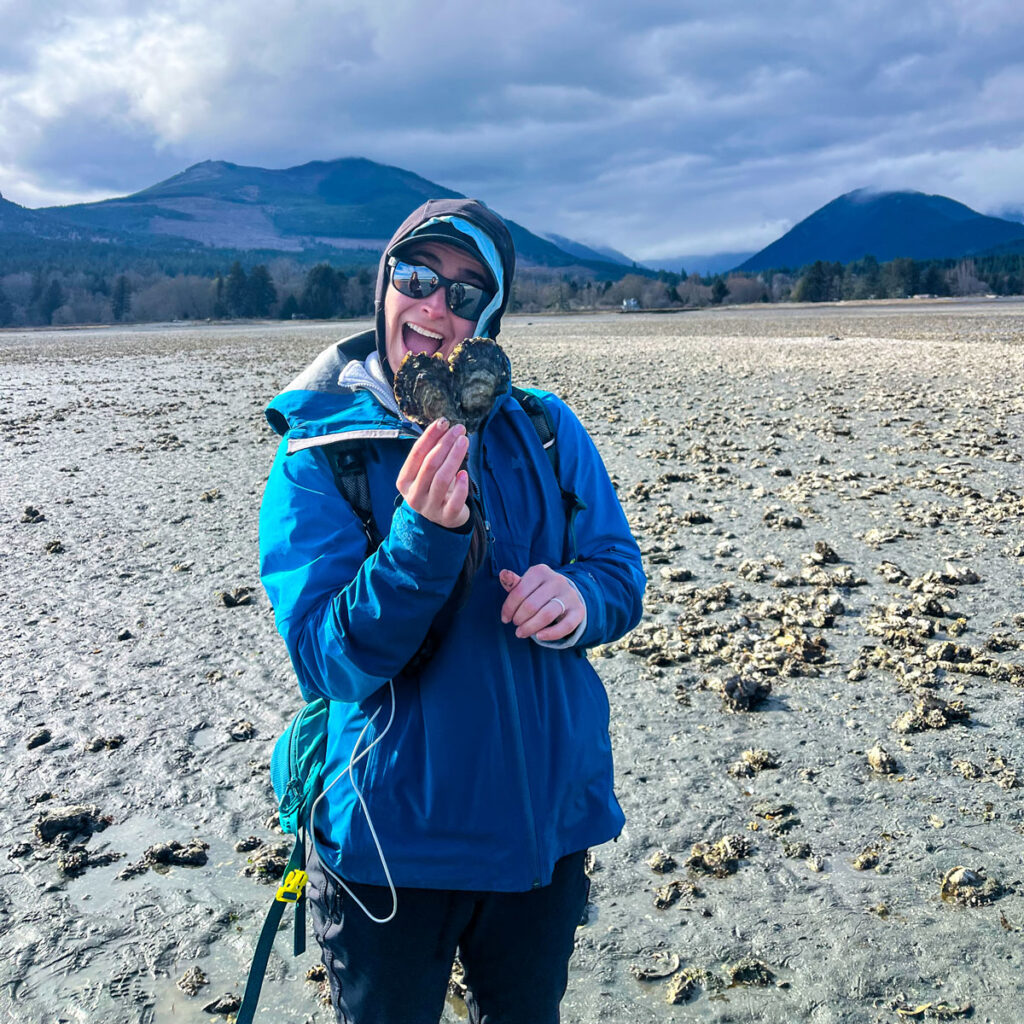
The group next went where the river meets the fjord to learn about the importance of transitional zones between ecosystems. The Hood Canal is known for its abundant public seafood harvesting areas, and the group got firsthand experience at shucking oysters. On the last day, the students continued tidepooling in the Shine Tidelands State Park on their way home.
More outdoor opportunities
The Dosewallips trip was a pilot for more overnight programming to come, Thompson said. She also intends to incorporate community partners, field experts and academic experts for more advanced educational opportunities.
“Environmental education is my true passion,” she said. “Taking people outside and seeing those light-bulb moments feels incredibly fulfilling to me, and it seems like our students stepped away with a lot of new information, friendships and memories.”
“Taking people outside and seeing those light-bulb moments feels incredibly fulfilling to me, and it seems like our students stepped away with a lot of new information, friendships and memories.”
Rileigh Thompson, program manager, Outdoor Wellness
For Tasha Anne Calverley, a first-year student majoring in Law, Economics & Public Policy, the experience was rewarding in all these ways — and more.
“I have always held a deep interest in the marine life on Washington’s coasts. I seek to become a more educated and caring steward of the environment that surrounds me,” she said. “What I will always enjoy most about the Outdoor Wellness programs are the people, participants and leaders alike. The community built over the three days we spent in the Dosewallips was incredibly genuine and full of laughter.
“Up until this trip I had not yet been able to explore any part of the Hood Canal, and so I am incredibly grateful for this opportunity.”