The coronavirus pandemic made the internet a necessity for millions of Americans to complete their schooling, do their work and monitor their health — but it also widened preexisting access gaps, leaving millions of Americans, particularly those in BIPOC communities, struggling to access this vital resource.
The pandemic made this digital divide so blatant, President Biden recently proposed spending $100 billion to connect every American to affordable high-speed internet.
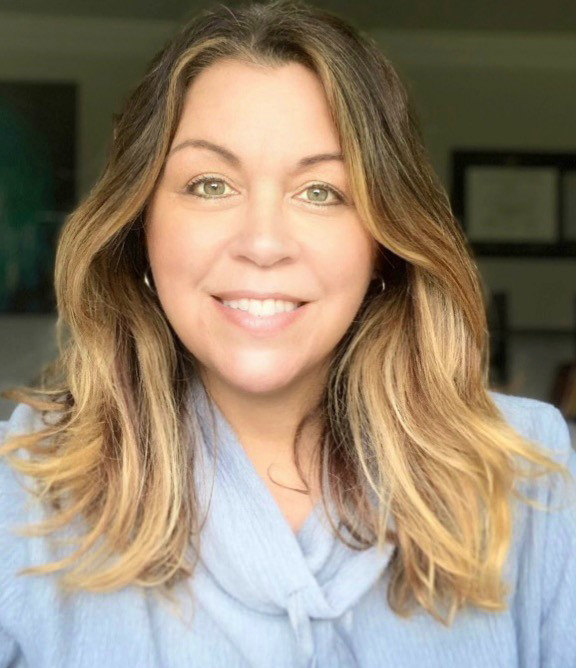
“According to the Pew Research Center, approximately one quarter of American adults do not have access to broadband internet,” Dr. Jody Early, associate professor in the University of Washington Bothell’s School of Nursing & Health Studies, wrote in a recently published paper about the impacts of digital inequity. “This number does not account for the millions of people who are under-connected or lacking a stable internet connection. The COVID-19 pandemic has increased our societal dependence on the internet and widened the digital divide.”
According to Early, sweeping action when it comes to broadband access is specifically and desperately needed to address several crises of public health that have only worsened during the pandemic. It also has a direct impact on access to education.
“Access to broadband internet,” she said, “has become a basic need in this connected society.”
Digital and social inequities
In “Digital Disenfranchisement and COVID-19: Broadband Internet Access as a Social Determinant of Health,” Early cites studies that found Black and Hispanic/Latinx adults were twice as likely to cut their internet service due to financial strain during the pandemic, that the Indigenous populations who were hit hardest by the pandemic were also the “least connected” to high-speed internet, and other trends suggesting a widening of the digital divide is intimately intertwined with class, race, systemic racism and structural inequities.
Through this lens, she argues why broadband internet is a social determinant of health and shows how inequitable access to it, in combination with the pandemic, exacerbates pre-existing social issues disproportionately experienced by low-income and BIPOC communities — like gaps in health care and education.
“Until recently, some may have viewed the internet as a luxury, but it’s really become a public utility,” said Early. “During the pandemic, we’ve had philanthropists’ donations as well as state dollars going toward providing people with the hardware they need. What we missed was that hardware wasn’t enough.
“Students lacked the ability to connect to their virtual classrooms,” she explained as an example. “Pre-pandemic, it wasn’t as obvious because students were able to come to campus and get access at the library or anywhere on campus. Some might have even gone to local cafes. But in a pandemic, those sites are closed. Not having access or insufficient speed means it’s even more challenging to participate.
Early personally experienced how this difficult dynamic played out with her students at UW Bothell in the last year.
“There were a couple of occasions when I was holding optional live classes, and students did everything they could to connect,” she said. “They’d be driving and talking on Zoom through their phones while trying to participate or in route would sit in a parking lot somewhere they could get better access to Wi-Fi. And then of course that doesn’t account for people who have no access at all.”
Reducing the digital divide
At UW Bothell, lessening the impact of digital inequity on students was a chief concern of the campus Information Technology team from the beginning of the pandemic — and their supportive programs have been popular across campus.
“One of the things we were really worried about was access,” said Christy Long, UW Bothell’s assistant vice chancellor for IT and chief information officer. “We didn’t know how many of our students lacked computers or internet. We really didn’t know what the impacts were going to be. We figured we would need to act quickly.”
From the start, Long understood collaboration would be key to meeting students’ needs. She reached out to Dr. Cinnamon Hillyard, associate vice chancellor for student success, to find computers across campus that her IT team could distribute to students. The resulting laptop and Wi-Fi hotspot lending program quickly provided students with the equipment they needed.
“The process was super simple. All students had to do was fill out a short intake form,” said Long. “The data we gathered also helped us better understand the technology needs of our students. For example, we asked them to rate the quality of their internet connection from non-existent to stable. We were able to connect students with the technology they needed, and we learned a lot about them in the process.”
The IT team used this new data to help shape the lending services. Some students who didn’t have internet also didn’t have their own computer. Some had internet but only through their cellular data phone plans. Yet others had laptops but no way to connect to the internet other than on campus. So, IT made hotspots available in addition to laptops and provided information about free and reduced-cost internet service — as well as tips on how best to learn online.
“We worked closely with campus partners and student government to purchase an additional 50 laptops and 50 hotspots,” said Long. “We also received donations of new equipment from local companies, which was extremely helpful. Microsoft donated 100 devices, which is huge. A number of other companies made smaller donations that, collectively, really increased the number of computers we were able to provide students.
“We’re so grateful for those donations,” she said, “and the care our community demonstrated to our students.”
Out of a hot spot with a hotspot
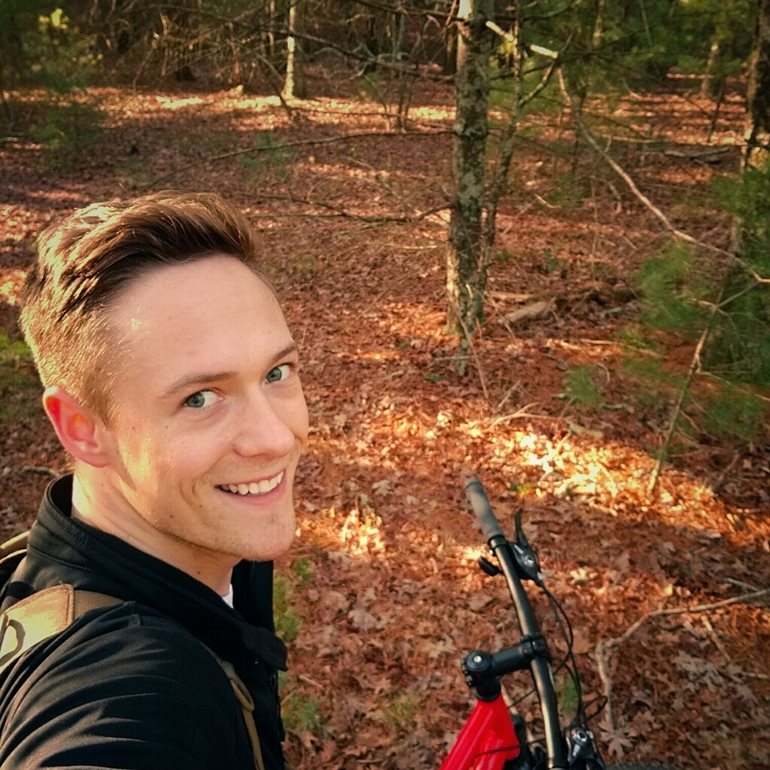
The IT team’s response to digital issues caused by remote operations made all the difference for UW Bothell senior Randall Steven King. In Monroe, Washington, where King and his fiancée live, getting access to quality broadband internet is impossible — and in the beginning of the pandemic, that presented a huge obstacle to his virtual studies.
“There’s no available internet here,” said King. “We contacted everybody who even remotely has anything to do with internet in the entire state and almost nothing was available except for satellite internet, but the data caps were just killer. It was unlimited internet in theory but only up until 15 gigs would you get full speed.”
With his Zoom connection constantly failing, King realized that he needed to find more reliable and cost-effective access to the internet. That’s when he requested a hotspot from the UW Bothell lending program.
“School would have been pretty difficult without the hotspot,” said King. “It enabled me to stay home and study and participate in class in the comfort of my home without having to do any unnecessary commuting or trying to find free Wi-Fi in church parking lots.”

UW Bothell seniors Andre Dennis and Angela Dickenson also turned to the lending program for both a hotspot and a laptop. The two full-time students were unable to work and could not take on the financial burden of buying a new laptop and paying for internet.
“It’s nice that the school has opportunities for people like us,” said Dennis. “The year before this one, we did almost 60-80% of our work at the public library — which is actually still closed.”
Access to the internet is vital
Long said she’s certain that the program helped many students stay in school during the pandemic, though she doesn’t have specific data on the difference it made.
At the very least, the popularity and impact of this lending program backs up Early’s assertions: Internet connection is an absolutely vital utility, and for some people, it will be nearly impossible to access without making it being made a priority.

“I think we have an opportunity here as a nation, especially with the Biden administration’s push for this big omnibus of infrastructure and Wi-Fi broadband expansion being part of that, to take these lessons during the pandemic and to make things better,” Early said. “I think that goes for our university as well. We need to ask these questions about digital disenfranchisement when we do go back to campus.
“It does affect the ways in which we teach and learn.”