The University of Washington Bothell has once again earned national recognition from the American Council on Education and the Carnegie Foundation for the Advancement of Teaching for its exemplary practices of community engagement. The Carnegie Classification for Community Engagement — an endorsement also gained by the University of Washington in Seattle and UW Tacoma — is held by fewer than 10% of higher education institutions in the country.
“I’m incredibly proud of our Carnegie Community Engagement reclassification,” said UW Bothell Chancellor Kristin G. Esterberg. “It’s an enormous achievement that reflects the sustained efforts and dedication of the entire UW Bothell community and hundreds of our community partners.
“By fostering strong connections and providing opportunities for students to engage with the community through research, class projects and internships, we create a dynamic and supportive environment that aligns student interests, faculty strengths and community needs.”
Showing the impact of collaboration
UW Bothell first received the five-year Carnegie designation in 2020, following a rigorous third-party examination and evaluation of its institutionalized efforts to engage with the community. The new reclassification, which runs through 2031, places UW Bothell among just 277 institutions nationwide that are recognized for “deepening partnerships, leveraging community assets and addressing urgent societal challenges,” according to the decision notification.
“Our application reflected the collaborative efforts of our entire campus community,” said Kara Adams, director of community engagement and strategic partnerships for UW Bothell. “Schools, divisions and offices across UW Bothell contributed evidence, data and stories that together showcase the depth and impact of our engagement in the region.”
The materials covered everything from institutional policy to internships, courses, mentorship and research — all forms of community engagement in action. At any given moment in the academic quarter, there are approximately 375 community-engaged activities under way at UW Bothell.
“As an experienced faculty member committed to community engaged scholarship, I can attest that UW Bothell’s Carnegie reclassification demonstrates the institution’s intentional and sustained commitment to mutually beneficial partnerships with our communities,” said Dr. Mabel Ezeonwu, a professor in the School of Nursing & Health Studies who was instrumental in the reclassification process.
“Community engagement is integrated into the institution’s mission and contributes to equity, provision of public good and measurable impact on research, teaching and service.”
Empowering the next wave of innovators
External partnerships form a cornerstone of UW Bothell’s community engagement efforts. To date, students have collaborated with more than 400 businesses, non-profit organizations and government agencies regionally, nationally and globally.
Over the past five years, the quality and depth of several partnerships — each showcased in the Carnegie application — have especially deepened.
Avanade, the global internet technology company, provides annual scholarships, internships and mentorships to students in the School of STEM. It also sponsors an annual hackathon that draws hundreds of student participants from every academic discipline to form connections, develop skills and harness technology for the greater good.
The company expanded its support of UW Bothell in autumn 2024 when it launched a $60,000 scholarship for School of Business students. The partnership aids Avanade’s recruitment and workforce diversification efforts.
“UW Bothell embodies what it means to be a true community partner,” said Margaret Doheny, Avanade’s USA & Canada corporate citizenship lead. “At Avanade, we’re constantly inspired by the drive and creativity of their students and faculty — whether we’re cocreating events, mentoring through the NextGen program or helping student clubs connect real-world insight to classroom learning.
“This reclassification is well deserved, and we’re honored to collaborate with a campus so committed to expanding opportunity and empowering the next wave of innovators.”
Keeping the focus hyper-local
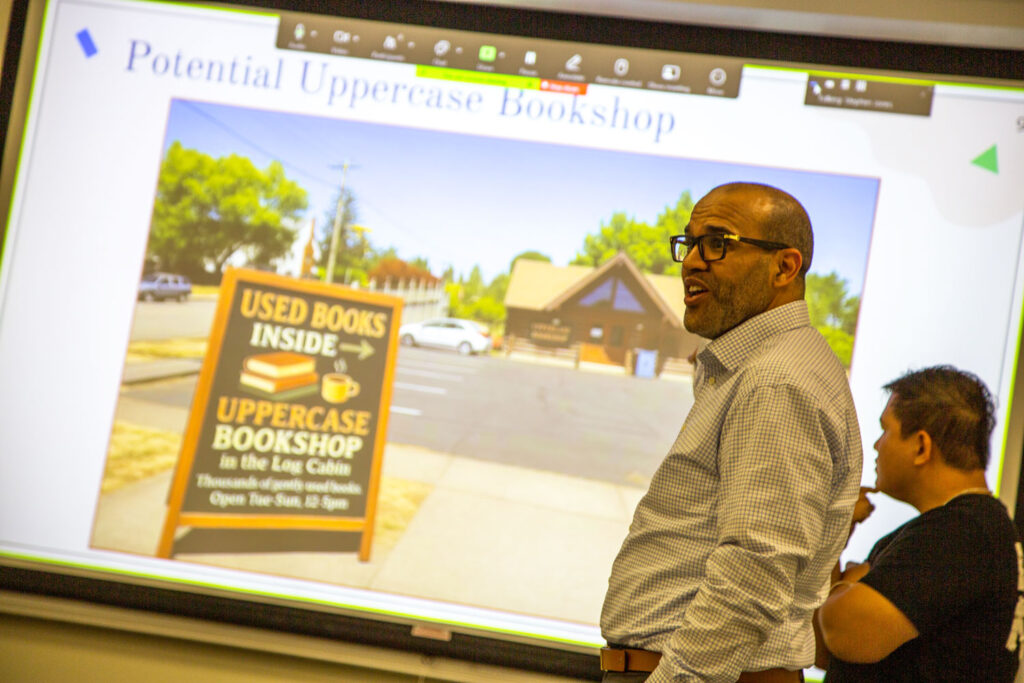
UW Bothell began partnering with its namesake city even before it opened its doors in autumn 1990. Since then, the University has forged a meaningful, reciprocal relationship through community-engaged learning, research, service projects and student internships in multiple city departments — and more.
Whether they are monitoring salmon runs, mapping watershed basins or contributing to engineering and planning projects, UW Bothell students help to build a thriving future — for themselves and for the municipality.
“We’re proud of UW Bothell’s well-deserved designation for exemplary community engagement,” said Kyle Stannert, Bothell city manager. “This achievement reflects the University’s commitment to collaboration and service, and its partnership continues to strengthen Bothell’s economic and cultural vitality.”
Noted Esterberg, “Like the city of Bothell, we are committed to building our regional workforce. By actively involving our community in the educational process, we can better meet shifting economic needs, address societal challenges and authentically contribute to the public good.”
Strengthening community well-being
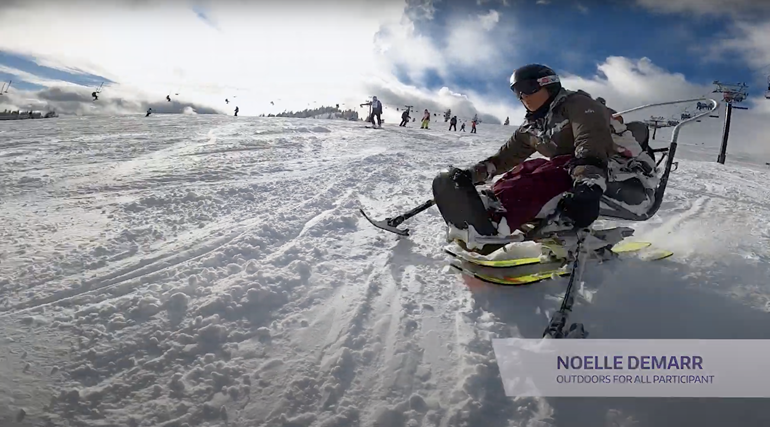
The National Association on Mental Illness aims to advocate, educate and build public awareness about mental illness. The local chapter’s partnership with UW Bothell helps to fulfill its mission by informing students, faculty and staff about mental health resources. In turn, students learn about mental health efforts on a national and local scale.
In one business writing class, for example, students worked in teams to create content on the NAMI website to help destigmatize mental illness. In addition to teaching the mechanics of business writing and interviewing, the NAMI partnership allowed the professor to address business ethics as they pertain to mental health.
“NAMI Eastside’s longstanding partnership with UW Bothell has significantly strengthened our ability to serve East King County families affected by mental illness,” said Jason Cunningham, NAMI operations manager. “Students consistently bring fresh ideas and energy that help us reach and educate hundreds of local youth and parents each year.
“Their consistent volunteer engagement has also boosted our volunteer retention and expanded our capacity to deliver critical support groups, education programs and advocacy initiatives,” he said. “This program has made a tangible, lasting difference in the mental health and well-being of our community.”
Engaging future generations
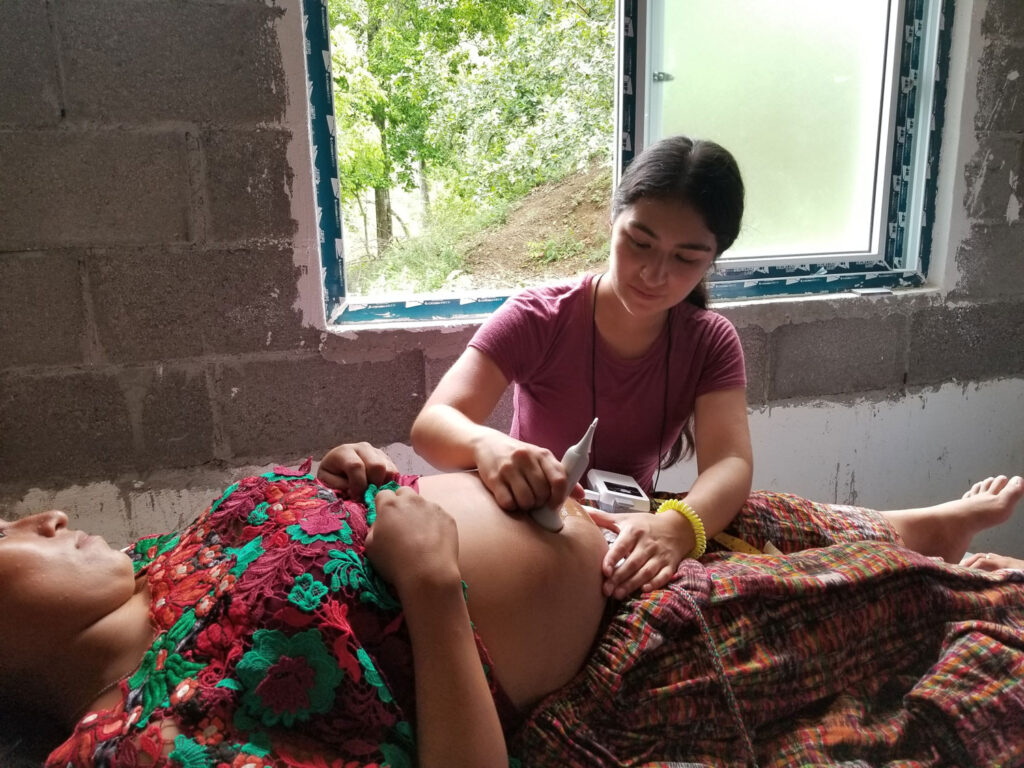
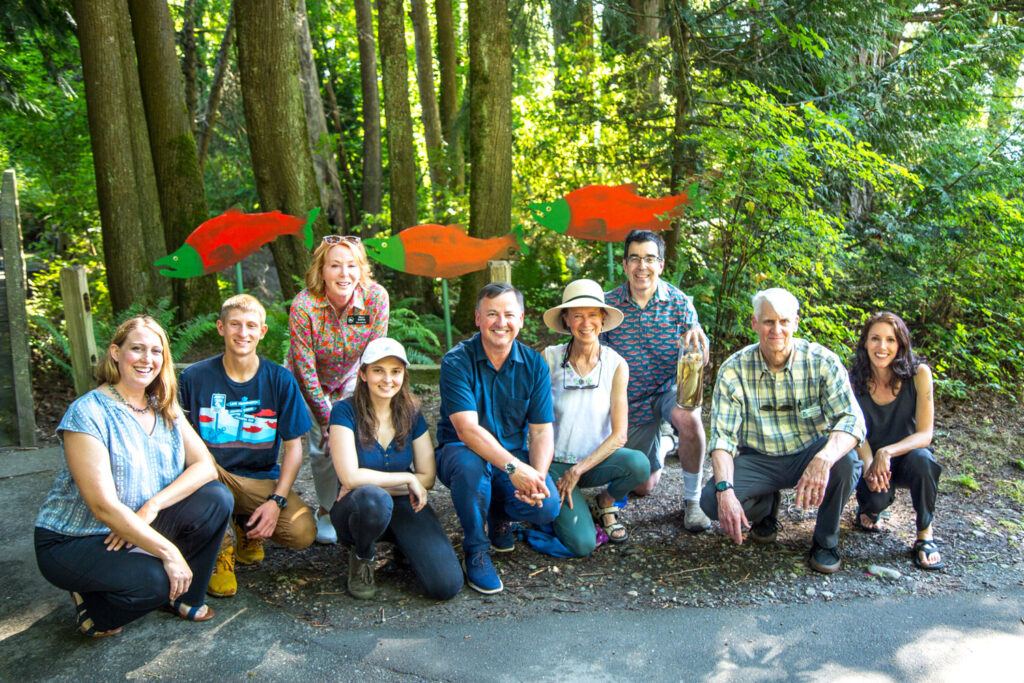
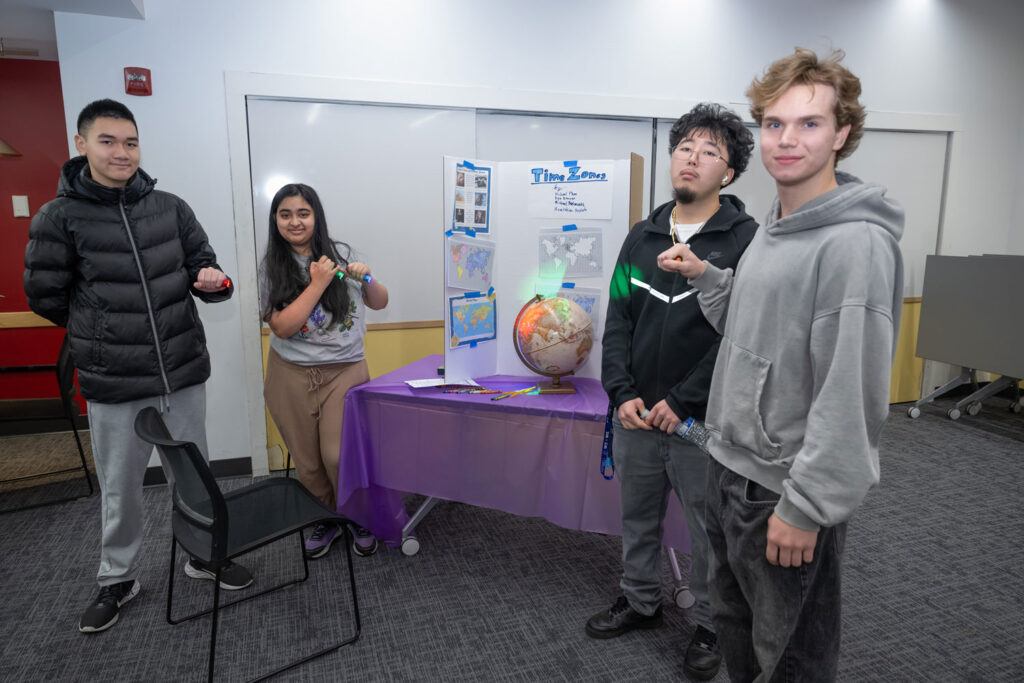
Through UW Bothell’s collaborations with nearby Saint Edward State Park, faculty and student researchers have investigated invasive species, studied animal ecology and created new maps of the park. This work opens doors for students to careers in environmental and sustainability fields, while the park benefits from the research findings, which can inform management practices, conservation strategies and visitor experiences.
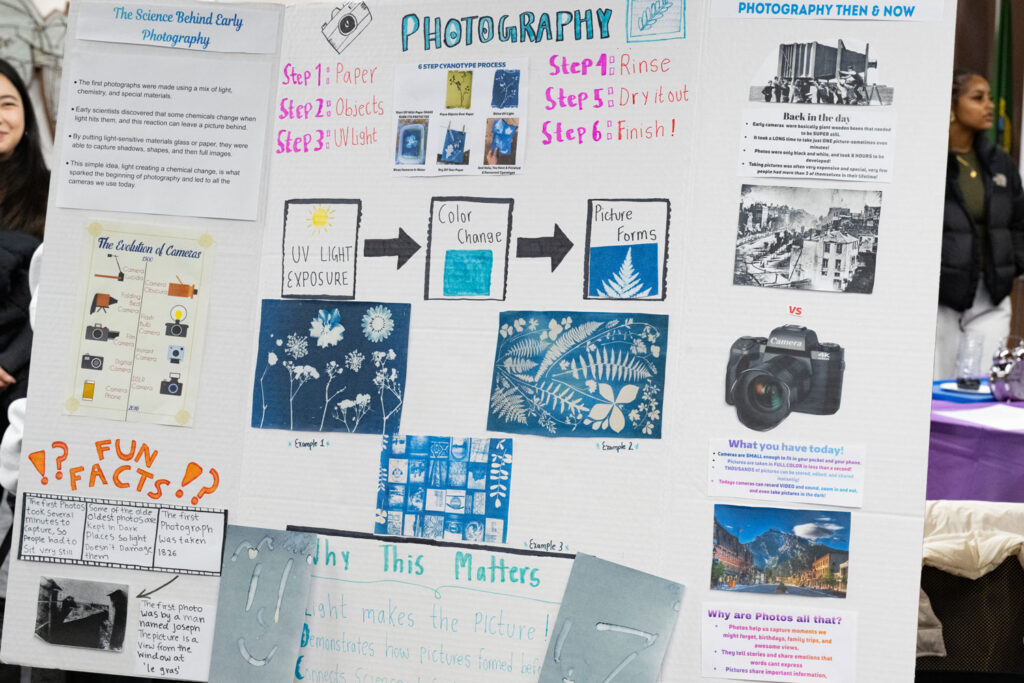
UW Bothell has also established the Community-Engaged Collaborative for Socio-Ecological Engagement, an interdisciplinary hub and multi-unit research and education project at the Environmental Education & Research Center in the park. CoSEE connects students, scientists, educators and community partners through field studies, monthly nature walks, a family-centered 101 Program Series, place-based creative practices, and youth and family outreach.
The CoSEE design process brings diverse collaborators to the table — initiating ideas and providing feedback on culminating products. Local youth help guide family-centered projects, and the CoSEE team actively seeks feedback from participants of all ages.
Park ranger Daryl Kline said, “We’ve been honored to partner with UW Bothell these past years at the EERC to provide unique opportunities for education and research programs; to explore and deepen the knowledge and public understanding of the natural assets throughout the park; and to tap into the deeply rooted community interests of maintaining a healthy, resilient natural environment throughout Saint Edward State Park.”
Emphasizing civic engagement
Looking at both the 2020 classification and this year’s reclassification, Adams noted that “the landscape of community engagement is always shifting. In the most recent application, we speak more about civic engagement and UW Bothell’s role in advancing dialogue to promote positive change.”
One example stands out: Through a competitive process, UW Bothell’s Office of Diversity, Equity & Inclusion was selected as one of only 31 universities nationwide to participate in a pilot project aimed at fostering constructive discourse in higher education. This effort reinforced the University’s commitment to equipping students with the skills needed for meaningful and constructive civic engagement.
Today, all of UW Bothell’s incoming undergraduate students are introduced to foundational dialogue principles during orientation, ensuring that civil discourse becomes an integral part of their academic journey. Multiple student-staff teams, student leadership groups, faculty, professional staff and campus leadership teams have also engaged in this program, expanding its impact across the campus and in the community.
The focus on dialogue highlights its interdisciplinary importance in preparing students to be informed, engaged citizens, Esterberg added. The initiative empowers students not only to navigate challenging conversations within academic settings but also in their personal lives and within community settings through community-engaged courses and internships.
“I believe it is more important than ever for us to infuse civic skills in our education,” Esterberg said.
“UW Bothell embodies what it means to be a true community partner. We’re constantly inspired by the drive and creativity of their students and faculty — whether we’re cocreating events, mentoring through the NextGen program or helping student clubs connect real-world insight to classroom learning.”
Margaret Doheny, Avanade’s USA & Canada corporate citizenship lead
A growing commitment
Since first gaining the Carnegie Community Engagement Classification six years ago, UW Bothell has deepened its commitment to collaboration. New policies include the addition of an undergraduate learning goal focused on community engagement. And new faculty legislation supports community-engaged scholarship.
As a result, participation in community partnerships among students and faculty continues to grow.
The University now offers 141 undergraduate courses designated as community-engaged offerings, up from 108 in 2019. In 2025, more than 2,100 students enrolled in these courses — an increase of 715 students since 2019.
“Our students, faculty, staff and community partners do extraordinary work together, and the Carnegie Foundation reclassification reaffirms the value of our shared commitment,” Esterberg said.
“I want to express my deep gratitude to all the community partners who journey alongside our students as they grow and learn, conduct research with our faculty, and collaborate with our staff to achieve shared goals.”
Discover the many ways your company or nonprofit organization can partner with UW Bothell.