Teaching kindergarten under the Northern Lights
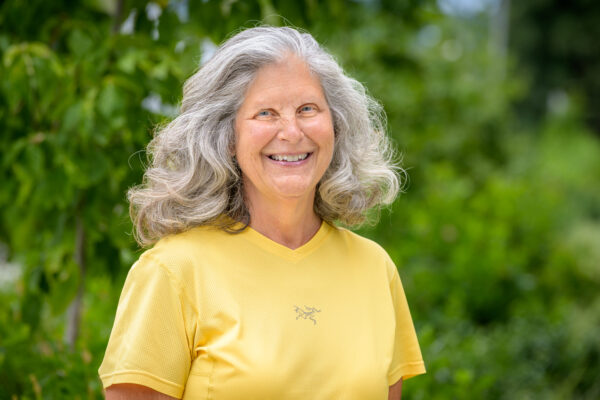
Alumna Carol Shipe talks about becoming a teacher in her middle age, leading to a 15-year career in rural Alaska.
While studying at the University of Washington in the 1970s, Carol Shipe came within four credits of finishing two majors, one in Economics and one in Geography. She knew economics wasn’t where she belonged, and she hoped to become a history teacher instead.
Then life took her in a different direction entirely, when she met her future husband, Daniel. They settled down in Bothell where they raised two children, both of whom became double Huskies — including her son, Kevin, a UW Bothell alumnus.
As her children went through college, Shipe began thinking about going back to school herself. That old dream of becoming a teacher came back to her, and UW Bothell was conveniently situated just down the hill from her house.
Shipe finished those last four credits at Cascadia College, finally getting her degree 30 years after she had started. She then entered UW Bothell’s teaching certificate program in the School of Educational Studies.
Her goal was to become a teacher by the age of 50. On her 51st birthday, she was teaching children in rural Alaska at the beginning of a 15-year adventure in the far north.
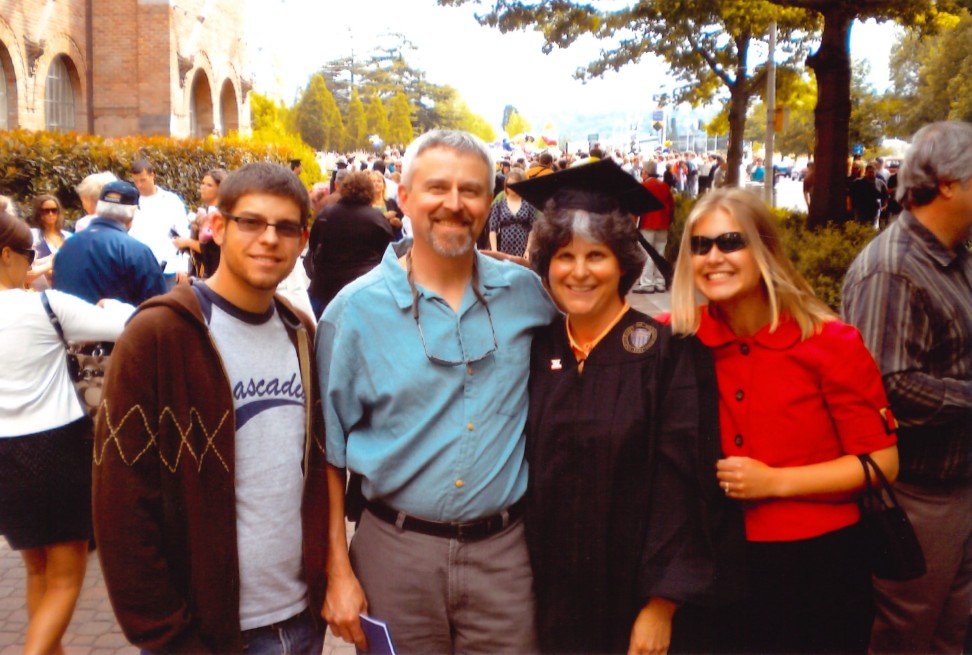
A community in Alaska
Shipe had visited a career fair toward the end of her teaching certificate program in 2009 and spoke to a recruiter from Alaska. When she showed interest in roles and mentioned she would be graduating in two weeks, the recruiter told Shipe that he would put her on a flight that day if he could.
Instead, he contacted Shipe later that winter, offering her a long-term substitute teacher role from January to May in Teller, Alaska. The position had its benefits. The school district would pay Shipe’s transportation to Alaska and back, and her housing would be subsidized.
Shipe spoke to her husband, and he told her she should do it. “Why don’t you just go and get this out of your system?” he asked.
So Shipe found herself in Teller in January 2010. And one of the biggest challenges ahead of her was that she needed to create a classroom community in a place that was miles away — literally and figuratively — from the place where she learned to teach.
Life at the edge of the world
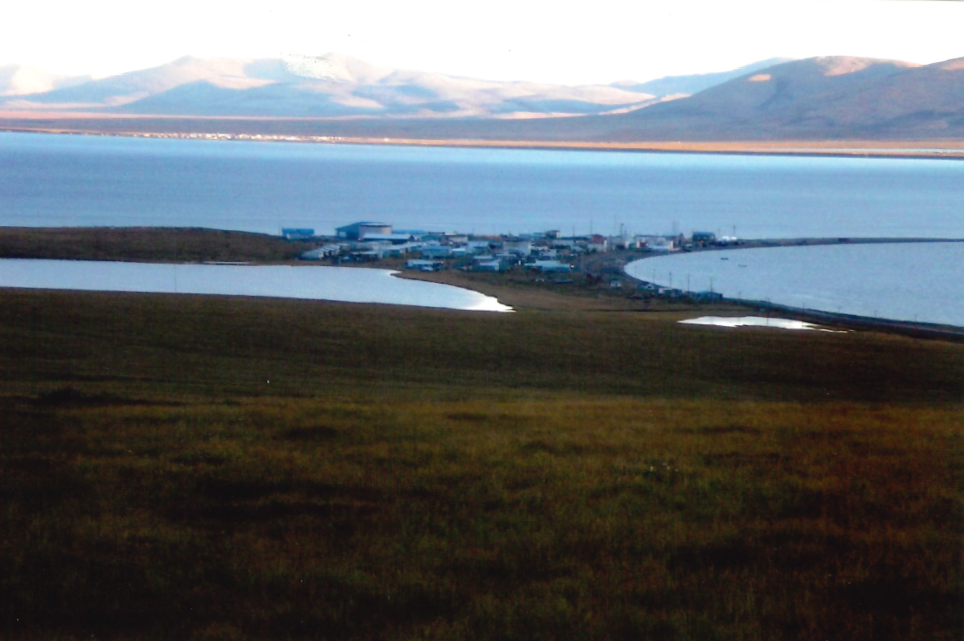
Teller is a small city of around 250 people on the Seward Peninsula along the western edge of Alaska. About 100 miles south of the Arctic Circle, life in Teller and the other surrounding communities is hard, Shipe said.
In mid-January, the sun rises at noon and sets just four hours later, with a daily average temperature is 4 degrees F. In such extremes, the local life and economy revolve around subsistence: seal hunting, fishing and sewing. Communities work together to survive.
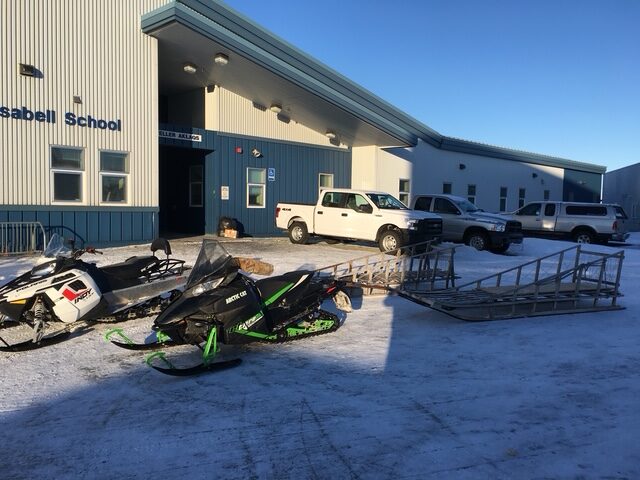
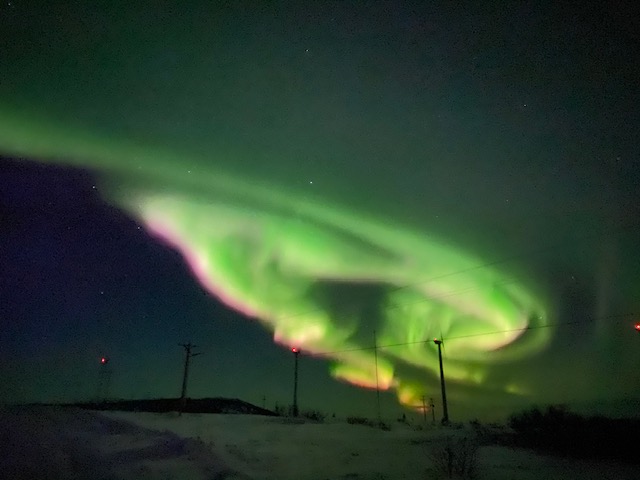
Shipe’s life as a substitute teacher wasn’t easy either. When she arrived, she was placed in teacher housing without running water. Teller is on a small spit of land surrounded on three sides by the sea, making fresh water a premium. Often, she was only able to take one shower per week.
Not only did Shipe arrive in the middle of the school year, but she also was placed in a class with seven kindergarten children who had not attended preschool regularly — and who weren’t prepared to sit still during lessons.
Yet it was the perfect fit, despite the challenges of adjusting to the new environment. She recalled one of her first days in the teaching certificate program at UW Bothell when she was asked to write down her dream teaching job. “Of course, I wrote, ‘One-room schoolhouse, rural area,’” she said. “I just loved it.”
Success as a rural teacher
“I felt like UW Bothell prepared us very well for any experience we would go into,” Shipe said. “You walked out of the program knowing you could walk into any elementary classroom and figure out what you needed to create a classroom community.”
In Teller, where almost the entire population is Inupiat, community is central to the way of life, so Shipe knew that creating a strong classroom culture was critical to success.
“If you love the children, they love you back and will try their hardest. That’s what I mean by community.”
Carol Shipe
The first step in creating a productive learning environment was ensuring the students felt welcomed and valued. “If you love the children, they love you back and will try their hardest,” Shipe said. “That’s what I mean by community.”
A classroom community also requires flexibility if you want to create a shared sense of connection and care. “If I’ve got a kiddo who comes in late every day and misses the math lesson, well, I’m going to switch my math lesson to a different time,” she said. “Or if I have the kiddo that comes in late, and I know he’s hungry, I’ll open the cupboard with granola bars.”
Providing routine and structure was especially important for her students who had often experienced hardships or even trauma. “If they know what’s going to happen when they go into my classroom, then they’re going to feel safe and happy and cared for and loved,” she said. “And then they can learn.”
Full-time teaching in Alaska
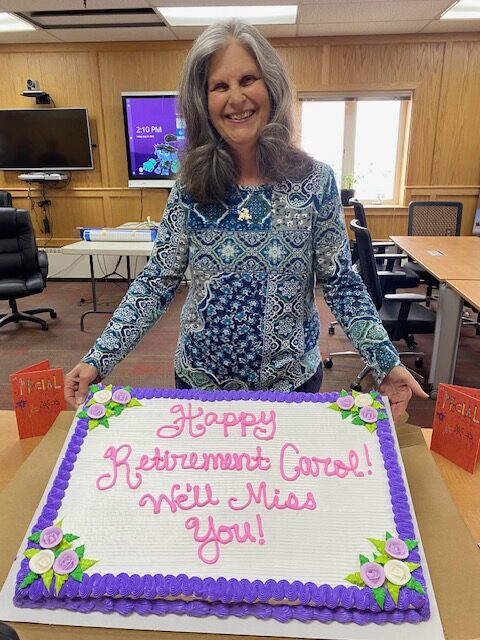
Shipe was offered a permanent teaching role after her time as a substitute, and with her husband’s support, she agreed to return to Teller to complete a full year of teaching.
That one year turned into a 15-year career with the Bering Strait School District.
Eight and a half of those years were spent in Teller as a teacher, then Shipe moved to the district office in Unalakleet to become the school district’s early learning facilitator. In that role, she supported teachers in each of the 15 schools across the school district, which spanned 80,000 square miles.
“I worked with early childhood education and elementary teachers who needed a hand in their classroom because it is a very difficult job,” she said. “And a lot of folks are not as prepared as we were coming from UW Bothell.”
Across her career in Alaska, Shipe said her proudest moment was seeing her first class of kindergartners graduate. She also still reflects on the fun she had fishing with her husband when he came to visit her, on walking to work in the cold with the Northern Lights shining overhead — and on being welcomed into Native communities.
A grateful look back
Shipe said her time at UW Bothell changed her life.
“It took me out of a job that was just a job and put me into something that was meant to be,” she said. “One of my mentors said to me once, ‘You teach like you breathe.’ And that is the highest compliment I’ve ever received.
“That’s what we should do in the jobs that we have. It should just be that natural,” she said. “What a blessing to find a job that’s like that for yourself.”